

A 21-year-old man from Itu, São Paulo, Brazil has died and his case is being examined as a potential mpox fatality, prompting renewed attention from health authorities. The patient was admitted to hospital on Saturday (29) and passed away hours later, leading officials to refer the body to the state’s Mortality Verification Service for diagnostic confirmation.
Local health officials emphasised that although the diagnosis is not yet confirmed, the incident reinforces the importance of vigilance, early testing and public awareness regarding mpox transmission.
Understanding Transmission Risks
According to Brazil’s Ministry of Health, mpox — caused by an Orthopoxvirus — spreads primarily through close contact with infected individuals. This includes skin-to-skin interaction, sexual contact, hugging, kissing or exposure to bodily fluids such as pus, blood or saliva, particularly when lesions are present.
Transmission can also occur indirectly via contaminated personal items, including bedding, towels, clothing and shared household objects. Healthcare professionals, family members and intimate partners are generally considered the most vulnerable in these circumstances.
Experts state that an infected individual remains contagious from the moment initial symptoms emerge — such as fever, fatigue, swollen lymph nodes and skin lesions — until every lesion has healed and new skin has formed.
Clinical Presentation and Symptoms
Mpox typically manifests with:
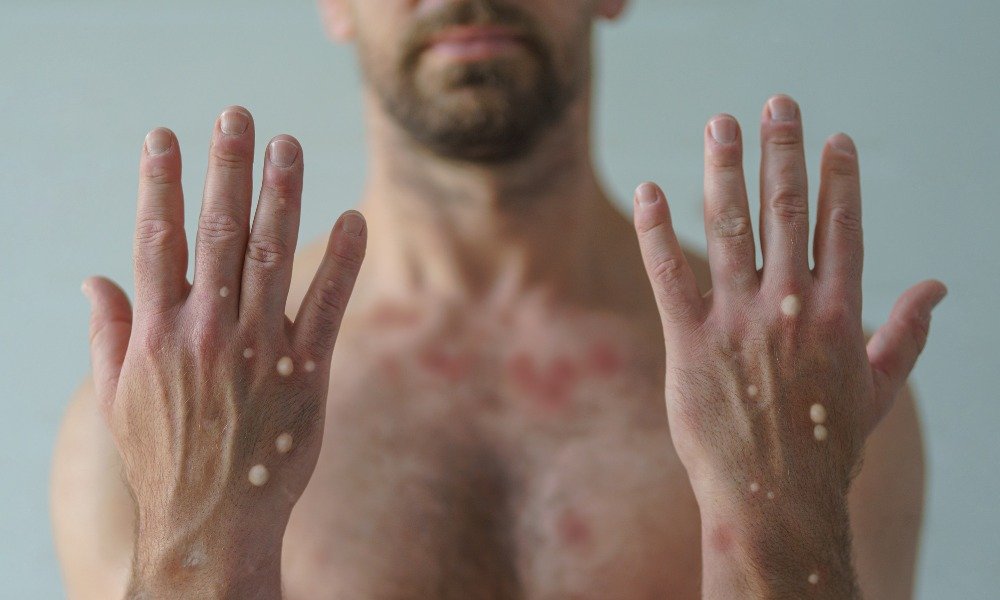
Skin rashes, blisters or ulcerated lesions that may appear on different areas of the body
Fever
Headache
Muscle aches
Swollen lymph nodes
Chills and general malaise
Because these signs resemble other infections, laboratory testing is essential to confirm suspected cases, especially those involving complications or fatalities.
Why the Case in Brazil Raises Concern
Although mpox fatalities remain uncommon, the death of a young adult in Brazil has heightened surveillance efforts. Investigating suspected fatal cases allows authorities to monitor circulation of the virus, track transmission routes and reinforce prevention strategies.
Health professionals reiterate that shared items and casual contact can facilitate spread, particularly when hygiene measures or protective barriers are insufficient.
Prevention and Public Guidance
To reduce transmission risks, health authorities advise:
Avoiding close physical contact with symptomatic individuals
Not sharing towels, bedding, clothing or utensils with someone suspected of infection
Practising frequent hand hygiene and cleaning surfaces or fabrics exposed to lesions
Seeking medical evaluation if unexplained skin lesions or flu-like symptoms appear, particularly following close contact with a possible case
While most mpox infections are mild, specialists warn that early detection, isolation and proper care play a crucial role in preventing severe outcomes — as illustrated by the ongoing investigation in Brazil.