

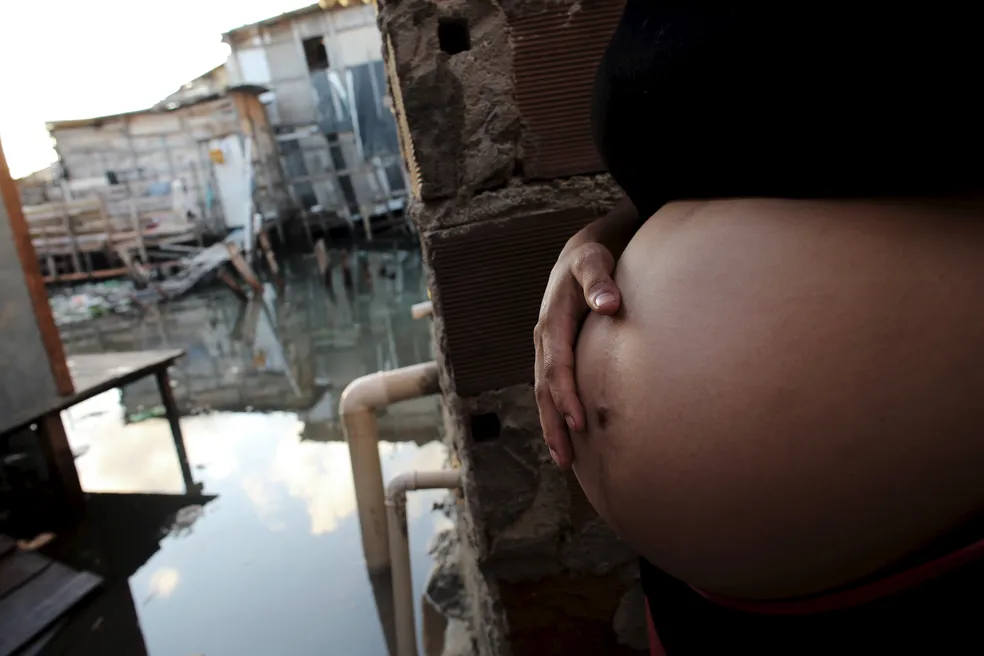
A new technical analysis led by the World Health Organization (WHO), in collaboration with the Human Reproduction Programme (HRP), has identified a stark association between maternal mortality and national fragility. The findings reveal that nearly two thirds of global maternal deaths occur in countries affected by armed conflict or institutional instability, despite these countries accounting for a relatively small proportion of global births.
In 2023 alone, an estimated 160,000 women died from preventable maternal causes in fragile and conflict-affected countries. The analysis demonstrates that women living in conflict-affected settings face a risk of maternal death approximately five times greater per pregnancy than their counterparts in more stable nations.
Disparities in Maternal Mortality Ratios
The report correlates the latest maternal mortality ratio (MMR) estimates with national classifications of conflict exposure and systemic fragility. Countries experiencing armed conflict recorded an estimated 504 maternal deaths per 100,000 live births. In states categorised as institutionally and socially fragile, the rate stood at 368 per 100,000 live births. By contrast, countries not classified under either category reported a significantly lower MMR of 99.
These figures reinforce earlier global estimates covering the period from 2000 to 2023, which indicated stagnation in progress towards reducing maternal deaths. Peer-reviewed studies published in journals such as The Lancet Global Health have similarly highlighted how health system disruption, displacement and weakened infrastructure undermine access to skilled birth attendance and emergency obstetric care.
Structural Instability and Barriers to Care
The analysis underscores how crisis environments erode the continuity of maternal healthcare services. Damage to facilities, shortages of skilled personnel, supply chain interruptions and insecurity collectively limit access to antenatal, intrapartum and postnatal care.
Risk disparities are particularly pronounced among adolescent girls. In 2023, a 15-year-old girl living in a conflict-affected country faced a lifetime risk of maternal death of 1 in 51. In socially fragile countries, the risk was estimated at 1 in 79, compared with 1 in 593 in relatively stable settings. Such inequities are compounded by intersecting factors including age, ethnicity, displacement status and socio-economic vulnerability.
Global health research consistently demonstrates that maternal mortality is closely linked to the availability of primary healthcare services, emergency obstetric capacity and reliable referral systems. Where these elements are compromised, preventable complications such as haemorrhage, sepsis and hypertensive disorders are more likely to prove fatal.
Country Experiences: Adaptive Responses in Crisis
The report presents case examples illustrating how frontline teams have sought to preserve maternal services despite instability.
In Colombia, strengthening collaboration with traditional midwives has improved trust and service continuity in remote or insecure areas. In Ethiopia, mobile health teams and the restoration of damaged facilities have helped re-establish essential maternal services following disruptions. Haiti has addressed financial and infrastructural barriers by facilitating low-cost or free caesarean sections and ensuring reliable electricity supplies for maternity units.
Experiences in Myanmar, Papua New Guinea and Ukraine further demonstrate that even in highly complex emergencies, targeted planning and the protection of essential obstetric services can mitigate maternal risk. Strategies have included reorganising patient flows to safer facilities, reinforcing respectful maternity care practices and strengthening subnational coordination mechanisms.
Aligning Data with Fragility for Targeted Action
By linking maternal mortality data with measures of national fragility, WHO and HRP have developed a more refined framework to identify priority areas for intervention. The report calls for sustained investment in primary healthcare to safeguard maternal services during crises, improved data collection in hard-to-reach settings and the development of resilient health systems capable of absorbing external shocks.
Evidence from global maternal health research consistently confirms that most maternal deaths are preventable with timely, high-quality care. However, in countries affected by conflict and fragility, systemic instability undermines the delivery of even basic services.
As international agencies and governments seek to accelerate progress towards reducing preventable maternal deaths, the findings highlight a clear imperative: strengthening health system resilience in conflict-affected countries is not only a humanitarian necessity but a fundamental requirement for safeguarding maternal health worldwide.