

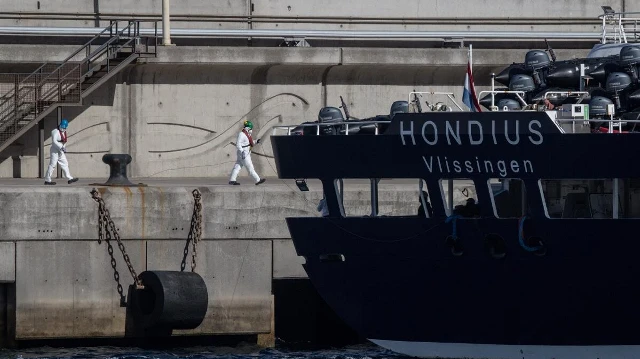

The World Health Organization (WHO) has stated that the hantavirus outbreak associated with the expedition cruise ship MV Hondius is not currently expected to expand substantially, although additional infections among passengers and close contacts remain possible. The incident has prompted an international public health response involving Spain, the Netherlands, and other countries connected to the passengers onboard.
According to information released by the WHO, multiple suspected infections have been linked to the outbreak, with the majority already confirmed through laboratory testing. All identified cases have reportedly been isolated and remain under medical supervision as authorities continue epidemiological monitoring.
The vessel, sailing under the Dutch flag, became the focus of international attention after several passengers developed symptoms consistent with hantavirus infection during the voyage. The outbreak resulted in fatalities, drawing concern due to the severity associated with the Andes strain of hantavirus, which differs from most variants because it has demonstrated limited human-to-human transmission in documented cases from South America.
The WHO explained that Spain played a central role in the emergency response after the outbreak exceeded the immediate healthcare capacity available near the vessel’s location in the Atlantic Ocean. Spanish authorities coordinated a multinational evacuation and quarantine operation involving passengers from several countries. Officials described the repatriation process as being completed without major operational incidents.
As part of containment measures, the WHO recommended a 42-day quarantine period for passengers and individuals identified as close contacts. Such measures are based on the known incubation period and transmission characteristics associated with the Andes hantavirus strain. Scientific studies have shown that, while person-to-person transmission is uncommon, prolonged close contact may facilitate spread under specific conditions (Martínez-Valdebenito et al., Viruses, 2014).
Health authorities in Europe have also initiated precautionary protocols involving healthcare workers who may have been exposed without full protective measures. Monitoring systems remain active to detect any new symptoms among potentially exposed individuals.
Hantavirus infections are primarily associated with exposure to infected rodents and contaminated environments. Symptoms may initially resemble influenza-like illness, including fever, fatigue, and muscle pain, but severe cases can progress rapidly to respiratory complications. The mortality rate for hantavirus pulmonary syndrome can be high, particularly among vulnerable individuals with underlying health conditions, according to the Centers for Disease Control and Prevention (CDC).
Despite concerns surrounding the outbreak, the WHO has stressed that there is currently no evidence suggesting uncontrolled spread aboard the vessel or internationally. Experts continue to emphasise that rapid isolation, contact tracing, and coordinated international cooperation remain critical tools in limiting transmission.
The response to the MV Hondius outbreak illustrates the complexity of managing infectious diseases in international travel settings and highlights the importance of global collaboration in public health emergencies.