

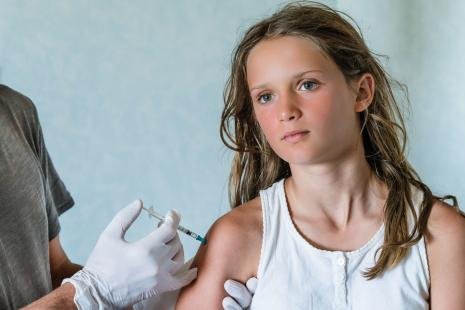
A recent statement from the World Health Organization (WHO) has definitively addressed persistent claims linking vaccines to autism spectrum disorders (ASD). The conclusion stems from a rigorous analysis conducted by the Global Advisory Committee on Vaccine Safety (GACVS), which reaffirms the absence of any causal relationship between vaccines and ASD.
Since the publication of a now-discredited study in The Lancet in 1998, which erroneously suggested a connection between childhood immunisations and autism, public concern has periodically resurged despite the study being formally retracted in 2010. The WHO’s latest review, published on 11 December 2025, draws upon evidence from 31 primary studies spanning 2010 to 2025, encompassing data from countries including Denmark, the United States, and the United Kingdom.
The committee’s evaluation encompassed conventional childhood vaccines, as well as specific concerns raised regarding thimerosal — an organic mercury-based preservative — and aluminium-based adjuvants, commonly used to enhance immunogenicity. The analysis incorporated a large Danish cohort study tracking children born between 1997 and 2018, alongside multiple international datasets. Across all reviewed research, no association between these vaccine components and the development of ASD was observed.
“This review consolidates decades of evidence demonstrating that vaccines are safe and do not contribute to autism,” stated a GACVS spokesperson. The findings align with prior committee evaluations conducted in 2002, 2004, and 2012, emphasising the enduring scientific consensus.
Health authorities worldwide are urged to communicate these findings effectively, particularly in light of persistent misinformation proliferating through social media channels. The WHO underscores that vaccination remains one of the most effective public health interventions, preventing millions of deaths globally. In the past fifty years, vaccines have saved an estimated 154 million lives, highlighting their critical role in maintaining population health.
By reinforcing evidence-based immunisation policies, countries can continue to protect children and vulnerable populations from vaccine-preventable diseases while dispelling myths that undermine public trust in healthcare systems.