

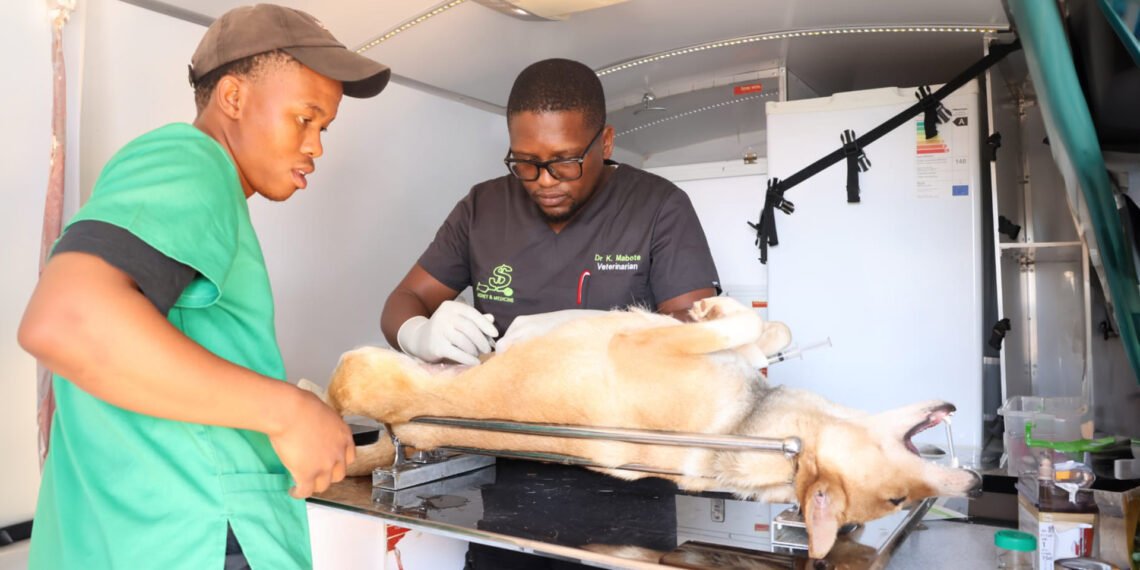

South Africa presents a unique and complex environment for veterinary medicine, where professionals must address the health needs of both companion animals and large livestock populations within a diverse and often challenging epidemiological landscape. Veterinary services in the country are deeply interconnected with public health, agriculture and economic stability.
One of the primary responsibilities of veterinarians in South Africa is the control and prevention of zoonotic diseases—those that can be transmitted between animals and humans. Diseases such as rabies, bovine tuberculosis and avian influenza require constant surveillance and coordinated response efforts between veterinary and public health authorities.
In rural areas, veterinary professionals play a vital role in supporting livestock health, which is essential for food security and local economies. Preventive measures, including vaccination programmes and disease monitoring, are critical in maintaining herd health and preventing outbreaks that could have widespread consequences.
Urban veterinary care is also evolving, with increasing demand for companion animal services, including advanced diagnostics and specialised treatments. Clinics in major cities such as Johannesburg and Cape Town are adopting modern technologies similar to those used in developed countries.
However, challenges remain, particularly in terms of resource allocation, infrastructure and access to services in remote regions. Veterinary professionals often operate under constraints that require innovative and adaptive approaches to care.
South Africa’s veterinary sector highlights the essential role of animal health in broader public health systems, reinforcing the importance of integrated approaches such as the “One Health” framework