

Uterine fibroids, non-cancerous growths arising from the muscular wall of the uterus, present a significant reproductive health challenge worldwide, with prevalence estimates reaching up to 70–80% of women by the age of 50. In Kenya, these benign tumours disproportionately affect women of African descent, who often experience delayed diagnosis, limited treatment options, and considerable impact on fertility and quality of life.
The Silent Burden
For many women, fibroids remain a source of hidden suffering. Ada Zillah, a Kenyan project manager, lived with fibroids for nearly four years, enduring heavy menstrual bleeding, abdominal discomfort, and concerns about her future fertility. Initially managing her symptoms with analgesics and menstrual products, Ada avoided surgical intervention due to fears over potential complications and the risk to her reproductive potential. Her experience reflects a broader pattern, where limited public awareness and insufficient access to specialised care leave women navigating difficult decisions largely in isolation.
In 2023, global attention briefly focused on the condition when Oscar-winning actress Lupita Nyong’o disclosed her decade-long struggle with fibroids, highlighting the need for research, early detection, and effective treatments. Yet, for every high-profile story, millions of women in Kenya and beyond continue to face the challenges quietly.
Understanding Fibroids and Their Effects
Fibroids can develop in various locations within or around the uterus: intramural (within the uterine wall), submucosal (projecting into the uterine cavity), or subserosal (extending outward into the pelvis). While the precise cause remains unclear, hormonal influences, particularly oestrogen and progesterone, and genetic predisposition are recognised factors. Fibroids often grow during reproductive years, may enlarge rapidly during pregnancy, and generally regress after menopause.
Dr Naushad Karim, interventional radiologist at the Aga Khan University Hospital, explains that fibroids can lead to significant complications, including infertility, miscarriage, and chronic anaemia due to prolonged or heavy menstrual bleeding. Women frequently confront the dilemma of balancing symptom management with the desire to preserve fertility, often delaying treatment out of fear or lack of information.
Challenges in Accessing Care in Kenya
Conventional treatment options in Kenya include observation for mild cases, hormonal therapy to control symptoms, surgical myomectomy to remove fibroids while preserving the uterus, or hysterectomy for more severe cases. However, access to fertility-preserving procedures is limited, and cultural or financial barriers can exacerbate the burden. As Ada recounts, she consulted multiple specialists over several years, yet the risk of complications and the impact on her reproductive potential made her hesitant to proceed with surgery.
Innovative Non-Invasive Treatments
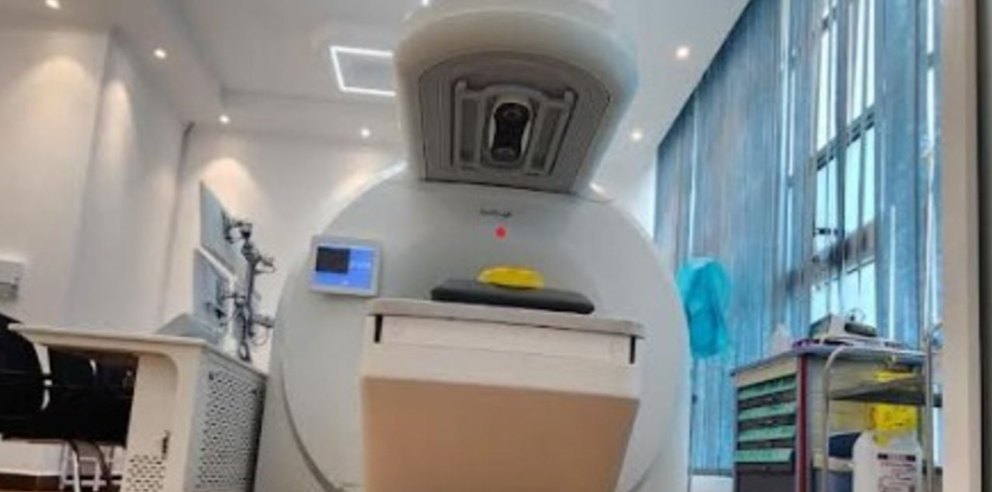
High-Intensity Focused Ultrasound (HIFU) has emerged as a promising alternative for women wishing to retain fertility. This non-invasive procedure uses targeted ultrasound waves to ablate fibroid tissue while leaving the surrounding uterus intact. Dr Mugambi Jackline, obstetrician and gynaecologist at the HIFU Treatment Centre in Nairobi, notes that patients typically experience rapid symptom relief, with minimal side effects such as mild fatigue or transient bleeding.
Ada’s experience illustrates the potential of HIFU: within three months, her largest fibroid had shrunk by approximately 90–95%, and her symptoms—including heavy bleeding, clotting, and pain—substantially improved. Importantly, the procedure preserved her fertility, offering hope for future family planning.
Barriers and the Path Forward
Despite its benefits, the high cost of HIFU, approximately 500,000 Kenyan shillings, and limited insurance coverage restrict widespread access. Public health authorities in Kenya have yet to endorse HIFU as a standard treatment, citing the need for further clinical evaluation.
Experts emphasise that addressing fibroids requires a holistic approach, integrating patient education, emotional support, and improved accessibility to both conventional and innovative therapies. Mental health professionals, such as Margaret Kamau, highlight the importance of psychoeducation to reduce stress, anxiety, and the stigma often associated with reproductive health conditions.
Conclusion
Fibroids represent a substantial but often overlooked health concern for Kenyan women, with significant implications for fertility, physical well-being, and quality of life. Increased awareness, access to innovative treatments like HIFU, and comprehensive patient support are essential to empower women to make informed decisions. Ada Zillah’s journey underscores both the challenges and the hope available when effective, fertility-preserving interventions are accessible.