


A growing body of international research is reinforcing a major public health message: a substantial proportion of cancer cases may be preventable through risk reduction strategies. Recent findings published in a leading scientific journal, drawing on data analysed by global cancer researchers, suggest that modifiable exposures continue to play a major role in cancer incidence worldwide.
According to the analysis, millions of cancer cases each year may be linked to preventable factors, underscoring the potential impact of public health interventions focused on lifestyle, environmental exposures and infection control. Researchers estimate that a significant share of global cancer diagnoses is associated with risk factors that can, at least in part, be reduced.
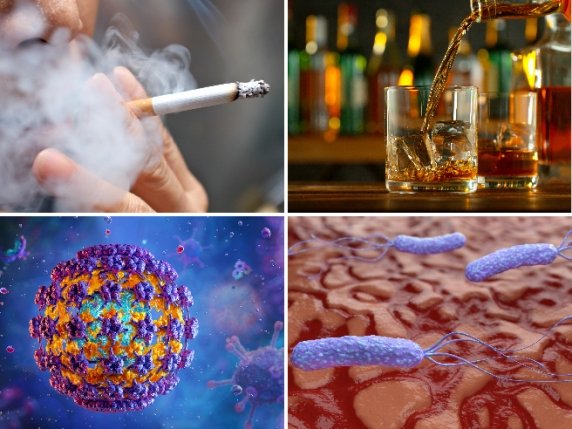
Among the most influential contributors identified were tobacco use, certain infections and alcohol consumption. Smoking remains one of the most well-established causes of preventable cancer, associated with malignancies affecting not only the lungs but also the mouth, throat, bladder and several other organs. The World Health Organization has consistently identified tobacco as one of the leading avoidable causes of cancer mortality worldwide.
Infectious agents also represent a significant component of preventable cancer burden. Viruses and bacteria such as human papillomavirus (HPV), hepatitis viruses and Helicobacter pylori have all been linked to specific cancers, including cervical, liver and gastric cancers. Importantly, some of these risks can be reduced through vaccination, screening and treatment strategies, highlighting the intersection between infectious disease control and cancer prevention.
Alcohol consumption was also identified as a relevant modifiable factor. Scientific evidence has linked alcohol exposure to increased risk of several cancers, including breast, liver and colorectal cancer, with risk influenced by both quantity and long-term consumption patterns (International Agency for Research on Cancer, 2024).
Researchers also emphasised that preventable cancer risk extends beyond these factors. Obesity, physical inactivity, ultraviolet radiation, air pollution and occupational exposures were among additional contributors identified in the broader analysis. Many of these risks are shaped not only by personal choices but also by social, environmental and policy conditions.
Experts note that prevention remains one of the most powerful yet sometimes underused tools in cancer control. While advances in diagnosis and treatment have improved outcomes, reducing exposure to avoidable risk factors may help lower disease burden before cancer develops.
The findings also highlight regional and demographic differences in cancer risk patterns. In some populations, infection-related cancers represent a larger share of preventable cases, while in others tobacco use, obesity or environmental exposures may have greater influence. Such differences underscore the need for prevention strategies tailored to population-specific risks.
In countries such as the United Kingdom, cancer prevention programmes increasingly integrate multiple approaches, including tobacco control policies, vaccination campaigns, screening initiatives and public education on healthy lifestyles. These measures reflect a growing recognition that cancer prevention extends well beyond clinical settings.
Researchers caution that not all cancers are preventable, as ageing, genetic predisposition and other non-modifiable factors also contribute to disease risk. However, the evidence suggests that reducing exposure to known risk factors could have a meaningful impact on incidence at a population level.
With global cancer rates projected to rise in coming decades, experts argue that prevention must remain central to public health planning. The latest findings reinforce a consistent scientific message: many cancers may not be inevitable, and sustained investment in prevention could play a crucial role in reducing future disease burden.