

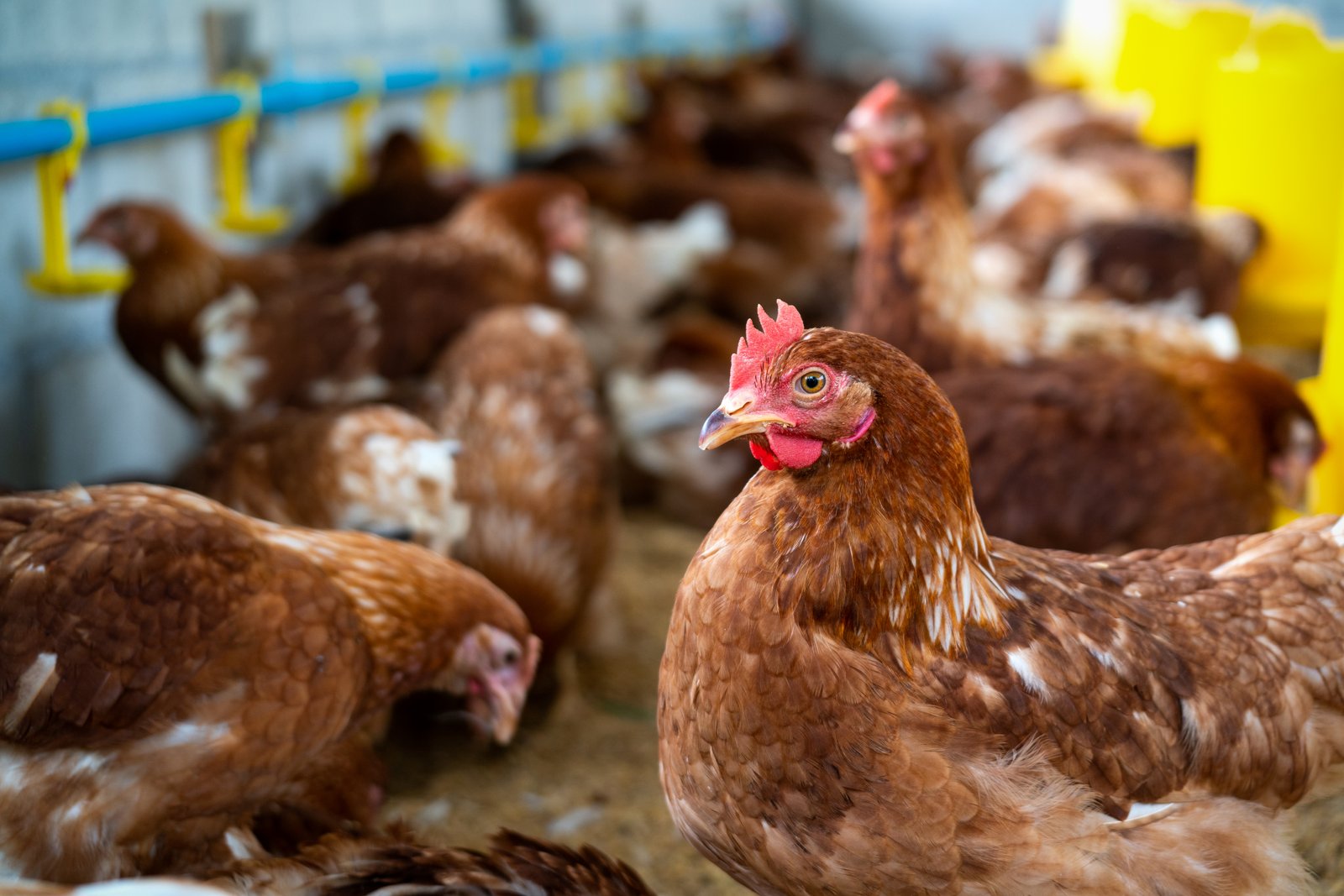
Health officials in the United States have confirmed the first known human death worldwide caused by the H5N5 subtype of avian influenza, marking a significant development in the global monitoring of bird-flu variants. The case was reported in Washington State, where an elderly resident with underlying medical issues succumbed to the infection after being admitted to hospital earlier this month.
Rare Strain Detected in Humans for the First Time
According to state health authorities, laboratory analyses performed by the University of Washington identified the presence of the H5N5 avian influenza virus, a strain not previously detected in humans. The confirmation was later validated by the US Centres for Disease Control and Prevention (CDC), which classified it as the first documented human infection involving this specific subtype.
Officials emphasised that the general population remains at low risk, as current investigations show no evidence of human-to-human transmission. The patient reportedly kept a backyard flock, which is considered the most plausible source of exposure, consistent with known transmission patterns of avian influenza.
Context Within the United States and Global Data
The United States has recorded over 70 human cases of avian influenza this year, according to CDC monitoring data. Globally, the World Health Organization (WHO) has documented more than 1,000 confirmed human infections across 25 countries since 2003, involving multiple avian influenza subtypes, including H5N1, H7N9, and others.
Although H5N5 has circulated among wild birds and poultry in various regions for years, its appearance in a human host represents a significant epidemiological milestone. The WHO previously noted that zoonotic influenza viruses can occasionally infect humans, typically after direct contact with infected birds.
Scientific Understanding of H5 Viruses
Research published in journals such as The Lancet Infectious Diseases and Emerging Infectious Diseases has documented the ability of H5-family influenza viruses to mutate while circulating in birds, sometimes leading to spillover events in humans. These infections tend to be severe, particularly in individuals with pre-existing medical conditions, as was the case in the incident reported in the United States.
However, experts continue to underline that sustained transmission between people remains rare, and most cases result from direct or indirect contact with infected poultry.
Public Health Guidance
Authorities in the United States reiterate that the risk to the wider community remains minimal. Nevertheless, both national and international health agencies recommend avoiding contact with sick or dead birds and reporting unusual animal deaths promptly to local agricultural or veterinary authorities.
This unprecedented fatality involving the H5N5 strain highlights the need for ongoing surveillance as avian influenza viruses continue to evolve, particularly in countries where domestic bird-keeping is common.