

Chikungunya, a mosquito-transmitted virus capable of causing severe joint pain and neurological complications, is increasingly recognised as a significant public health challenge in East Africa. First identified in Tanzania in 1952, the virus derives its name from the Makonde word meaning “to become contorted,” reflecting the severe joint discomfort it can induce. While global attention has often focused on outbreaks such as Zika, the East African region has quietly experienced its own viral burden.
A Silent Crisis in Kenya
In Kilifi County, along Kenya’s coast, researchers observed a concerning pattern among hospitalised infants presenting with neurological symptoms in 2016. Professor George Warimwe and his team initially investigated Zika virus, but test results were negative. Subsequent analysis revealed that roughly 10% of these children were infected with Chikungunya, including cases suggesting in utero transmission. The findings highlighted a largely unrecognised public health issue at a time when international focus was elsewhere.
Over the past decade, Kenya has strengthened its disease surveillance systems, leading to the identification of more than 600 Chikungunya cases this year alone, predominantly in Mombasa and the surrounding coastal regions. However, these numbers likely underestimate the true burden, as symptoms such as fever and joint pain often mimic malaria and dengue, leading to misdiagnoses. Limited access to diagnostic testing further complicates efforts to map the virus accurately.
Expanding Surveillance and Research
To address this knowledge gap, the Accelerating Chikungunya Burden Estimation to Inform Vaccine Evaluation (ACHIEVE) programme has been launched in Kenya and Tanzania. Funded with up to US$10.3 million by the Coalition for Epidemic Preparedness Innovations (CEPI), the initiative aims to monitor Chikungunya infections, particularly among pregnant women, and to assess maternal-fetal transmission.
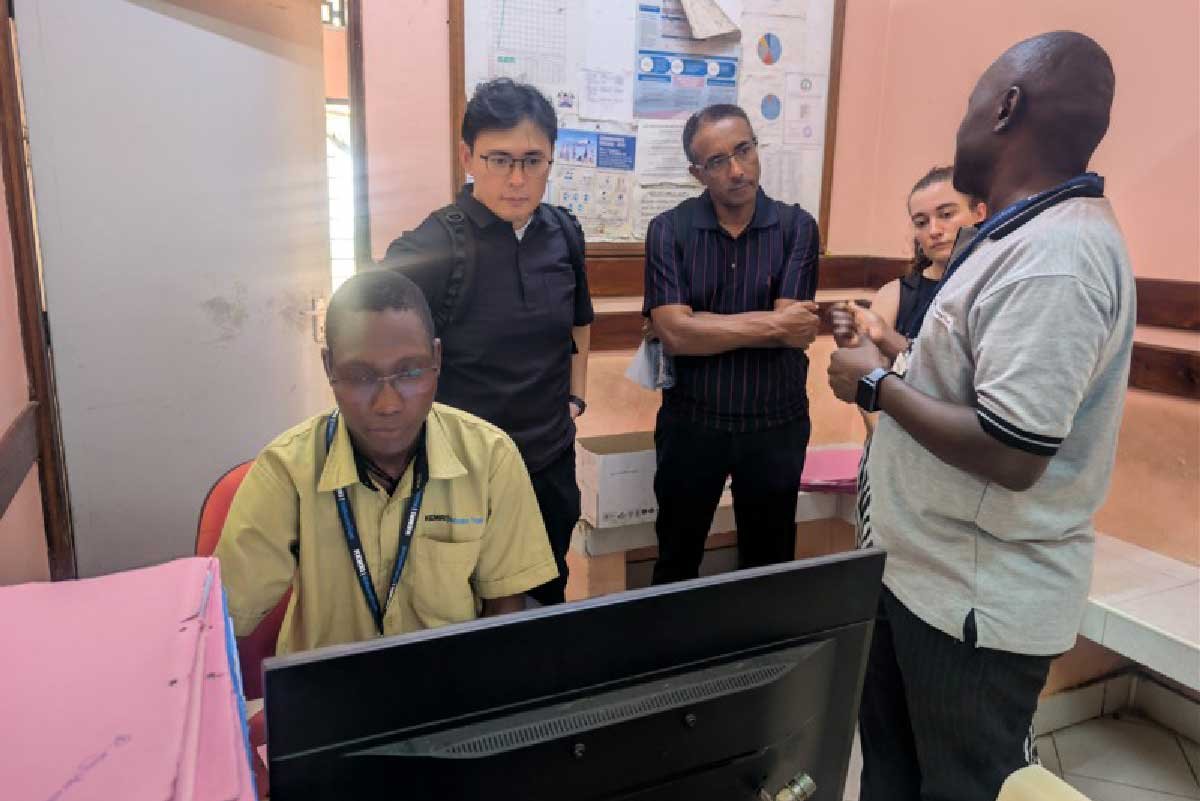
The programme involves healthcare professionals across ten hospitals and clinics, ranging from urban centres to rural communities, who are trained to identify febrile and neurological cases potentially linked to Chikungunya. Data gathered will inform early detection strategies, treatment guidelines, and the design of future vaccine trials, including prioritisation of high-risk groups such as children and expectant mothers.
Understanding the Broader Impact
Chikungunya’s impact extends beyond clinical symptoms. Persistent joint pain can render everyday activities, including walking and work, intolerable for months or even years. In children, infections can lead to impaired cognitive development and neurological deficits. The virus also exerts economic pressure on healthcare systems and communities, particularly where outbreaks are recurrent.
Climate change is further complicating control efforts. Rising temperatures and increased humidity create favourable conditions for mosquito proliferation, expanding the geographic range of the virus. As Gabrielle Breugelmans, Director of Epidemiology and Data Science at CEPI, notes, “Today’s Chikungunya hotspots may not be tomorrow’s, underscoring the need for continuous surveillance and adaptive public health strategies.”
Collaborative Efforts in East Africa
The ACHIEVE project represents a collaborative approach, involving the University of Oxford, the University of Nairobi, the Kenya Medical Research Institute (KEMRI) – Centre for Global Health Research, the KEMRI-Wellcome Trust Research Programme, and the Ifakara Health Institute in Tanzania. Over a two-year period, researchers will track infections among febrile patients and pregnant women, enabling a comprehensive understanding of the virus’s spread, seasonal variations, and long-term health effects.
Professor Warimwe emphasises the programme’s potential to save lives: “By understanding the true burden of Chikungunya in East Africa, we can implement targeted preventive measures and provide timely care to those most affected, particularly vulnerable children and pregnant women.”
Conclusion
Chikungunya remains a largely underestimated yet debilitating virus in East Africa. Through initiatives like ACHIEVE, Kenya and Tanzania are taking vital steps to illuminate the scope of the disease, improve early detection, and inform vaccine development. These efforts promise not only to alleviate suffering but also to strengthen regional preparedness against emerging mosquito-borne infections.