

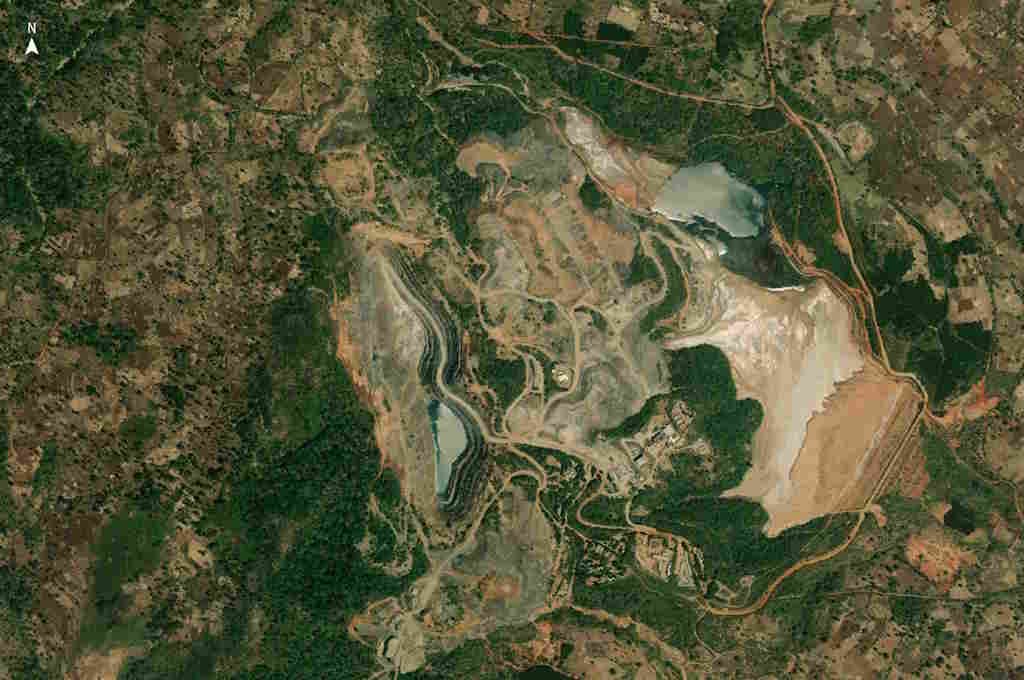
Serious public health concerns have emerged in Ethiopia following renewed calls by Human Rights Watch (HRW) for the suspension of operations at the Lega Dembi gold mine. The organisation has urged the United Nations Committee on the Rights of the Child to press Ethiopian authorities to halt mining activities, citing evidence of hazardous exposure to toxic metals among nearby communities, with children identified as the most vulnerable group.
Lega Dembi, the largest gold mine in Ethiopia, is located approximately 500 kilometres south of Addis Ababa and plays a significant role in the national economy. However, its operations have long been surrounded by controversy. Mining activities were suspended in 2018 after sustained public protests linked environmental pollution to adverse health outcomes. At the time, the government pledged that extraction would only resume once robust environmental safeguards were in place.
According to HRW, the mine resumed operations in 2021 without public notification, raising concerns about transparency and regulatory oversight. The organisation also reports that the publication of a government-commissioned health assessment was reportedly halted, further limiting public access to information regarding environmental and health impacts in the region.
Independent investigations referenced by HRW have detected elevated concentrations of heavy metals, including cadmium, mercury, lead and arsenic, in the surrounding environment. Scientific literature has consistently associated exposure to these substances with neurological impairment, developmental disorders and complications during pregnancy, particularly in children. The cumulative nature of such toxins increases the risk of long-term harm, even at relatively low levels of exposure.
Residents living near the mining area have repeatedly reported patterns of miscarriages and children born with chronic health conditions. While causality requires comprehensive epidemiological studies, HRW argues that the consistency of these accounts, combined with environmental findings, warrants immediate precautionary action to protect public health.
In response, the organisation has called on the UN committee to urge Ethiopian authorities to suspend mining activities at Lega Dembi until environmental safety can be independently verified. HRW also advocates for access to medical care, compensation and judicial remedies for affected individuals, stressing that children’s right to health and development must take precedence.
The situation highlights a broader dilemma faced by Ethiopia, where economic pressures intersect with public health and human rights. Gold exports are a critical source of foreign revenue for the country, generating approximately USD 2.1 billion in the first nine months of 2024, according to figures from the Ministry of Mines. This economic reliance complicates decisions around mine closures, despite mounting health concerns.
As international scrutiny intensifies, the case of Lega Dembi underscores the ongoing challenge of balancing economic development with environmental protection and population health. For communities living in the mine’s shadow, the debate remains deeply personal, as national prosperity continues to be weighed against the long-term health of their children.