


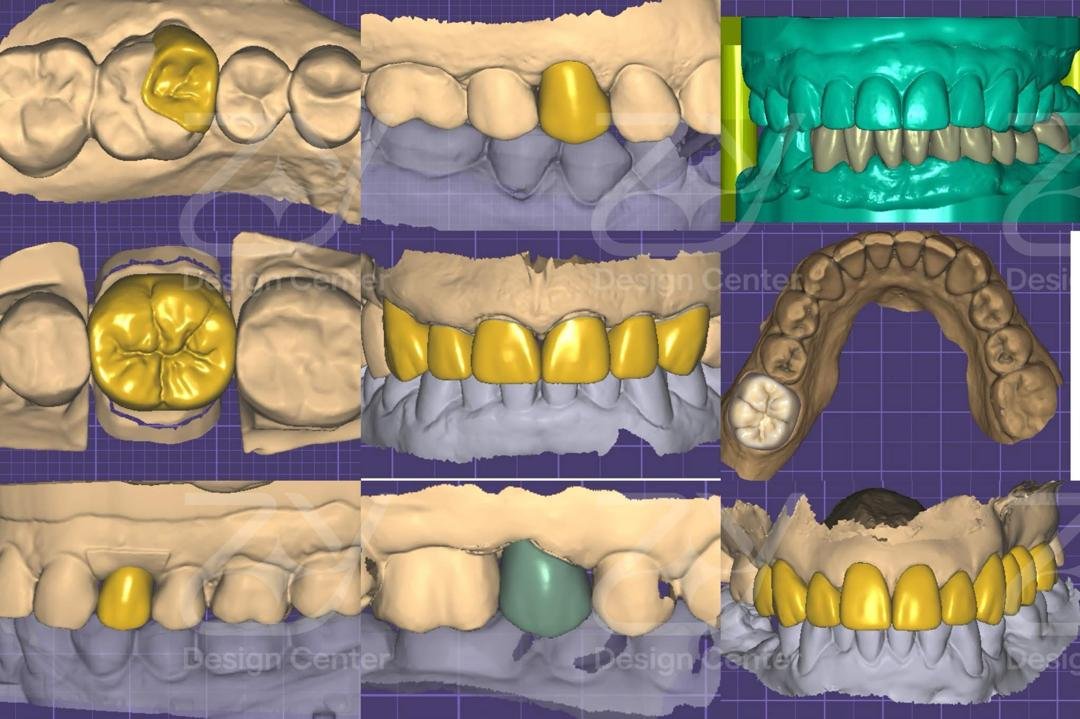
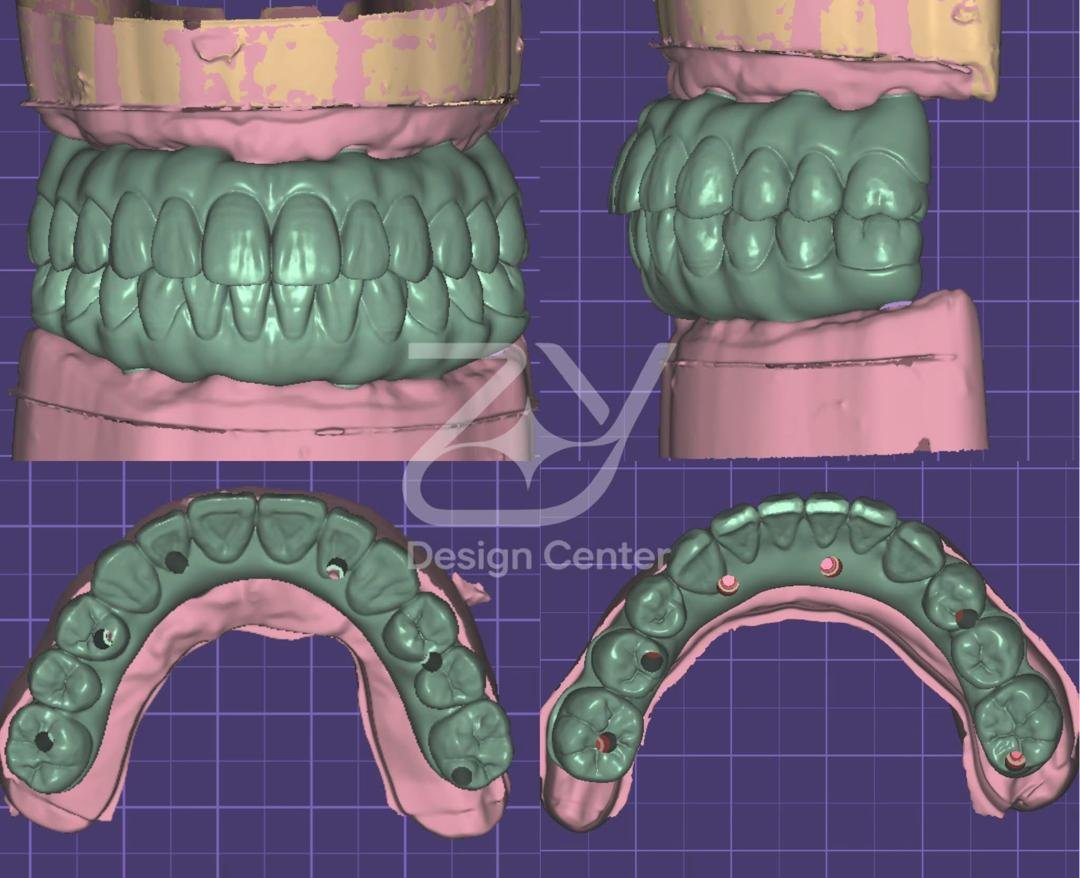
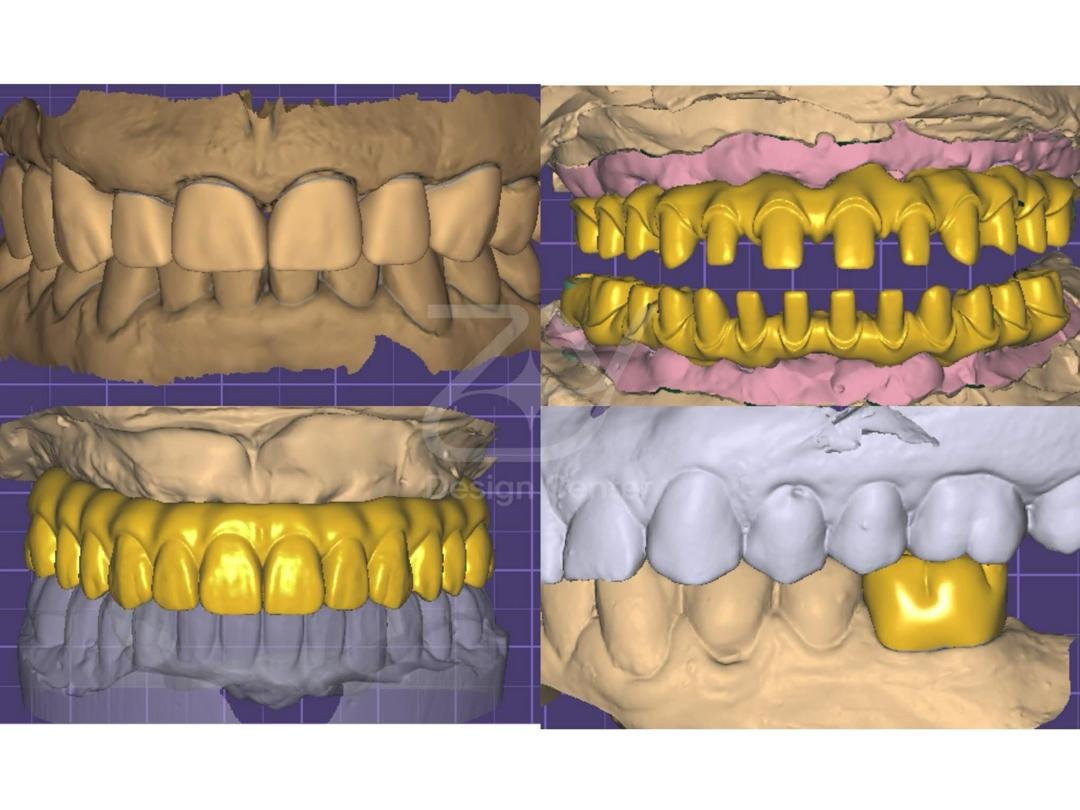
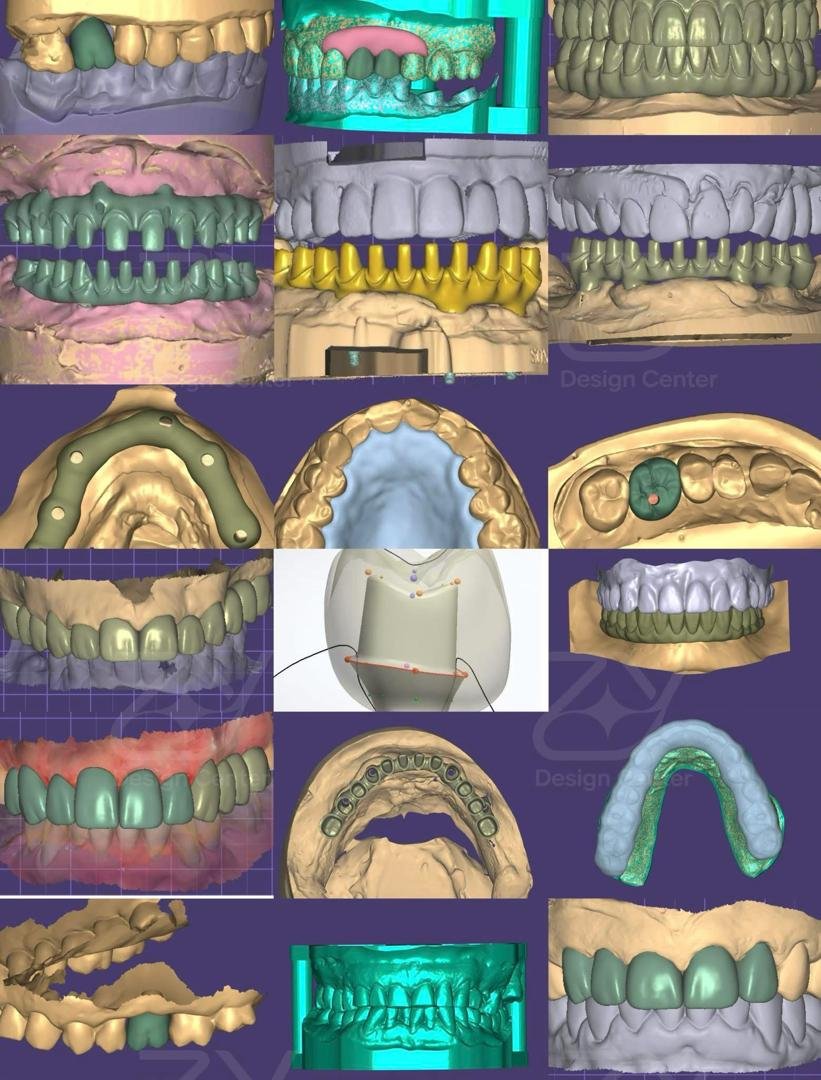

Walk into an advanced dental clinic in Munich, Manchester, or Melbourne, and the procedure unfolding in the chair may well have been designed thousands of miles away, in a studio in Shenzhen. Whilst patients recline under bright lights, a parallel digital workflow is quietly humming: intraoral scans travel across the internet, are processed by specialist software, and return as precise restorations ready for manufacture.
This is the world Mandy Cheung inhabits. A digital dental designer with thirteen years of experience at ZY Design Centre in Shenzhen, she sits at the intersection of advanced CAD/CAM technology and a global appetite for precision aesthetics. Her clients span a dozen countries across Europe and the Americas. We sat down with her to understand how this industry works, why Asia has led its adoption, and what holds back much of the world from embracing it fully.
Mandy Cheung
Digital Dental Designer · ZY Design Centre, Shenzhen, China · 13 years' experience
Part one · who she is & who she serves
Q: Mandy, could you begin by introducing yourself and the work you do at ZY Design Centre?
A: My name is Mandy Cheung, and I work at ZY Design Centre here in Shenzhen, where I specialise in digital dental design. I have been in this field for thirteen years now. Our centre works with more than a dozen countries, and our farthest market is the United States, which still feels remarkable when I think about it. A case comes in from a clinic in California, we design the restoration overnight, and it is ready for milling by the time the dentist arrives the next morning.
Q: Which international markets have been the most significant for your practice?
A: In Europe, our top three partners are in Germany, the United Kingdom, and Italy. In the Americas, it is the United States, Canada, and Australia. These are markets where digital dentistry has genuinely matured. Dentists there pursue high aesthetics and precision as standard, and they are entirely comfortable paying for premium remote design services. Their clinics already have robust digital workflows in place, so the cooperation is very smooth, there is rarely a translation problem, whether technical or linguistic.
"These are markets where digital dentistry has genuinely matured. Dentists pursue high aesthetics and precision as standard and they are comfortable paying for premium remote design." — Mandy Cheung, ZY Design Centre
Part two · the digital shift
Q: How has the shift from traditional to digital workflows changed the day-to-day reality of your studio?
A: The transformation has been enormous. Our workflow has fully moved away from traditional manual design to entirely digital processes. Efficiency has improved beyond what I could have predicted. Manual work was time-consuming and output was low, you were limited by the number of hands and hours available. Now, with digital design tools, our team handles between two hundred and three hundred cases per day. The entire process is also far more standardised, which matters enormously when you are supplying clinics that need consistency across multiple patients and multiple visits.
Q: And what does that mean in practice for the clinics you partner with?
A: The benefits are tangible and immediate. Our partner clinics see faster turnaround times, much lower remake rates, higher treatment predictability, and measurably better patient satisfaction. When a restoration fits correctly the first time, everyone wins the patient is not recalled, the dentist's time is not wasted, and the clinic's reputation benefits. The reduced remake rate alone justifies the investment in digital workflows for most practices we work with.
Part three · barriers to global adoption
Q: Despite these clear advantages, digital dentistry has not been adopted uniformly around the world. From your vantage point, what are the main obstacles?
A: I believe there are four principal reasons. First, the cost of equipment remains high, particularly outside China. Second, regulatory approval processes for digital dental devices can be extraordinarily complicated in some regions, getting a new scanner or software platform certified takes years. Third, professional training in digital techniques is simply insufficient in many countries; dental schools have not yet embedded this into their curricula meaningfully. And finally, there are traditional, conservative mindsets in some regions, where dentists who trained manually are reluctant to change a workflow that in their experience still functions.
Q: You mentioned equipment costs specifically. How does the pricing disparity play out between China and markets like Latin America?
A: It is stark. Dental equipment manufactured in China is cost-effective and genuinely affordable when purchased domestically. But in Latin American markets, Brazil, Mexico, Argentina by the time you add import taxes, additional fees, and logistics costs, the same equipment can cost two to three times the original price. That level of cost creates a significant barrier to entry, and it directly reduces local dentists' ability to compete globally. It is not that the desire or the skill is absent; it is that the economics make the initial investment very difficult to justify.
"By the time you add import taxes, fees, and logistics, equipment that is affordable in China can cost two to three times as much in Latin America. The economics make the initial investment very difficult to justify." — Mandy Cheung, ZY Design Centre
Part four · the path forward
Q: If you were advising a dental clinic in an emerging market that wanted to begin this journey, where would you tell them to start?
A: The most practical first step is to adopt an intraoral scanner. This gives you standardised scan data the foundation of everything else. From there, you partner with a professional remote digital dental design team, such as ourselves, to handle the design work. You then gradually build a full digital workflow as your confidence and volume grow. You do not need to invest in every piece of technology simultaneously. Start with the scanner, establish the digital impression habit, and the rest follows naturally.
Q: And ultimately, what does all of this mean for the patient sitting in the chair?
A: From the patient's perspective, the difference is profound. Digital treatment delivers more natural aesthetics, restorations look and feel as they should. Treatment time is shorter. Patients can see a clear preview of their final result before any irreversible work is carried out, which reduces anxiety considerably and improves consent conversations. Treatment predictability is higher, so there are fewer surprises. And the overall medical experience is simply much better. I think about this quite often, actually that the work we do in Shenzhen ends up improving how someone in London or Frankfurt feels about their smile. That is not a small thing.
"Patients can see a clear preview of their final result before any irreversible work is carried out. Treatment predictability is higher, and the overall experience is simply much better." — Mandy Cheung, ZY Design Centre
The Future Is Already Being Designed — Just Not Always Locally
As our conversation with Mandy Cheung draws to a close, one thing becomes unmistakably clear: the digital transformation of dentistry is not a future event on a roadmap. It is happening now, in studios like hers, processing hundreds of cases a day for clinics on multiple continents. The question for markets still on the periphery of this shift is not whether to join, but how quickly they can afford to.
Shenzhen's rise as a global hub for dental design is no accident. Decades of investment in manufacturing infrastructure, a dense ecosystem of suppliers, and a culture of relentless process optimisation have produced conditions in which digital dental workflows can thrive at scale. The city that built the world's electronics now quietly designs a significant portion of its smiles.
"The question for markets still on the periphery of this shift is not whether to join — but how quickly they can afford to." — HealthNews.Today analysis
For patients, the implications are largely positive. Greater access to precision restorations, shorter treatment times, and the ability to visualise outcomes before committing to irreversible procedures represent a meaningful leap in the quality of dental care. As remote design services become more commonplace and intraoral scanners more affordable, the geographic barriers that once defined access to high-end dentistry are steadily eroding.
What Mandy describes is, in essence, a new kind of globalisation, not of goods shipped in containers, but of expertise transmitted as data. A clinic in São Paulo, Lagos, or Lisbon need not wait for local infrastructure to mature fully before offering its patients the same precision available in Frankfurt or New York. The design can travel; the expertise can be shared.
Key takeaways from this interview
Digital dental design studios in China are already serving mature markets in Europe and North America, processing up to 300 cases per day with standardised, remote workflows.
The transition from manual to digital methods dramatically reduces remake rates and improves treatment predictability directly benefiting both clinics and patients.
High equipment costs, complex regulations, insufficient training, and conservative mindsets remain the principal barriers to adoption in emerging markets.
The most accessible entry point for any clinic is the intraoral scanner a single investment that unlocks access to a global remote design ecosystem.
For patients, digital dentistry means better aesthetics, shorter chair time, predictable outcomes, and the ability to preview results before treatment begins.