

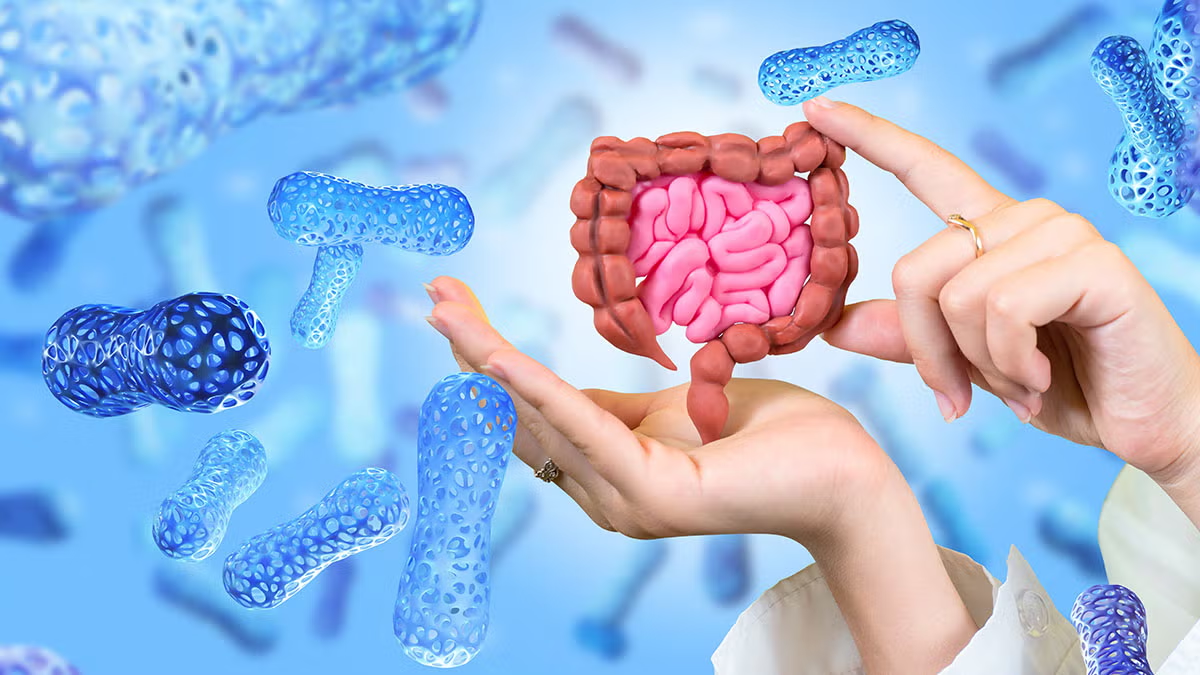

The relationship between gut microbiota and mental health has become one of the most rapidly expanding fields in modern biomedical research. Studies conducted in countries such as Germany, Japan, Canada and the United Kingdom are increasingly focusing on the gut-brain axis — a complex communication network linking the gastrointestinal system with the central nervous system.
Scientific evidence suggests that the gut microbiome plays a significant role in regulating immune responses, metabolic processes and even neurotransmitter production. Notably, approximately 90% of the body’s serotonin — a neurotransmitter closely associated with mood regulation — is produced in the gastrointestinal tract.
Disruptions to the gut microbiome, often caused by antibiotic use, poor dietary habits or chronic illness, have been linked to mental health disorders, including depression, anxiety and even neurodevelopmental conditions. Researchers in Germany and Canada have begun exploring the use of “psychobiotics”, a class of probiotics designed to positively influence mental health outcomes.
In Japan, traditional diets rich in fermented foods such as miso and natto have been associated with beneficial microbiome profiles, although causation remains under investigation. Meanwhile, clinical trials in the United Kingdom are examining whether microbiome-targeted therapies can complement conventional psychiatric treatments, including antidepressant medications.
Despite promising findings, experts caution that the field is still in its early stages. Variability in individual microbiomes and the complexity of mental health disorders present significant challenges for clinical application. Large-scale, longitudinal studies are required to establish clear causal relationships and effective therapeutic protocols.
Nevertheless, the microbiome revolution represents a paradigm shift in understanding human health, suggesting that mental wellbeing may be influenced not only by the brain, but also by the trillions of microorganisms residing within the human body.