

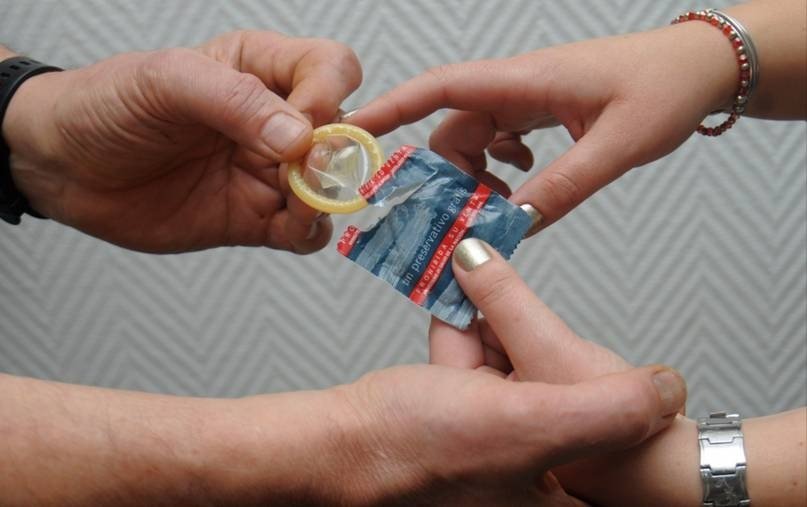
Health officials in Argentina have raised concerns following a continued increase in syphilis diagnoses nationwide, with 2025 marking the highest number of reported cases in the past five years. The upward trajectory is also evident in the city of Bahía Blanca, where local data reflect a substantial escalation compared with figures recorded in 2020.
According to Argentina’s National Epidemiological Bulletin, 55,183 confirmed cases of syphilis were registered across the country in 2025. While some publications cite slightly lower totals — approximately 46,000 confirmed diagnoses within a broader pool of notifications — health authorities attribute the variation to routine data validation processes. Regardless of the precise figure, the overall pattern indicates a sustained and significant rise.
Regional Impact in South-West Buenos Aires Province
Within Bahía Blanca, located in the south-west of Buenos Aires Province, official statistics from Regional Health District I show that 699 cases were reported in 2025. This represents an increase of nearly 677% compared with 2020, when 90 cases were recorded. Although the number remained broadly stable compared with 2024, officials suggest this stabilisation reflects consolidation at a persistently elevated level rather than improvement.
Regional Health District I encompasses a wide geographic area that includes municipalities such as Adolfo Alsina, Coronel Rosales, Coronel Suárez, Tres Arroyos, Monte Hermoso, Villarino and Patagones, highlighting the broader territorial scope of the public health challenge.
Local epidemiologist Jorgelina Scuffi has indicated that syphilis is part of a wider rise in sexually transmitted infections (STIs), including HIV, gonorrhoea and herpes. She also noted that underreporting remains a concern, particularly in cases diagnosed within private healthcare settings.
Young Adults Most Affected
The epidemiological profile in Argentina shows that the majority of diagnoses occur among adults aged between 25 and 35, although cases are reported across all age groups. Health specialists attribute the trend to multiple factors, including reduced condom use, misinformation circulating online, economic barriers to prevention, and a diminished perception of risk.
Bioanalyst Natalia Belli, from the regional HIV, STI and Viral Hepatitis programme, has observed that improvements in HIV treatment outcomes may have unintentionally contributed to reduced caution in sexual health practices. While people living with HIV can now achieve good quality of life with effective treatment, she warned that inconsistent condom use remains a central driver of infection transmission.
A Silent but Progressive Infection
Syphilis is caused by the bacterium Treponema pallidum and is primarily transmitted through vaginal, anal or oral sexual contact when infectious lesions are present. It can also be transmitted during pregnancy, leading to congenital syphilis — a major public health concern due to the risks posed to newborns.
One of the principal challenges in controlling the infection is its clinical evolution. In its early stage, syphilis typically presents as a painless ulcer, known as a chancre, which may appear on the genitals, in the oral cavity or around the anus between nine and ninety days after exposure. Because the lesion can resolve spontaneously without treatment, individuals may mistakenly believe the infection has cleared.
If untreated, the disease may progress to secondary stages characterised by skin rashes, fever and lymph node enlargement, followed by a latent phase with no apparent symptoms. In advanced cases, syphilis can affect the nervous and cardiovascular systems, potentially resulting in severe long-term complications.
Diagnosis in Argentina is confirmed through laboratory testing. Rapid tests are available, alongside non-treponemal assays such as VDRL and RPR — commonly used for monitoring — and treponemal tests that detect specific antibodies.
Access to Testing and Prevention Efforts
Health authorities in Bahía Blanca have emphasised that testing for HIV and syphilis is available free of charge and without prior appointment at public hospital laboratories, including the Hospital Penna and the Municipal Hospital. Additional testing is provided at the Héroes de Malvinas Health Centre.
Gynaecologist Valeria Valko has cited data from the AIDS Healthcare Foundation indicating that only 17% of young people in Argentina report consistent condom use during sexual relations. She further noted that syphilis cases increased by 20.5% in 2025 compared with the same period in 2024, while gonorrhoea reached a historic peak in 2023.
Regarding HIV, approximately 140,000 people are living with the virus in Argentina, with around 6,900 new diagnoses reported annually. An estimated 17% remain unaware of their status, and 98% of transmissions occur through unprotected sexual contact.
A Public Health and Cultural Challenge
Experts in Argentina agree that the current situation reflects not only a medical issue but also a broader cultural and educational gap. Reduced prevention campaigns, partial implementation of comprehensive sexual education and reliance on unreliable online sources for information have been identified as contributing factors.
Although syphilis remains treatable — with penicillin widely recognised as the standard therapy in many clinical scenarios — early diagnosis, partner notification and consistent preventive measures are essential to interrupt transmission chains.
With nearly 700 cases reported in Bahía Blanca alone in 2025 and national figures continuing to climb, Argentine health authorities stress that regular testing, accurate information and renewed commitment to condom use remain the most effective tools to curb the spread of infection.