

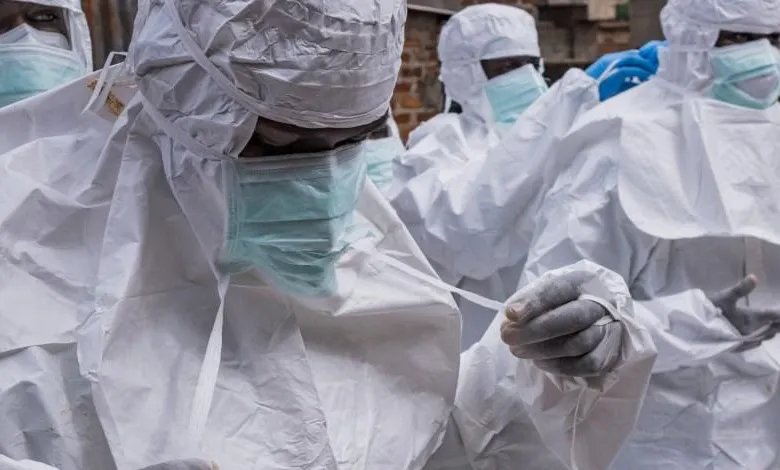

Health authorities in India have activated precautionary protocols after a traveller arriving from Uganda presented symptoms initially raising concerns about possible Ebola infection. Although laboratory testing later indicated a negative result, the case underscores the importance of rapid response systems in an increasingly interconnected global health landscape.
The individual, who travelled through multiple locations before arriving in India, was placed under medical observation in accordance with established infectious disease control procedures. Authorities conducted diagnostic testing through specialised laboratories and implemented short-term isolation measures to ensure public safety. Such protocols align with international standards for managing suspected cases of high-risk pathogens.
This development occurs against the backdrop of an ongoing Ebola outbreak in Central Africa, particularly affecting the Democratic Republic of Congo and neighbouring Uganda. The outbreak has been linked to the Bundibugyo strain of the virus, a less common variant that presents distinct challenges due to limited availability of targeted treatments and vaccines.
The World Health Organization has classified the situation as a public health emergency of international concern, reflecting the need for coordinated global monitoring and response. While transmission remains largely contained within affected regions, sporadic suspected cases in other parts of the world highlight the risk of cross-border spread through international travel.
Ebola virus disease is a severe and often life-threatening condition transmitted through direct contact with bodily fluids of infected individuals or contaminated materials. Clinical symptoms typically include fever, gastrointestinal distress, muscle pain, and, in more severe cases, haemorrhagic complications. According to research published in journals such as The New England Journal of Medicine, early detection and supportive care significantly improve survival rates, although the disease continues to carry a high case fatality rate in outbreak settings.
In India, public health authorities emphasised that the risk to the general population remains low. Nevertheless, surveillance systems have been strengthened, particularly at points of entry such as airports, where screening measures are designed to identify potential cases early. Monitoring of close contacts and repeat testing are standard components of containment strategies.
Meanwhile, the situation in the Democratic Republic of Congo remains complex. Ongoing regional instability has posed significant challenges to outbreak response efforts, including limitations in healthcare access and disruptions to contact tracing. Studies in global health literature, including those published in The Lancet, have highlighted how conflict settings can exacerbate the spread of infectious diseases by hindering coordinated interventions.
The recent suspected case in India serves as a reminder of the interconnected nature of global health risks. While the individual case did not result in confirmed infection, it illustrates the importance of preparedness, rapid diagnostics, and international cooperation in managing emerging infectious threats.
As global travel continues to facilitate movement between regions, maintaining robust surveillance systems and public health infrastructure remains essential. Health authorities worldwide continue to stress the importance of vigilance, timely reporting, and adherence to infection prevention protocols to mitigate the impact of diseases such as Ebola.