

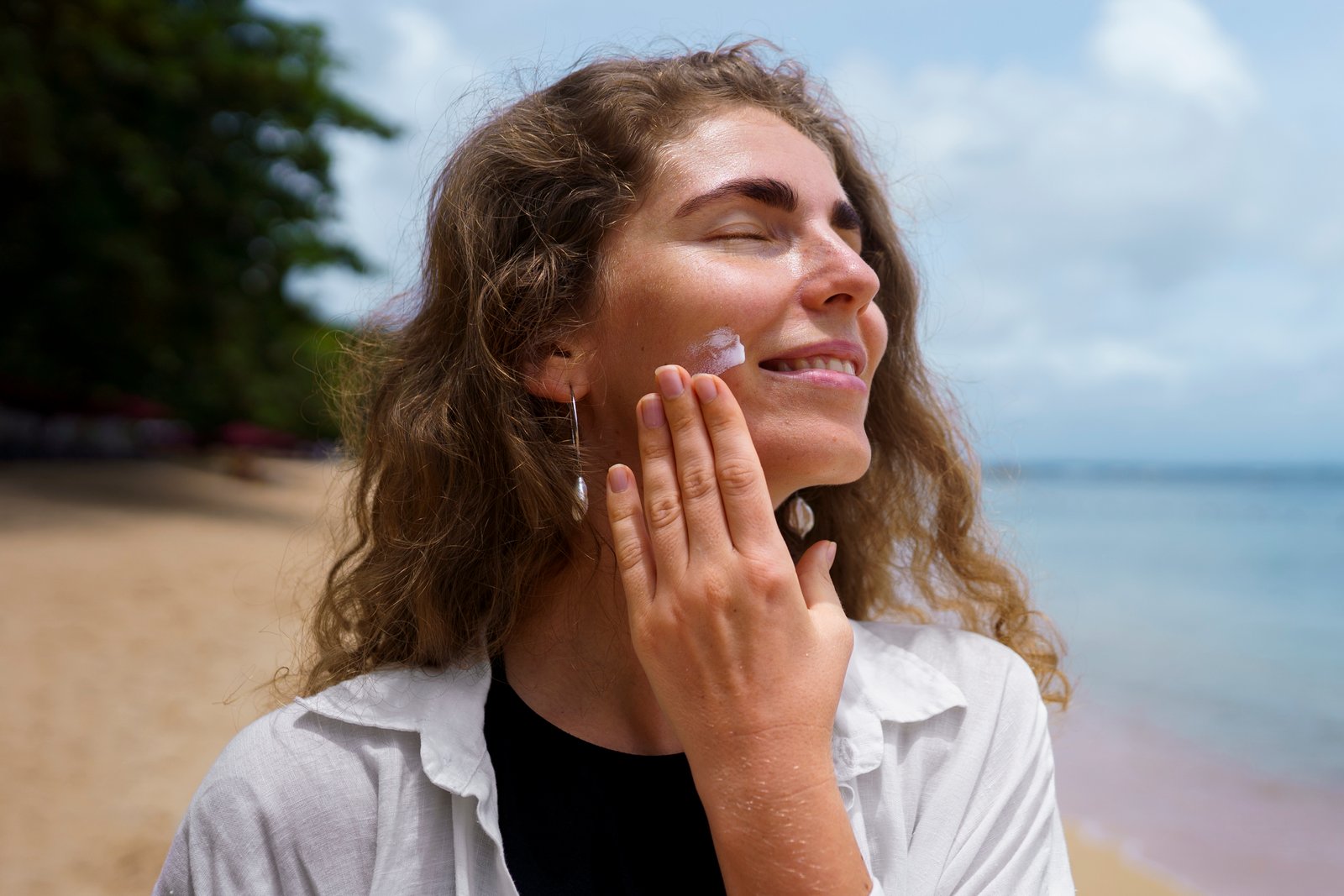
During the summer months in Brazil, the skin is simultaneously exposed to several environmental stressors, including intense solar radiation, high humidity, excessive sweating, seawater and chlorinated swimming pools. Dermatology specialists and consumer health guides in the country highlight that these combined factors can compromise the skin barrier, alter oil production and increase the risk of irritation, dehydration and premature ageing.
For this reason, health and beauty experts in Brazil advise adapting daily skincare routines during the warmer season. The emphasis is on lighter formulations and well-defined steps that support skin comfort, protection and overall appearance, without overloading the skin.
Cleansing as the foundation of care
According to dermatological guidance widely disseminated in Brazil, facial cleansing should be performed twice daily—once in the morning and once in the evening—using a cleanser formulated for the individual’s skin type. This step helps remove sweat, excess oil, sunscreen residue and environmental impurities that accumulate throughout the day.
In cases where make-up is used, professionals recommend an initial cleansing step with micellar water or a dedicated make-up remover, followed by a facial cleanser. This two-stage approach is considered effective in maintaining skin balance without damaging the protective barrier, which is particularly vulnerable during periods of heat and sun exposure.
Treatment and oil control in hot climates
Brazilian skincare guidance for summer prioritises products with lightweight textures, such as gels and serums, which are more comfortable in high temperatures. These formulations are often designed to help regulate excess oil, promote a matte appearance and support skin renewal, while reducing the sensation of heaviness commonly associated with richer creams.
Scientific literature supports this approach, noting that elevated temperatures can stimulate sebaceous gland activity, especially in individuals with oily or combination skin. Using appropriate formulations can help minimise clogged pores and inflammation during the summer season (Draelos, Journal of Cosmetic Dermatology).
Hydration without occlusion
Despite increased perspiration, maintaining adequate skin hydration remains essential. Brazilian experts emphasise that dehydration can occur even in humid conditions, particularly after prolonged sun exposure or contact with salt water and chlorine. Light moisturisers that support the skin’s natural barrier and collagen preservation are commonly recommended to restore comfort without blocking pores.
Sun protection as a public health priority
In a country with high levels of ultraviolet radiation such as Brazil, sun protection is consistently identified as the most critical step in summer skincare. Broad-spectrum sunscreens are advised for daily use, even on cloudy days, to reduce the risk of sunburn, photoageing and skin cancer. Public health institutions in Brazil frequently reinforce the need for regular reapplication, especially after swimming or excessive sweating.
Research published in Photodermatology, Photoimmunology & Photomedicine highlights that consistent sunscreen use is one of the most effective measures for preventing UV-induced skin damage, particularly in regions with intense year-round sunlight.
Adapting routines to seasonal demands
Brazilian consumer health platforms stress that summer skincare should focus on simplicity, comfort and protection. By prioritising gentle cleansing, targeted treatment, adequate hydration and rigorous sun protection, individuals can better support skin health throughout the season.
As summer conditions continue to challenge the skin, experts in Brazil underline that adapting routines is not merely a cosmetic choice, but an important component of preventive skin health, aligned with scientific evidence and dermatological best practice.