
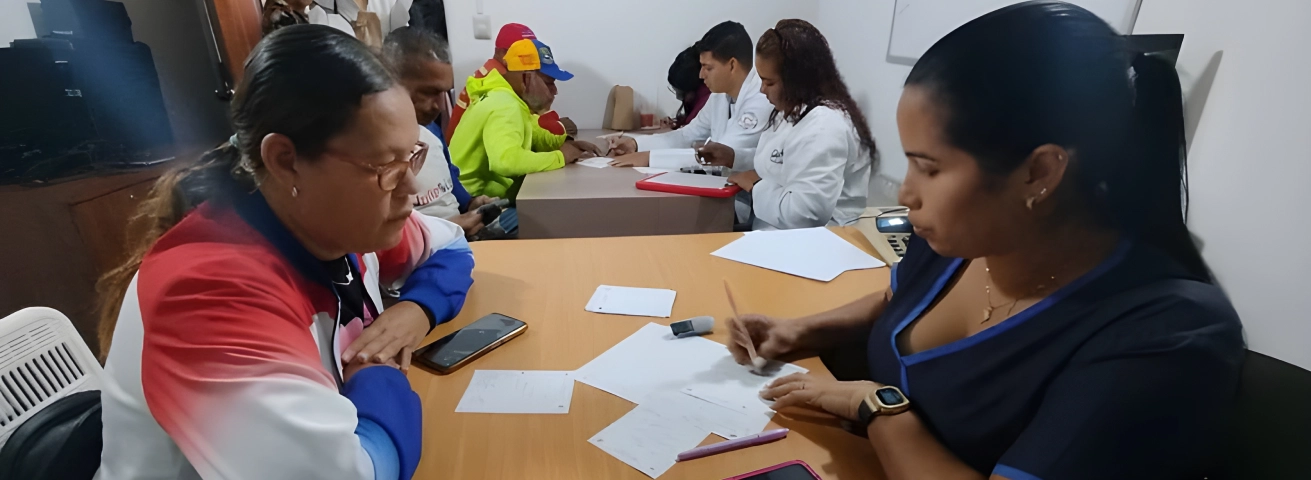
In a significant health initiative in Venezuela, the Ministry of People’s Power for Health (MinSalud) recently conducted a comprehensive medical outreach for more than 400 employees of the Fundación Yaracuy Bonito. The operation, held at the foundation’s premises in the state of Yaracuy, aimed to expand access to essential medical services as part of the government’s broader commitment to universal health care provision.
The outreach included specialised consultations in general medicine, gastroenterology and ophthalmology, as well as ultrasound diagnostics. Attendees were also offered screening for hypertension and immunisation services, and benefited from the free provision of medicines via on-site pharmacy services. This approach reflects the public health emphasis on early detection and prevention of chronic diseases such as hypertension, which the World Health Organization lists among leading causes of morbidity in the Region of the Americas.
Marilyn Velásquez, the state’s chief health authority, underlined the initiative’s alignment with national policy goals to protect Venezuela’s workforce. The programme was implemented under the direction of senior government leaders, reaffirming an ongoing commitment to uphold health as a fundamental right, as established in the Venezuelan Constitution.
Constitutional Context and National Health Policy
Venezuela’s 1999 Constitution enshrines healthcare as a fundamental social right and a responsibility of the State, mandating that the government guarantee access to quality health services for all citizens without discrimination. This legal foundation informs the operations of the Ministry of People’s Power for Health, which coordinates public health programmes and articulates strategies to deliver care, particularly through nationwide outreach efforts.
Over the years, the Venezuelan government has pursued a number of targeted health initiatives intended to broaden service accessibility, with a particular focus on primary care and community-based interventions. These include earlier social health programmes that aimed to embed primary healthcare delivery directly into local communities.
Worker Health as a Public Priority
The recent event in Yaracuy aligns with this broader health policy framework, emphasising integrated and preventive care as key components of public health strategy. Coverage of routine health checks, specialist referrals and essential immunisations — free at the point of delivery — are especially valuable in contexts where access to regular medical services may be limited. Such comprehensive outreach helps to reduce barriers to care and supports the early identification and management of health conditions among working adults.
By extending structured medical support to public servants and employees, Venezuela’s health authorities are reinforcing the principle that access to health care should be both universal and equitable. This objective resonates with global perspectives on universal health coverage, which prioritise not only the availability of services but also their accessibility and affordability for all segments of the population.