

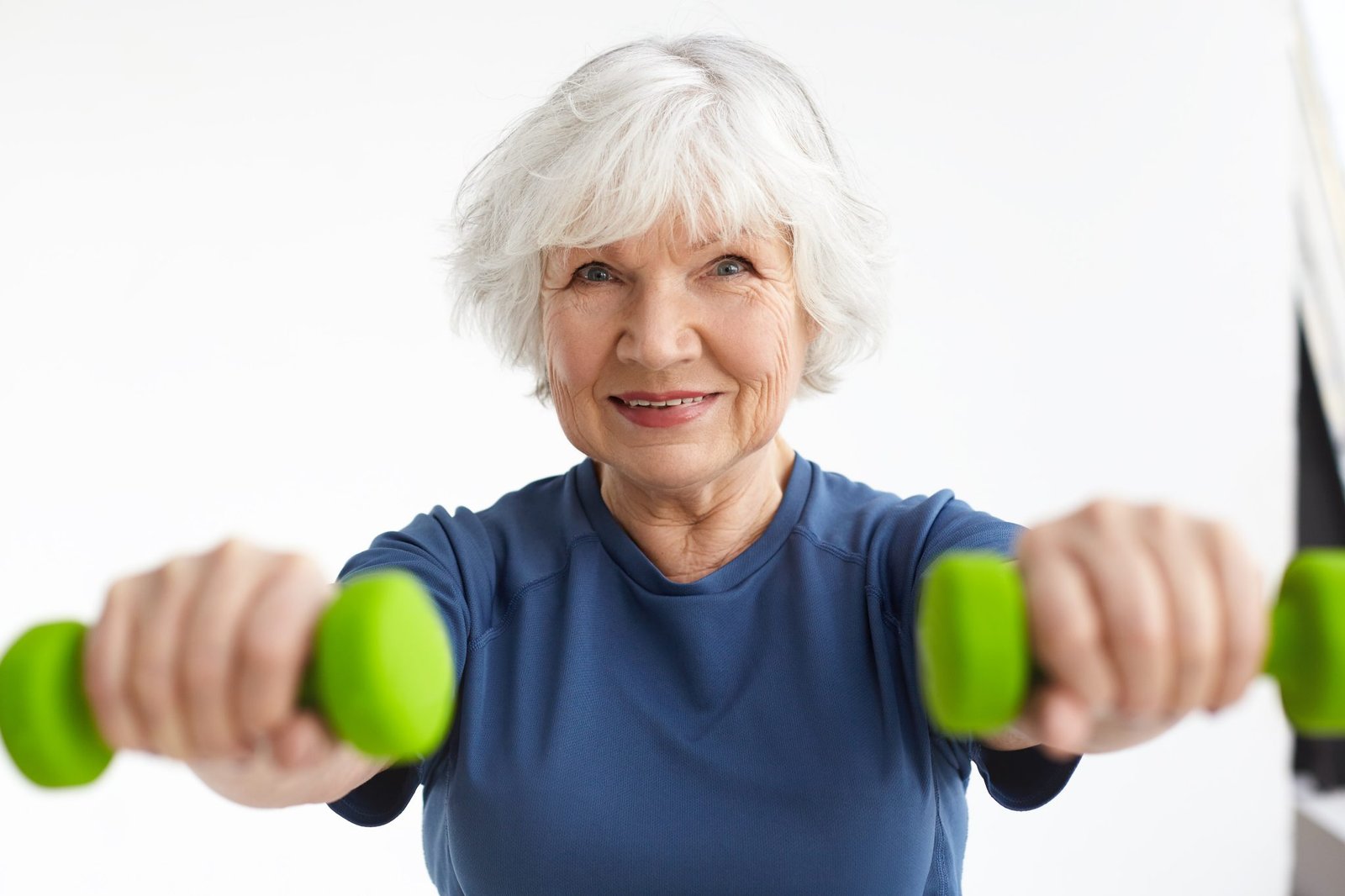
Brazil – Physical activity remains one of the most important pillars of healthy ageing, and new research emerging from Brazil is reshaping recommendations for individuals aged over 60. While walking and swimming continue to be widely encouraged for cardiovascular fitness, Brazilian scientific studies indicate that strength-based exercise may provide more comprehensive benefits for maintaining autonomy, preventing injuries and improving long-term wellbeing.
Muscle Preservation and Functional Independence
Ageing is naturally associated with a gradual reduction in muscle mass and bone density, processes that can compromise mobility and daily functionality. Tasks such as climbing stairs, standing up from a seated position or walking across uneven surfaces often become more challenging due to declining muscular strength and joint stability.
Brazilian researchers have emphasised that resistance-based exercise directly addresses these issues. Evidence demonstrates that targeted strength training programmes can help maintain or increase muscle mass, reinforce skeletal structures and improve joint support. Collectively, these improvements contribute to enhanced balance and significantly lower the risk of falls, one of the primary causes of injury and hospitalisation among older adults.
A study conducted in Brazil found that frail elderly individuals who participated in a 12-week resistance training programme experienced substantial improvements in lower limb strength and balance compared with sedentary participants. These findings reinforce the role of structured muscular conditioning as a preventive health intervention.
Scientific Evidence Supporting Resistance Exercise
Academic institutions in Brazil, including the University of Brasília (UnB), have investigated the relationship between ageing and muscle fragility. Their findings indicate that resistance exercises can effectively counteract sarcopenia, a progressive loss of muscle mass commonly associated with ageing and reduced functional capacity.
Further academic reviews carried out in Brazil have concluded that strength training helps preserve functional performance, including coordination, stability and physical endurance. Researchers also highlight emerging evidence suggesting that resistance exercise may support cognitive performance and potentially offer protective benefits against degenerative neurological conditions, although ongoing research is required to confirm these associations.
These Brazilian findings align with broader international scientific consensus, which increasingly recognises resistance training as a cornerstone of exercise prescription for older populations.
Accessible Training Without Complex Equipment
Health specialists in Brazil also stress that strength training does not necessarily require access to advanced gym facilities. Safe and effective routines can be performed at home using basic equipment such as light dumbbells, resistance bands or even bodyweight movements.
Healthcare professionals recommend that individuals consult a physician before initiating any new exercise programme, particularly those with chronic health conditions. Once medically cleared, beginners are encouraged to start with sessions lasting approximately 20 to 30 minutes, twice per week.
Functional movements that mimic everyday activities are widely advised. These may include seated squats, pulling exercises using elastic bands, wall-supported press movements and glute bridge exercises performed on the floor. Balance-focused exercises, such as standing on one leg, are frequently incorporated to further reduce fall risk. Gentle stretching at the end of each session can assist in muscle recovery and tension reduction.
The Importance of Consistency in Healthy Ageing
Brazilian health specialists emphasise that regular adherence is fundamental for achieving meaningful results. Establishing fixed training days and integrating exercise into daily routines, such as scheduling sessions after breakfast, can improve long-term engagement and sustainability.
Strength Training as a Public Health Strategy
In Brazil, researchers increasingly view resistance training as an essential health strategy rather than merely a fitness trend. For individuals over 60, maintaining strength is strongly linked to independence, mobility and quality of life. By reducing the risk of falls and preserving functional capacity, strength training can play a crucial role in supporting healthy ageing populations.
As scientific evidence continues to expand, experts in Brazil and internationally advocate for the inclusion of resistance training in routine health recommendations for older adults. When introduced gradually and practised consistently under appropriate guidance, strength training offers measurable benefits for both physical and cognitive health in later life.