

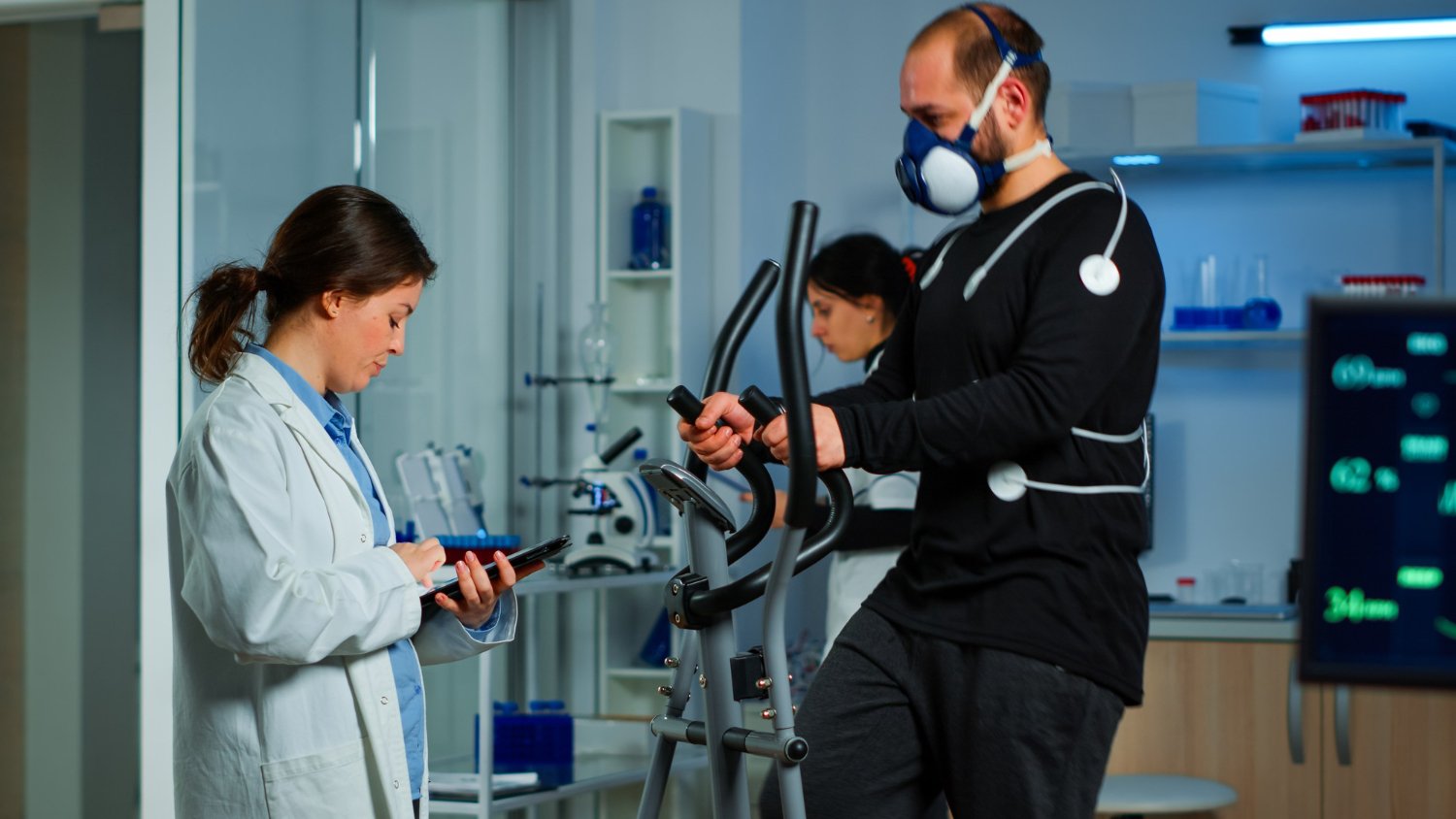

Australia has built a global reputation in sports medicine, supported by a strong culture of physical activity and significant investment in research and athlete care. Healthcare professionals, including sports physicians, physiotherapists and exercise scientists, collaborate to optimise performance while minimising injury risks.
Institutions such as the Australian Institute of Sport have been instrumental in advancing knowledge in biomechanics, injury prevention and rehabilitation. These insights are not limited to elite athletes but are increasingly applied to the general population, particularly in promoting active lifestyles.
One of the key focuses of sports medicine in Australia is injury prevention. Programmes designed to improve strength, flexibility and movement patterns have been shown to reduce the incidence of common injuries, particularly in sports such as football and rugby.
Rehabilitation practices are highly structured, often incorporating advanced technologies such as motion analysis and wearable devices to monitor recovery. These tools allow clinicians to tailor interventions and track progress with greater precision.
Beyond athletics, sports medicine is also used as a tool for public health. Exercise-based interventions are increasingly prescribed for chronic conditions such as obesity, diabetes and cardiovascular disease, highlighting the broader relevance of this field.
Australia’s integrated approach positions it as a leader in both performance optimisation and preventive healthcare.