

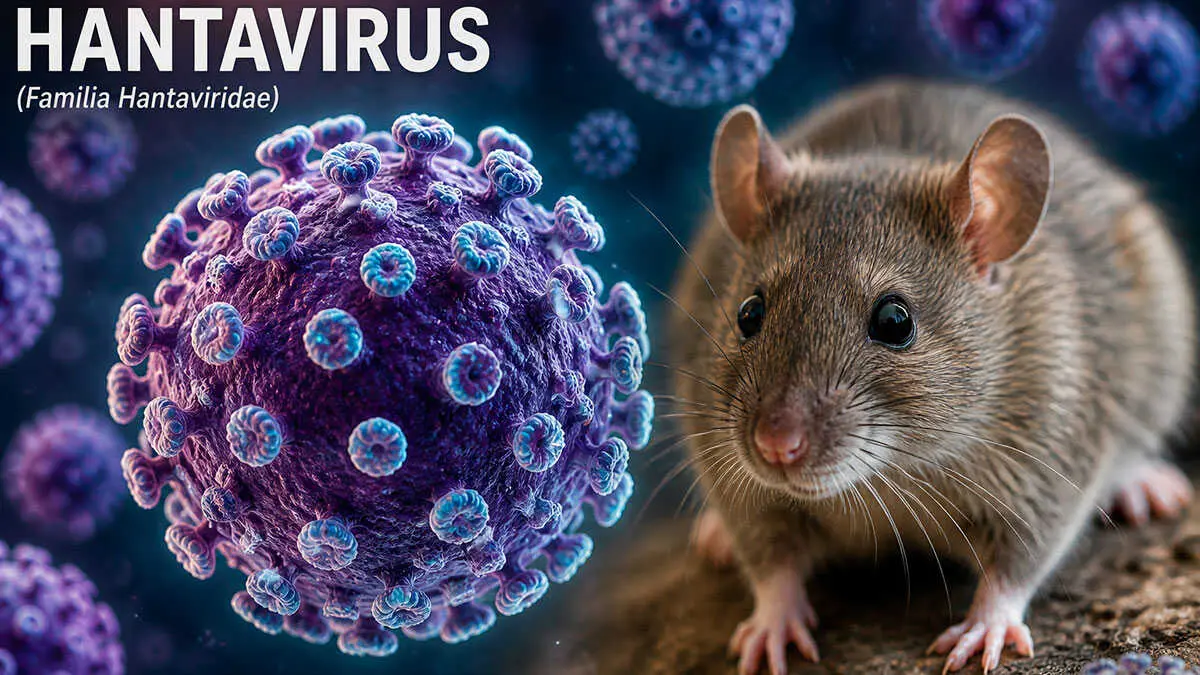

Health authorities in Spain have reinforced their preparedness strategies for managing high-risk infectious diseases, including hantavirus, through updated regional protocols and specialised healthcare infrastructure. In the autonomous community of Aragón, a comprehensive response framework has been implemented to ensure early detection, safe patient management, and coordinated public health action.
At the centre of this strategy is a designated reference hospital located in Zaragoza, Spain, equipped to handle suspected cases requiring strict infection control. The facility has been prepared to provide initial medical care under controlled conditions, incorporating advanced isolation measures designed to minimise the risk of transmission within healthcare settings.
The regional protocol, updated in 2025, outlines a structured response beginning with the identification of potential cases. Once a suspected infection is detected, immediate isolation procedures are activated, followed by coordination with public health authorities. Patients are then transferred to the designated hospital, where specialised teams manage clinical assessment and containment measures.
A key feature of the hospital’s preparedness in Zaragoza is the availability of negative pressure rooms. These environments are engineered to prevent contaminated air from escaping into surrounding areas, thereby reducing the risk of airborne transmission. Such systems are widely recognised in infection control practices and are recommended in the management of highly transmissible diseases (Tellier et al., Clinical Infectious Diseases, 2019).
In addition to infrastructure, the protocol emphasises coordinated communication between emergency medical services and national health bodies in Spain. This includes collaboration with emergency response units and public health coordination centres, ensuring a rapid and organised response to potential outbreaks. If a case requires more advanced care, provisions are in place for transfer to specialised high-level isolation units elsewhere in the country, including facilities in Madrid, Spain.
Although hantavirus infections remain relatively rare, their potential severity necessitates a proactive approach. The virus is primarily transmitted through exposure to contaminated rodent excreta, and in certain cases—particularly involving specific strains identified in South America—limited human-to-human transmission has been documented (Jonsson et al., Clinical Microbiology Reviews, 2010).
Spanish health authorities have sought to reassure the public that robust systems are in place to manage such risks effectively. The Aragón model reflects a broader commitment within Spain to strengthening health security through preparedness, infrastructure investment, and inter-institutional collaboration.
This approach highlights the importance of readiness in the face of emerging infectious diseases, ensuring that healthcare systems can respond swiftly while safeguarding both patients and medical professionals.