

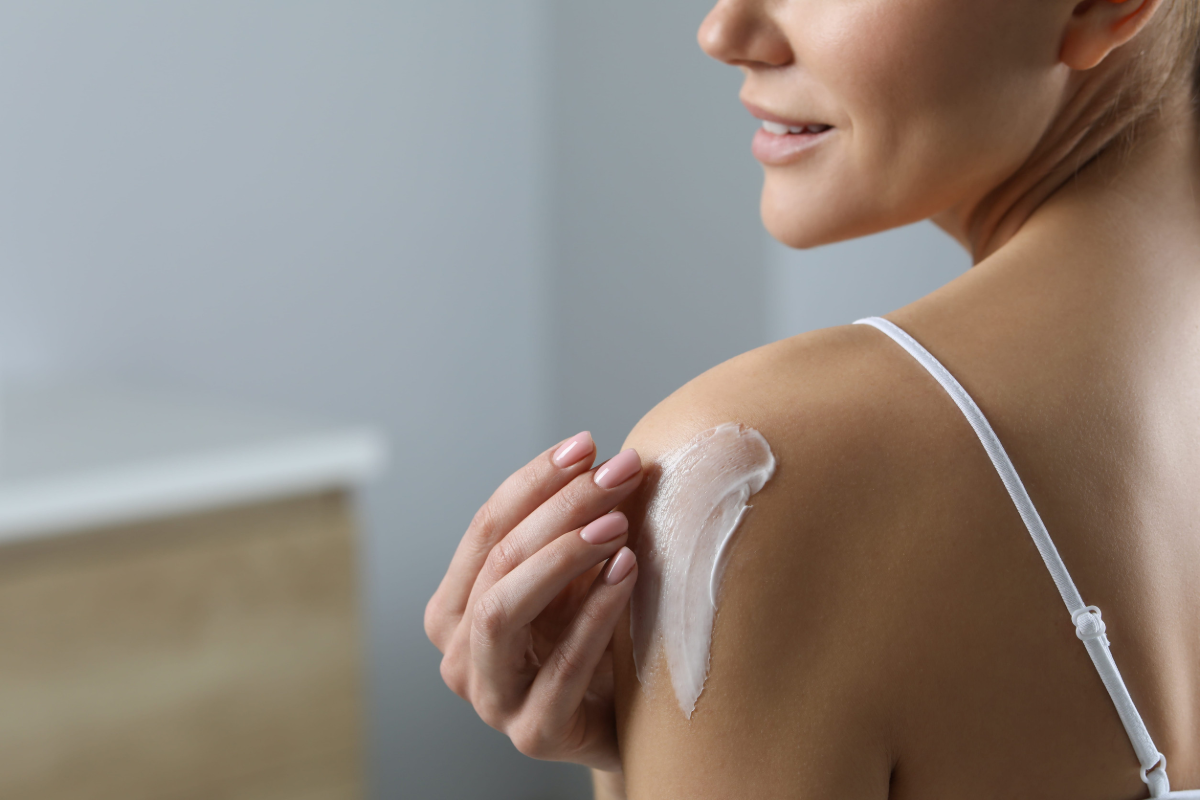

In Spain, supportive care strategies for individuals living with lung cancer are increasingly expanding beyond conventional medical treatments. Recent initiatives led by the Asociación Española de Afectados de Cáncer de Pulmón in collaboration with Pierre Fabre have brought attention to the importance of skin care as a complementary approach to patient wellbeing.
These programmes focus on practical education, offering structured sessions designed to guide patients through appropriate dermocosmetic routines and therapeutic make-up techniques. The initiative aims not only to address physical side effects caused by cancer therapies but also to support emotional resilience and self-perception during treatment.
Managing Dermatological Side Effects of Cancer Therapies
Oncological treatments, particularly those used in lung cancer, are widely associated with a range of dermatological complications. Clinical observations indicate that patients frequently experience dryness, cutaneous irritation, fatigue-related skin changes, scarring, and hair loss, including eyebrows. According to evidence discussed within the initiative, such effects may significantly interfere with daily functioning and overall quality of life.
Research within the field of Oncology and Dermatology supports the role of targeted dermocosmetic interventions in mitigating these symptoms. The use of specialised formulations adapted to sensitive or treatment-affected skin has been shown to reduce discomfort and improve skin integrity, while therapeutic make-up can help restore a sense of normality for patients.
Rising Incidence and Gender Trends in Lung Cancer
Epidemiological projections published by the Sociedad Española de Oncología Médica indicate that lung cancer will rank among the most commonly diagnosed cancers in Spain by 2026. Notably, incidence rates among women have shown a consistent upward trend in recent years.
This shift has been linked to evolving patterns in risk factors, particularly tobacco use. While smoking prevalence has declined among men, it has increased among women, contributing to changing demographics in lung cancer diagnosis. Data from the Grupo Español de Cáncer de Pulmón further highlights a higher proportion of cases in men, though the gap is gradually narrowing.
Holistic Care and Multidisciplinary Approaches
Healthcare professionals involved in these initiatives emphasise that dermatological side effects should be addressed early and systematically. While some skin reactions may be mild and transient, others can be more severe, requiring ongoing management and potentially affecting treatment adherence.
In response, a broader, multidisciplinary approach is being encouraged. The upcoming international initiative ‘Act for Skin’, supported by Pierre Fabre, seeks to integrate expertise from oncologists, dermatologists, pharmacists, nurses, and psycho-oncology specialists. Its objective is to improve prevention and management of treatment-related skin toxicities through patient education and early intervention strategies.
Enhancing Quality of Life Through Supportive Care
The growing recognition of dermocosmetic care reflects a wider shift in modern oncology towards patient-centred treatment models. Beyond survival outcomes, there is increasing emphasis on preserving dignity, identity, and quality of life throughout the cancer journey.
By equipping patients with practical tools to manage visible side effects, these programmes in Spain demonstrate how supportive care can play a meaningful role alongside clinical treatment, reinforcing both physical comfort and psychological wellbeing.