

Piura, Peru – Public health authorities in Peru have renewed calls for strengthened household prevention measures as increasing temperatures create favourable conditions for the rapid reproduction of Aedes aegypti, the mosquito responsible for transmitting dengue. The Regional Health Directorate (Diresa) of Piura has emphasised that climate-related changes are significantly shortening the insect’s life cycle, raising the risk of transmission across the region.
According to Diresa specialists, higher ambient temperatures can reduce the mosquito’s reproductive cycle from approximately 12 days to as few as five. This acceleration not only increases mosquito density but also shortens the incubation period of the dengue virus within the vector, heightening the likelihood of infection. Manuel Olivares Antón, a biologist and coordinator of Peru’s strategy for vector-borne diseases, explained that a single female mosquito is capable of producing more than a thousand offspring during its lifespan, underscoring the urgency of timely intervention.
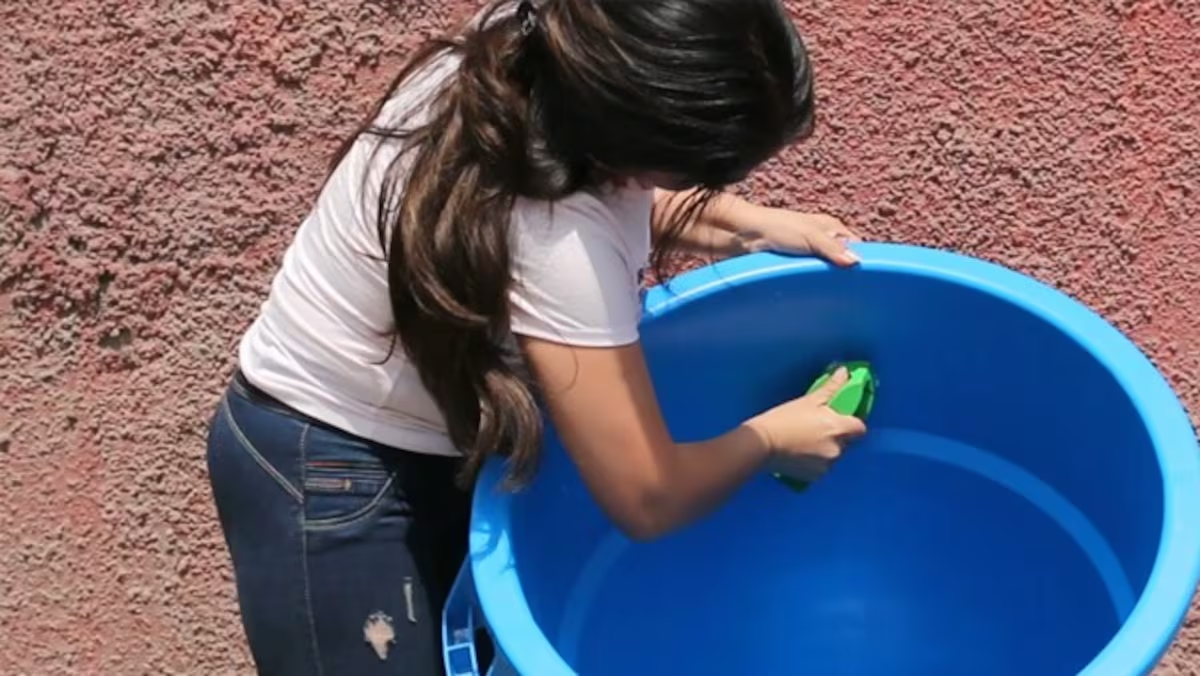
Health authorities stress that community participation remains a decisive factor in controlling dengue. In Piura, families are encouraged to eliminate potential breeding sites on a continuous basis and to adopt self-monitoring practices, such as dedicating ten minutes a week to inspect and clean water-holding containers in and around their homes. Similar community-based approaches have been supported by scientific evidence published in journals such as The Lancet Infectious Diseases, which highlight source reduction as one of the most effective methods for limiting mosquito populations.
The Ministry of Health in Peru has also drawn attention to the role of climate change in expanding the geographical range of Aedes aegypti. Once largely confined to lower altitudes, the mosquito has now been detected in areas above 2,000 metres above sea level, a development that poses new challenges for dengue prevention in previously unaffected communities.
Common breeding sites include containers or objects with concave bases that collect stagnant water, such as tanks, buckets, plant pots, pet water bowls, swimming pools, flower vases, discarded bottles, tyres, cans and household appliances that retain moisture. Regular inspection and elimination of these sites is considered a simple yet highly effective preventive action.
Clinically, dengue presents with symptoms such as high fever, severe headache, pain behind the eyes, skin rash, and muscle and joint pain. Health officials in Peru warn that warning signs — including persistent abdominal pain, continuous vomiting, bleeding from the gums or nose, drowsiness, irritability and general weakness — require immediate medical attention. The Ministry of Health advises against self-medication and recommends adequate hydration and prompt consultation at the nearest healthcare facility.
Early diagnosis and appropriate medical care are critical in preventing severe complications, as supported by guidance from the World Health Organization. As temperatures continue to rise, Peruvian health authorities reiterate that sustained preventive habits at the household level are essential to reducing dengue transmission and protecting public health in vulnerable regions such as Piura.