

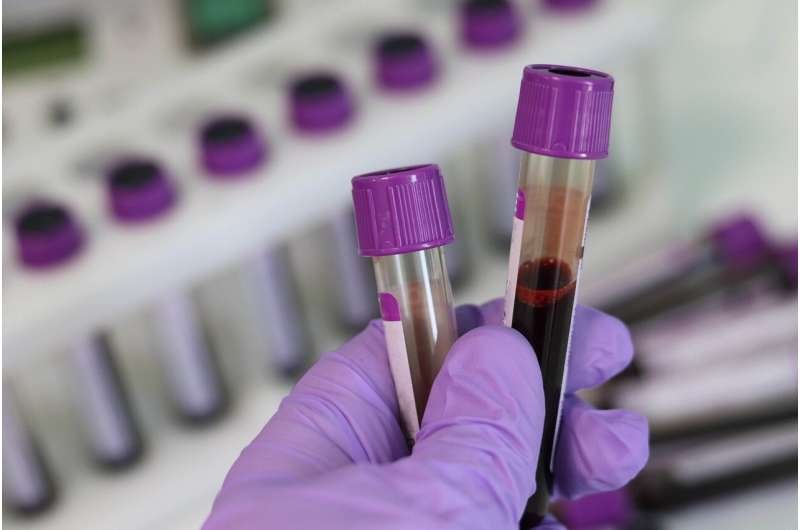

A recent study conducted in the United States has highlighted the potential for earlier identification of iron deficiency among children aged 5 to 14 years. The findings, supported by researchers affiliated with the Centers for Disease Control and Prevention, indicate that existing diagnostic thresholds may fail to detect the condition at its initial stages.
Iron deficiency remains one of the most common nutritional disorders globally and is particularly significant during childhood, a period marked by rapid physical and cognitive development. Iron plays a crucial role in the production of haemoglobin, the protein responsible for transporting oxygen throughout the body. Insufficient iron levels can therefore impair growth, reduce physical capacity, and negatively affect attention and learning outcomes.
Traditionally, clinical guidelines from organisations such as the World Health Organization and the CDC define iron deficiency based on relatively low ferritin concentrations, typically around 15 micrograms per litre. Ferritin is a key biomarker reflecting the body’s iron reserves. However, the new analysis suggests that functional iron depletion may begin at higher ferritin levels than previously recognised.
Using data derived from a large national health survey, researchers examined blood markers in thousands of children who were otherwise considered healthy. By applying a revised analytical approach that evaluates early changes in red blood cell production, the study identified a substantially greater proportion of children with signs of insufficient iron. The results indicate that iron-related physiological changes may occur before conventional thresholds signal a deficiency.
Importantly, the study found that when ferritin levels fall below approximately 24 micrograms per litre, the body may already begin to experience limitations in producing healthy red blood cells. This suggests that relying solely on current cut-off values could delay diagnosis and intervention. Previous research published in journals such as The Lancet Haematology has similarly emphasised that iron deficiency can exist even in the absence of anaemia, reinforcing the need for more sensitive screening strategies.
The implications for public health are considerable. Early-stage iron deficiency is often asymptomatic but may still compromise neurological development and academic performance. Detecting the condition before the onset of anaemia could allow for timely dietary or medical interventions, reducing long-term health impacts.
The research also observed variations across age and sex groups. While both boys and girls require increased iron intake during growth, older girls showed a higher prevalence of deficiency, likely reflecting additional physiological demands. Despite these differences, the proposed higher ferritin threshold appeared consistent across the studied population.
To strengthen the validity of their findings, researchers compared historical data with more recent datasets, confirming similar patterns in iron status indicators. Nevertheless, they acknowledged certain limitations, including the inability to fully account for developmental stages such as puberty, which can influence iron metabolism.
Experts suggest that revising diagnostic criteria could enhance clinical practice by enabling healthcare professionals to identify at-risk children earlier. As screening often depends on detecting anaemia—a later manifestation of iron deficiency—many cases may currently go unnoticed until more advanced stages.
This emerging evidence from the United States underscores the importance of reassessing nutritional biomarkers and adapting guidelines to reflect a more proactive approach to child health. Early detection and intervention remain key strategies in preventing the broader consequences of micronutrient deficiencies.