

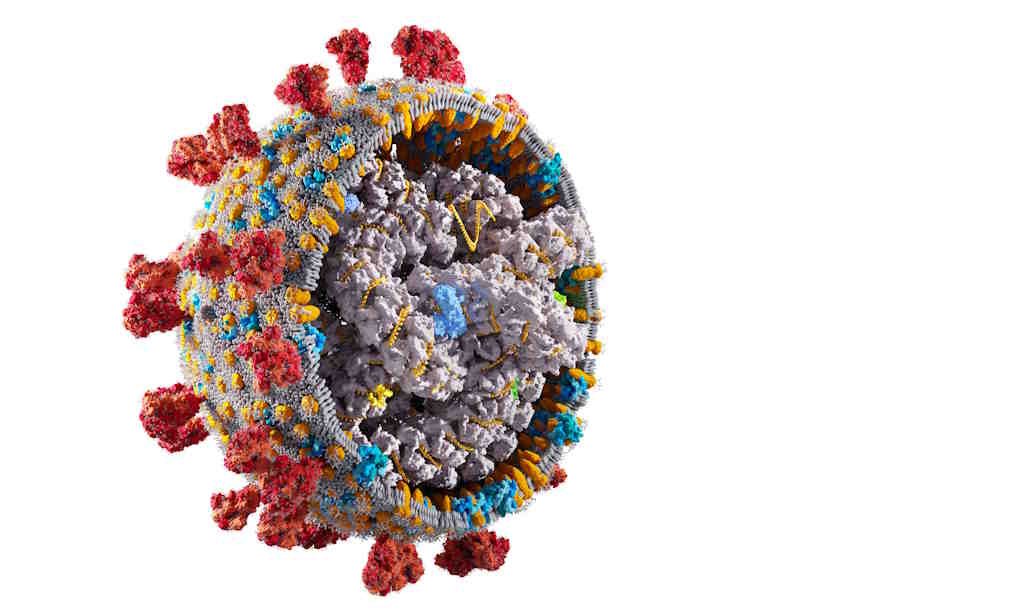
Scientists working in the United States have reported the discovery of a previously unrecognised genetic mechanism associated with the replication of the Human Immunodeficiency Virus (HIV). The findings, published in the journal Nature Microbiology, highlight a circular RNA structure produced by the virus that may play an important role in its ability to multiply inside infected cells.
The research was conducted by a team from the Yale University, led by immunologist Grace Chen at the institution’s School of Medicine. The investigation began several years ago when the researchers hypothesised that HIV might generate circular RNA molecules—genetic structures that differ from conventional linear RNA by forming a closed loop without typical terminal ends.
Circular RNA has gained growing attention in molecular biology during the past decade. Unlike traditional RNA strands, which possess distinct beginning and end points, circular RNA molecules form stable loops that can persist longer inside cells. Previous studies have shown that these molecules may influence gene regulation and cellular processes in both healthy and diseased tissues.
During the investigation, the Yale team analysed RNA extracted from cells infected with HIV. Using sequencing technologies, they identified several circular RNA molecules produced by the virus. Among them was one particularly abundant structure, which the researchers named circHIV.
Further experiments demonstrated that the same circular RNA structure could also be detected in laboratory-grown human cells infected with the virus, as well as in plasma samples obtained from individuals living with HIV. These observations suggested that the molecule is not merely a laboratory artefact but may occur naturally during infection.
To understand the biological significance of the molecule, scientists performed additional tests examining how circHIV affects viral activity. When the researchers reduced the levels of this circular RNA in infected cells, the expression of viral genes declined. Conversely, increasing the amount of circHIV appeared to enhance viral gene activity.
The team also investigated molecular interactions involving the circular RNA and discovered that circHIV can bind to the viral protein known as Tat, a key regulatory component that controls HIV transcription. By interacting with Tat, the circular RNA may contribute to amplifying the production of viral genetic material, thereby facilitating replication.
The discovery adds a new dimension to the scientific understanding of HIV biology. Although decades of research have significantly advanced knowledge of the virus, researchers continue to uncover previously unknown mechanisms that help explain how HIV persists and replicates within the human body.
Experts emphasise that the findings do not immediately translate into a new treatment. However, identifying previously unrecognised molecular pathways may open possibilities for future therapeutic strategies. If researchers are able to disrupt the function of circHIV or prevent its interaction with viral proteins, it could represent a new target for antiviral drug development.
The study also highlights the increasingly multidisciplinary nature of modern biomedical research. The project involved collaboration among specialists in immunobiology, microbial pathogenesis, genetics and laboratory medicine, reflecting the complexity of investigating viral diseases at the molecular level.
Globally, HIV remains a major public health concern. According to international health organisations, tens of millions of people are currently living with the virus, although modern antiretroviral therapies have dramatically improved life expectancy and disease management.
The Yale researchers are continuing their investigations to determine whether similar circular RNA mechanisms may occur in other viruses and to explore whether the circHIV structure could be neutralised through pharmacological intervention. Scientists believe that deeper understanding of viral RNA biology may eventually contribute to the development of more precise antiviral therapies in the future.