

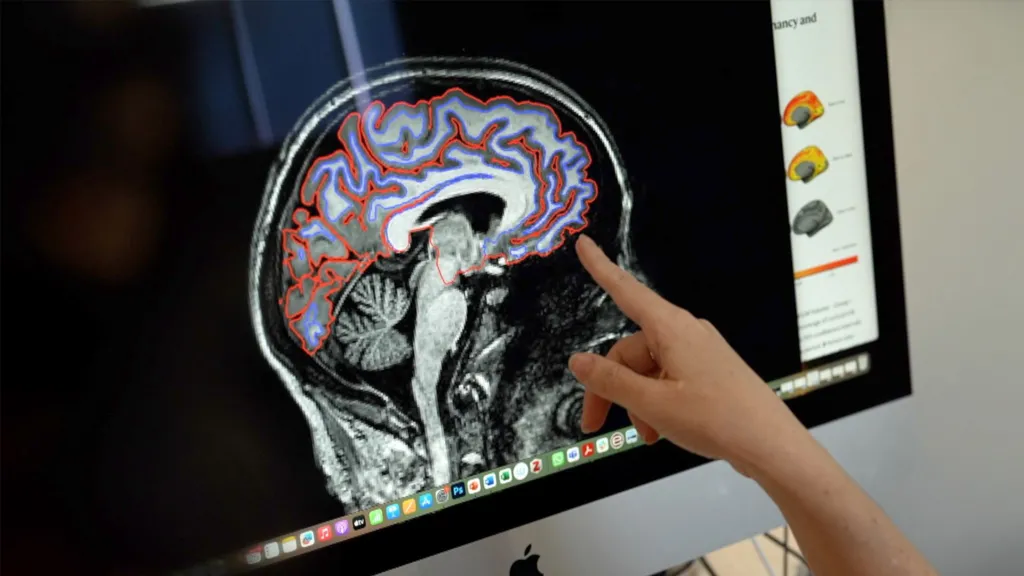
New findings from Spain suggest that pregnancy brings measurable structural changes to the brain, potentially preparing women for the demands of motherhood. The research, conducted by scientists at the Gregorio Marañón Health Research Institute in Madrid and published in Nature Communications, represents one of the most comprehensive investigations to date into neurological adaptations during pregnancy.
Measurable Reduction in Grey Matter
The study monitored 127 pregnant women using repeated magnetic resonance imaging (MRI) scans before conception, throughout pregnancy and after childbirth. These scans were compared with those of 52 women who had never been pregnant, including some partners of expectant mothers.
Researchers observed that, on average, pregnant participants experienced a reduction of nearly 5 per cent in grey matter volume — the brain tissue rich in neuronal cell bodies responsible for processing information, emotional regulation and empathy. Six months after birth, partial recovery was noted, although volumes did not fully return to pre-pregnancy levels. In contrast, grey matter measurements among women who were not pregnant remained largely stable over time.
Professor Susana Carmona, Director of the NeuroMaternal Laboratory in Madrid and co-lead investigator of the project, described the findings as indicative of neurological “reorganisation” rather than decline. She has compared the process to the pruning of a tree, whereby selective reduction allows for greater efficiency.
Links to Emotional Bonding
The research team identified particularly pronounced and sustained changes within the brain’s default mode network — a system involved in self-referential thinking, empathy and social cognition. Notably, women who demonstrated more marked structural alterations were more likely to report stronger emotional connection with their infants.
Hormonal fluctuations appear to play a central role. Analysis of urine and saliva samples revealed that rising oestrogen levels during pregnancy were closely associated with reductions in grey matter in specific regions. Similar hormone-driven neural adaptations have been documented in animal studies, where pregnancy-related hormones are known to activate maternal behaviours.
Reframing the ‘Baby Brain’ Narrative
Although the study was not designed to examine memory performance directly, it contributes to the long-standing debate surrounding the notion commonly referred to as “baby brain”. Earlier, smaller-scale investigations by the same research group did not identify consistent cognitive decline, and evidence across the scientific literature remains mixed.
Experts emphasise that pregnancy imposes substantial metabolic and physiological demands. Fatigue, sleep disruption and emotional changes may contribute to temporary lapses in concentration for some women. However, the structural brain changes observed in this Spanish cohort are increasingly interpreted as adaptive rather than detrimental.
Independent commentators, including Professor Liz Chrastil from the University of California in the United States, have noted that such research may enhance understanding of maternal mental health and inform support strategies, particularly in relation to postnatal depression.
Broader Implications for Women’s Health
Pregnancy is already recognised as a period of systemic transformation affecting the cardiovascular, respiratory and endocrine systems. The emerging evidence that the brain also undergoes measurable remodelling underscores the complexity of maternal health.
The authors argue that further longitudinal studies are required to construct a detailed neurological map of pregnancy and the transition to motherhood. Such research could assist clinicians in distinguishing between typical adaptive changes and pathological conditions.
As scientific understanding evolves, these findings from Spain encourage a reconsideration of outdated stereotypes. Rather than signalling cognitive decline, pregnancy may represent a highly specialised phase of neural refinement — one that equips women with enhanced emotional attunement for early caregiving.