

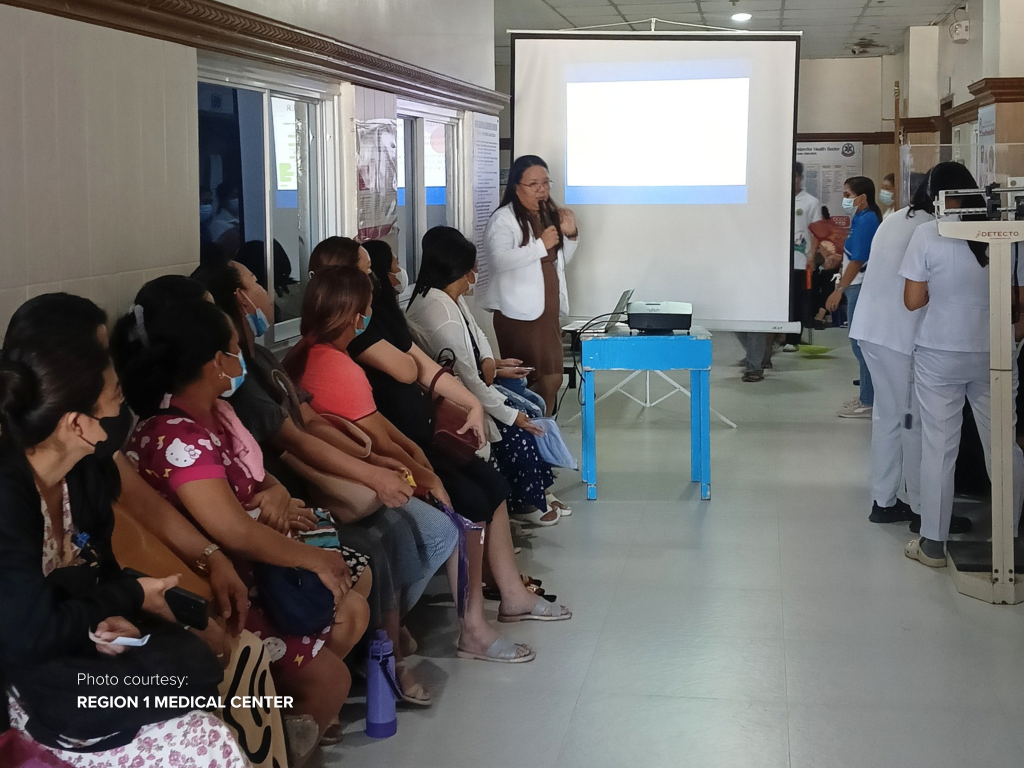

Healthcare institutions in the Philippines are intensifying efforts to combat cervical cancer through expanded access to free screening and public awareness initiatives. The programme, led by a regional medical centre in Dagupan City, Philippines, forms part of broader national strategies aimed at improving early detection and reducing preventable deaths among women.
Cervical cancer remains one of the most significant health concerns affecting women globally. According to the World Health Organization (WHO), the disease is largely preventable through vaccination, regular screening, and timely treatment of precancerous lesions. However, many cases in the Philippines continue to be diagnosed at advanced stages, when treatment becomes more complex and outcomes less favourable.
Medical experts in the Philippines emphasise that persistent infection with high-risk types of the human papillomavirus (HPV) is the principal cause of cervical cancer. HPV infections are often asymptomatic, meaning individuals may remain unaware of the infection for extended periods. For this reason, routine screening plays a crucial role in identifying abnormal cellular changes before they progress into invasive cancer.
The healthcare initiative in Dagupan City includes educational activities and free diagnostic services such as Pap smear examinations and visual inspection techniques used to detect early cervical abnormalities. Women identified with suspicious findings are offered follow-up care and referral pathways for further medical management.
Public health specialists highlight that symptoms associated with cervical cancer frequently appear only in more advanced stages of the disease. These may include abnormal vaginal bleeding, pelvic discomfort, and unusual discharge. Early-stage disease, by contrast, may develop silently, reinforcing the importance of preventive screening even in the absence of symptoms.
Health authorities in the Philippines have also continued promoting HPV vaccination as a central preventive measure. The vaccine, recommended primarily for girls and adolescents before exposure to the virus, has demonstrated strong effectiveness in reducing infections associated with cervical cancer risk (Bruni et al., The Lancet Global Health, 2019).
Several behavioural and medical factors may increase susceptibility to cervical cancer, including smoking, weakened immune function, and prolonged HPV infection. Researchers have also identified associations between increased risk and limited access to preventive healthcare services, particularly in lower-income populations.
By offering free screening services, public healthcare providers in the Philippines aim to reduce barriers to early diagnosis. In many settings, the cost of screening in private facilities may discourage regular testing, making publicly funded programmes particularly important for expanding healthcare access.
The initiative reflects ongoing efforts within the Philippines to strengthen women’s health services through prevention-focused policies. Health officials continue to encourage sexually active women within recommended age groups to participate in regular screening programmes and maintain up-to-date vaccination schedules where applicable.
Experts maintain that cervical cancer represents one of the most preventable forms of cancer when effective public health strategies are consistently implemented. Through education, vaccination, and accessible diagnostic services, healthcare authorities in the Philippines seek to reduce the long-term burden of the disease and improve outcomes for women nationwide.