

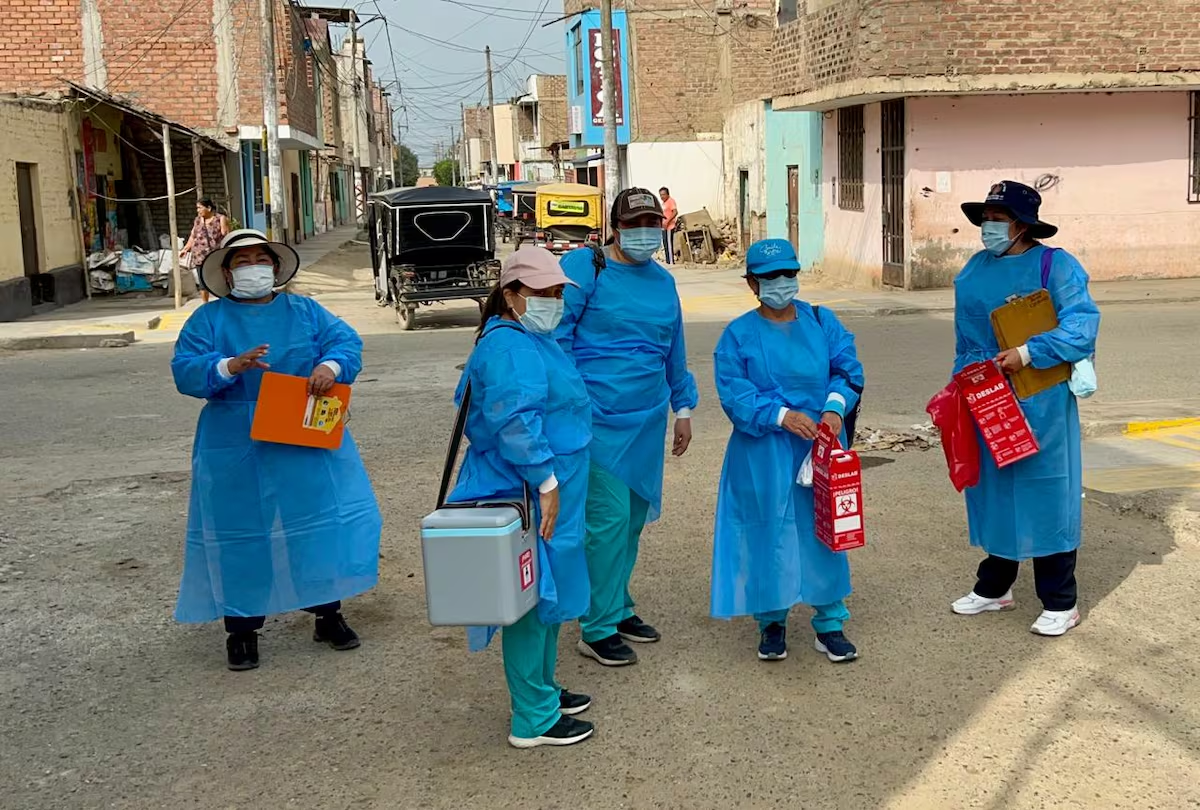

Health authorities in Peru have implemented an immediate public health response after a suspected case of whooping cough (pertussis) was identified in the town of Cartavio, located in the La Libertad region. The intervention forms part of the country's surveillance and outbreak prevention strategy, aiming to reduce the risk of further community transmission through targeted vaccination and epidemiological monitoring.
The Regional Health Management (Geresa) of La Libertad, working alongside the Integrated Health Network (RIS) Ascope, activated emergency response protocols by deploying specialised vaccination teams to the affected area. These measures are consistent with internationally recognised public health recommendations that emphasise rapid case investigation and immunisation during suspected outbreaks of vaccine-preventable diseases.
Targeted Surveillance and Community Vaccination
As part of the containment strategy, healthcare professionals conducted an epidemiological investigation centred on the household associated with the suspected infection. Teams visited surrounding neighbourhoods within a defined radius to identify individuals who may be at increased risk and to verify whether children had completed their routine vaccination schedules.
The campaign also included direct engagement with families, encouraging parents and guardians to attend healthcare facilities or cooperate with home visits from vaccination teams. Public health officials stressed that maintaining high vaccination coverage remains one of the most effective methods of limiting the spread of pertussis.
Importance of Routine Immunisation
Whooping cough is a highly contagious bacterial infection caused by Bordetella pertussis. According to the World Health Organization (WHO), infants are particularly vulnerable to severe complications, including pneumonia, seizures and, in some cases, death. Vaccination remains the primary preventive measure against the disease.
In Peru, protection against pertussis is provided through the national immunisation programme using the pentavalent vaccine. This combined vaccine also offers protection against hepatitis B, tetanus, diphtheria and Haemophilus influenzae type b (Hib), reducing the burden of multiple serious childhood infections through a single vaccination schedule.
Public Health Preparedness Remains Essential
Regional health authorities confirmed that epidemiological surveillance activities will continue throughout the province to detect any additional suspected cases promptly. Continuous monitoring, combined with timely vaccination, is considered essential to preventing larger outbreaks and safeguarding community health.
International health organisations, including the WHO and the US Centers for Disease Control and Prevention (CDC), continue to recommend maintaining high childhood immunisation rates and ensuring rapid public health responses whenever suspected pertussis cases emerge. These measures are particularly important for protecting infants and other vulnerable groups who face the greatest risk of severe disease.
The response implemented in Peru highlights the importance of coordinated surveillance systems, community engagement and routine immunisation programmes in controlling vaccine-preventable diseases and strengthening public health resilience.