

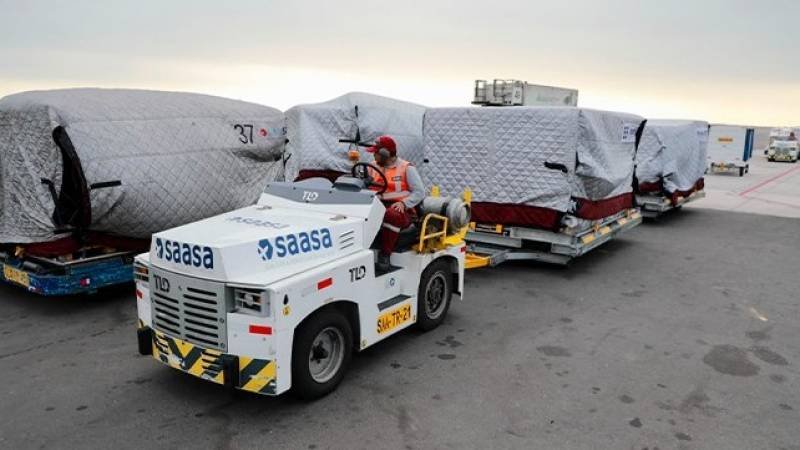

Peru has strengthened its national immunisation programme with the arrival of more than 102,000 doses of a maternal vaccine against Respiratory Syncytial Virus (RSV), reinforcing efforts to protect newborns from one of the leading causes of serious respiratory illness in infants. The initiative, led by the Peruvian Ministry of Health (Minsa), forms part of a broader public health strategy focused on preventing severe disease through vaccination during pregnancy.
RSV is recognised worldwide as a major cause of bronchiolitis and pneumonia in infants, particularly during the first months of life when the immune system is still developing. According to the World Health Organization (WHO), RSV is responsible for millions of lower respiratory tract infections each year and remains a significant contributor to infant hospitalisations globally.
Maternal Immunisation to Provide Early Protection
The newly delivered vaccine doses in Peru are intended for pregnant women between 32 and 36 weeks of gestation. Vaccination during this period enables maternal antibodies to cross the placenta, providing passive immunity to the baby before birth and helping protect infants during their most vulnerable first months of life.
Health authorities expect this strategy to reduce severe RSV infections and decrease the need for hospital treatment among newborns, particularly during seasonal periods when respiratory viruses circulate more widely.
Maternal vaccination has become an increasingly important component of preventive healthcare, with similar approaches already used successfully against diseases such as influenza and pertussis.
Part of a Broader National Prevention Strategy
The latest vaccine shipment complements Peru’s wider immunisation campaign against RSV. Earlier, the country also received more than 79,000 doses of the monoclonal antibody nirsevimab, expanding protection for infants through an additional preventive option.
While maternal vaccination stimulates antibody production in pregnant women, monoclonal antibodies provide direct passive immunity to eligible infants after birth. Together, these approaches are designed to reduce severe respiratory complications in early childhood.
Public health officials describe the combination of maternal vaccination and monoclonal antibody administration as a comprehensive strategy to strengthen infant protection against RSV.
Scientific Evidence Supports Maternal RSV Vaccination
Clinical studies published in peer-reviewed medical journals have demonstrated that maternal RSV vaccination significantly lowers the risk of severe lower respiratory tract disease in infants during their first months of life. International regulatory agencies have authorised maternal RSV vaccines following evidence showing favourable safety profiles and clinically meaningful reductions in RSV-related hospital admissions.
Health experts continue to emphasise that vaccination during pregnancy not only protects mothers but also provides newborns with valuable immune defence during a period when they are too young to mount a fully mature immune response.
Peru Joins Regional Efforts to Reduce Infant Respiratory Disease
With the inclusion of maternal RSV vaccination and nirsevimab in its National Immunisation Schedule, Peru joins a growing number of countries adopting evidence-based strategies to reduce the burden of RSV-related illness.
Public health authorities consider prevention during pregnancy and early infancy to be one of the most effective approaches for lowering hospital admissions, preventing severe respiratory complications, and improving health outcomes for young children. Continued monitoring of vaccine uptake and clinical outcomes will help assess the long-term impact of these measures on infant health across Peru.