

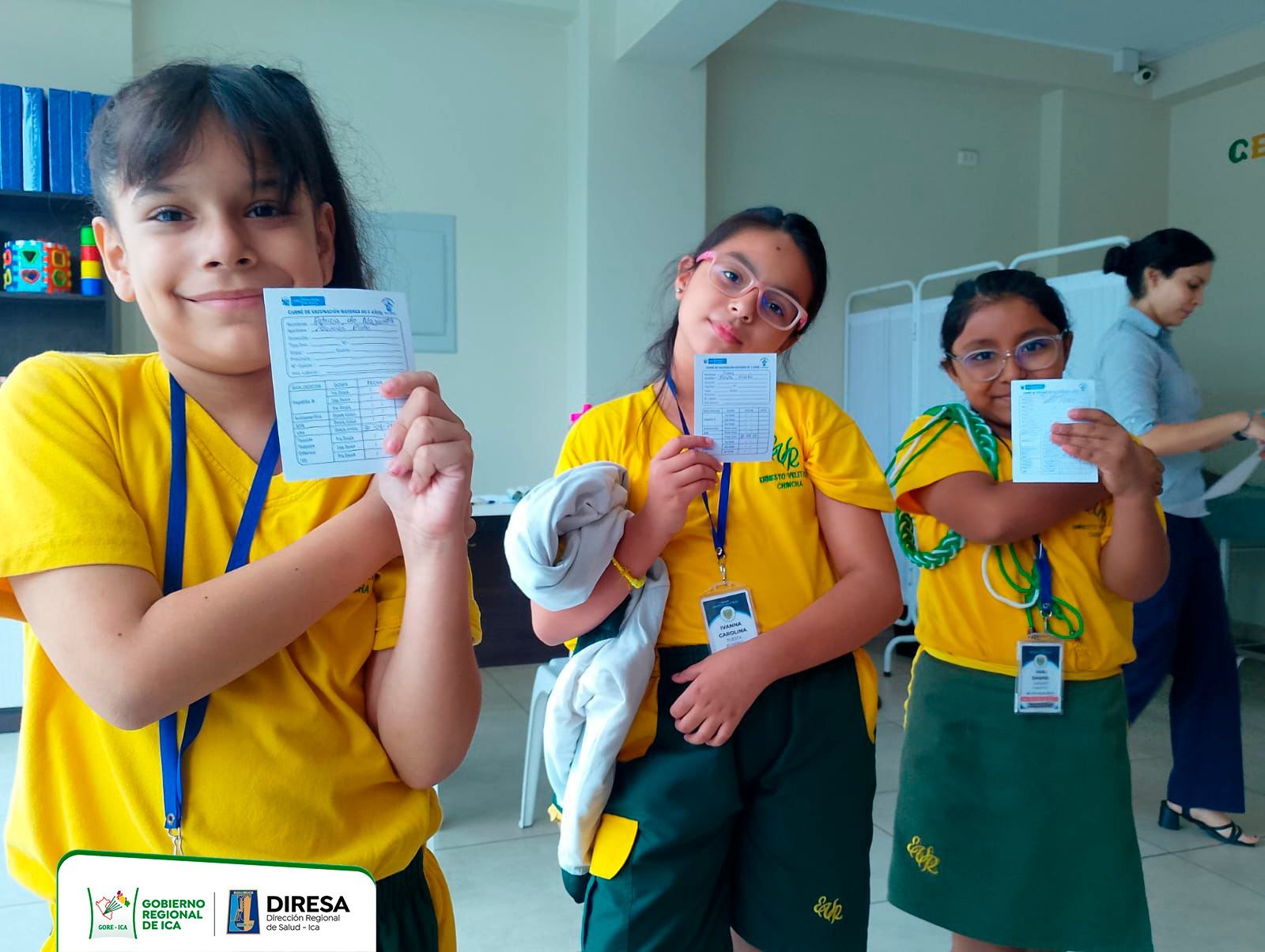

Health services in Peru are strengthening vaccination initiatives aimed at preventing infectious diseases, with a particular focus on the Human Papillomavirus (HPV). Through a combination of school-based programmes and community outreach, authorities are working to increase immunisation coverage among children and adolescents across various regions of the country.
The strategy in Peru includes the deployment of mobile health teams conducting door-to-door visits, ensuring that vaccines reach individuals who may face barriers to accessing healthcare facilities. This approach is designed to reduce gaps in coverage and improve adherence to recommended immunisation schedules, particularly among younger populations.
In parallel, vaccination sessions are being organised within educational institutions, where coordination with school staff allows for efficient and structured delivery of vaccines. This setting provides a controlled and accessible environment, enabling healthcare professionals to reach large numbers of students while maintaining safety and organisation.
The primary focus of the campaign is the prevention of HPV, a virus associated with several types of cancer, including cervical cancer. According to the World Health Organization (WHO), HPV vaccination is one of the most effective measures for reducing the incidence of cervical cancer globally (WHO, 2020). The vaccine is typically administered during early adolescence, prior to potential exposure to the virus, maximising its protective effect.
In addition to HPV immunisation, health authorities in Peru are also promoting influenza vaccination among older adults. This dual approach reflects a broader public health effort to protect vulnerable populations from preventable diseases, particularly during periods when respiratory infections are more prevalent.
Community engagement has played a key role in the implementation of these initiatives. Parental consent and participation are essential components of school-based vaccination programmes, and public health officials have acknowledged the importance of collaboration between families, educators, and healthcare providers in achieving successful outcomes.
Peru’s efforts align with global recommendations advocating for expanded vaccine access and innovative delivery strategies. Studies have shown that outreach models, including home visits and school-based programmes, can significantly improve vaccination uptake, particularly in underserved areas (Bruni et al., The Lancet Global Health, 2016).
Authorities in Peru continue to emphasise that immunisation remains one of the most effective tools in disease prevention. By combining traditional healthcare services with proactive community-based approaches, the country aims to strengthen population immunity and safeguard the health of future generations.