

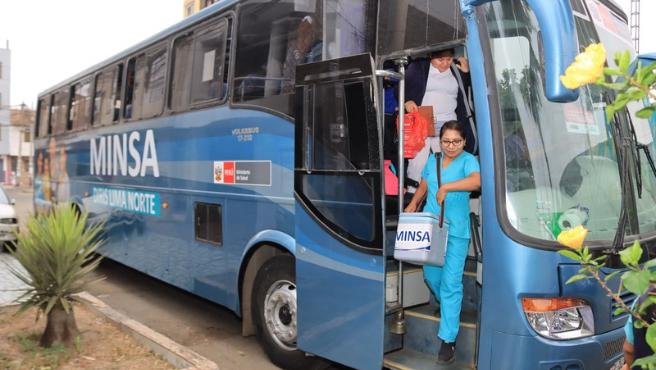

Public health authorities in Peru have intensified efforts to increase measles vaccination coverage through a mobile outreach initiative designed to reach children in both urban and community settings. The programme reflects a broader strategy aimed at preventing outbreaks of a highly contagious disease that continues to pose a global health risk.
The initiative involves the deployment of mobile health units and specialised immunisation teams to locations with high population flow, including schools, marketplaces, and residential areas. By bringing vaccination services directly to communities, health officials aim to overcome logistical and social barriers that often limit access to routine immunisation, particularly among younger populations.
The campaign prioritises children up to 10 years of age, a group considered especially vulnerable to measles infection. According to the World Health Organization (WHO), maintaining high vaccination coverage is essential to achieving herd immunity, typically requiring at least 95% of the population to be immunised in order to interrupt transmission.
Healthcare teams involved in the programme are composed of trained professionals responsible not only for administering vaccines but also for recording data and providing health education. This dual approach ensures that families receive accurate information about the importance of completing recommended immunisation schedules, which is a key factor in preventing vaccine-preventable diseases.
In addition to institutional settings such as schools, the strategy includes door-to-door vaccination efforts in selected neighbourhoods. This method has been widely recognised in public health literature as an effective tool for reaching underserved populations and improving vaccine uptake. Studies published in journals such as The Lancet Infectious Diseases have demonstrated that community-based interventions significantly enhance immunisation rates, particularly in areas with limited healthcare access.
The use of mobile vaccination units further enables authorities to respond dynamically to areas with lower coverage, thereby reducing the risk of localised outbreaks. Measles, caused by a highly transmissible virus spread through respiratory droplets, can lead to severe complications, including pneumonia, encephalitis, and, in some cases, death.
Officials in Peru emphasise that timely vaccination remains the most effective measure to protect children and communities. The current campaign underscores the importance of proactive public health strategies that prioritise accessibility, education, and early prevention.
As global health agencies continue to warn about the resurgence of measles in several regions, initiatives such as this highlight the critical role of localised action in strengthening immunisation systems and safeguarding population health.