

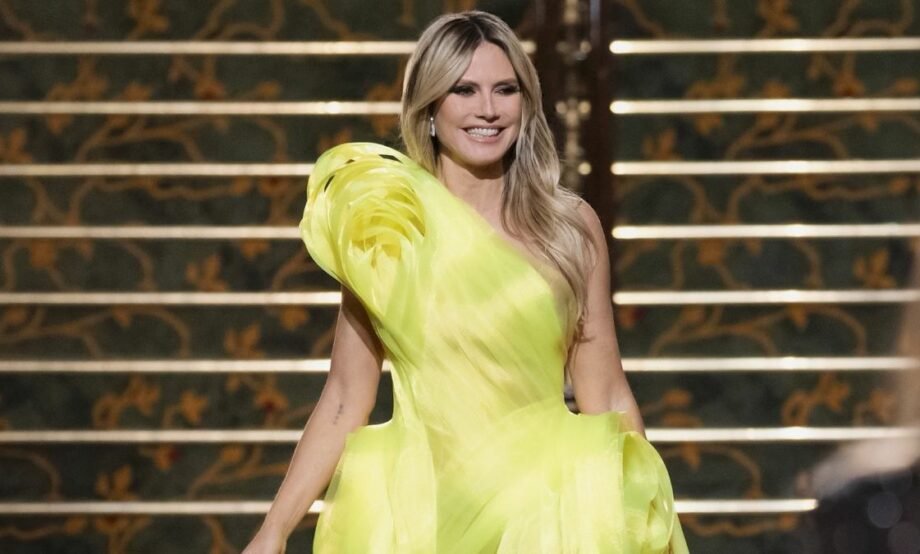
Menopause, a biological stage experienced by women typically between the ages of 45 and 55, has historically been surrounded by social stigma and limited public discussion. In recent years, however, a growing number of public figures have begun speaking openly about the subject, helping to raise awareness and encourage broader conversations about women’s health.
Celebrities such as Heidi Klum, originally from Germany, and actress Naomi Watts, who has worked extensively in the United States, have publicly discussed the physical and emotional changes associated with menopause. Their statements have contributed to a wider dialogue about ageing, body image and health during midlife.
Health specialists note that such discussions may help challenge long-standing misconceptions about menopause, particularly in industries such as entertainment, where youthfulness has traditionally been emphasised.
Understanding the Biological Changes
Menopause marks the end of a woman’s reproductive years and occurs when menstrual cycles permanently cease due to changes in hormone production. According to the World Health Organization, declining levels of oestrogen during this period can lead to a variety of physiological changes.
Common symptoms include hot flushes, sleep disturbances, mood fluctuations and alterations in body composition. Medical professionals also note that many women experience reductions in muscle mass and increases in abdominal fat distribution, changes linked to hormonal shifts during this stage.
Although these changes are natural, they can sometimes affect both physical and emotional wellbeing if not properly understood or supported.
The Importance of Breaking Cultural Silence
For decades, menopause has often remained a private topic, sometimes avoided in public discussion or within families. Researchers and clinicians increasingly argue that this silence can prevent women from accessing accurate information or seeking appropriate healthcare.
Public figures who share their experiences have therefore played a role in encouraging more open dialogue. Actress Naomi Watts, for example, has spoken about experiencing menopausal symptoms in her early forties and later published a book addressing the subject, highlighting the need for greater awareness and education.
Her comments reflect a broader generational shift, in which women are increasingly questioning why discussions about menopause were often absent in earlier generations.
Emotional Wellbeing and Social Support
Healthcare professionals emphasise that menopause should not be viewed solely as a medical condition but rather as a natural life transition. Emotional wellbeing, social support and access to reliable information are considered essential components in helping women navigate this stage.
Experts suggest that sharing experiences within communities and maintaining open discussions about menopause can reduce feelings of isolation. Psychological support, lifestyle adjustments and appropriate medical guidance may also contribute to maintaining quality of life during this period.
A Growing Focus in Women’s Health Research
In recent years, menopause has received increasing attention within the field of Women's Health. Scientists continue to investigate the long-term health implications of hormonal changes, including their potential relationship with cardiovascular health, bone density and metabolic conditions.
Greater visibility in media and public discourse is also encouraging healthcare systems to prioritise education and support services for women approaching midlife.
By addressing the topic more openly, researchers and clinicians hope to ensure that menopause is understood not as a taboo subject, but as a normal phase of life that can be managed with knowledge, medical guidance and social support.