

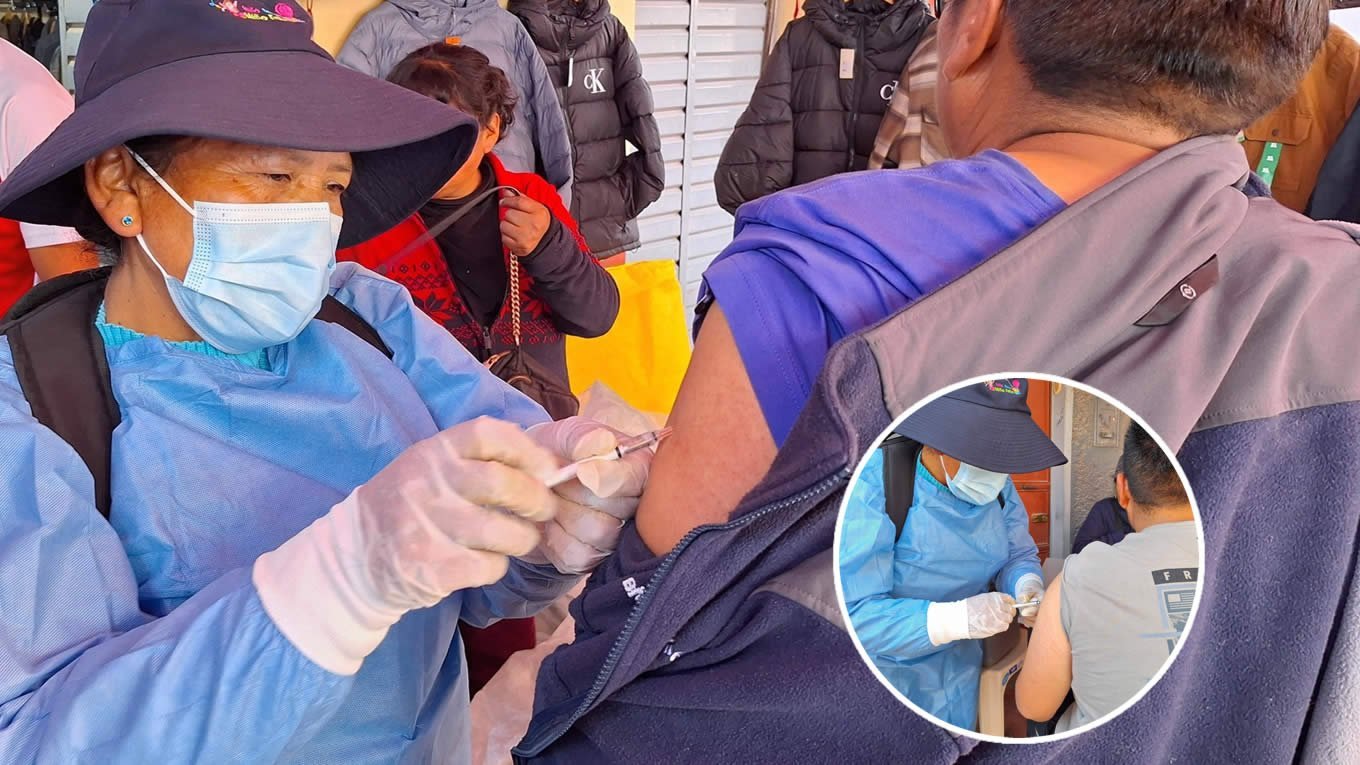

Authorities in Peru have strengthened public health measures following a measles outbreak in Juliaca, in the province of San Román, prompting renewed attention to vaccination coverage and infection prevention strategies. The response includes emergency health actions and protective recommendations aimed at reducing transmission in both community and transport settings.
Measles remains one of the most contagious viral diseases globally, transmitted through respiratory droplets and airborne spread. According to the World Health Organization, outbreaks can emerge rapidly in communities where immunity gaps exist, particularly when vaccination coverage declines below levels needed for herd protection (World Health Organization, 2024).
In response to the outbreak in Peru, local authorities introduced temporary emergency measures designed to reinforce prevention efforts. These include recommendations to use face masks in public and institutional environments, alongside broader health surveillance initiatives aimed at containing the spread of infection.
The response has also extended to the aviation sector. Additional preventive measures have been adopted for operations departing from Juliaca’s airport, reflecting growing recognition that transport hubs can play a role in limiting the spread of infectious diseases, particularly during outbreaks.
Public health specialists note that while vaccination remains the primary defence against measles, layered prevention strategies can be important during active transmission events. Measures such as respiratory hygiene, early case identification and temporary protective practices may support outbreak control when combined with immunisation efforts.
Measles is preventable through vaccination, yet it continues to pose risks when coverage gaps arise. The disease can lead to serious complications, particularly in young children, pregnant women and immunocompromised individuals. Complications may include pneumonia, encephalitis and, in severe cases, death.
Experts have repeatedly stressed that outbreaks often serve as indicators of vulnerabilities in routine immunisation systems. In Peru, as in other countries in the Americas, maintaining high uptake of measles-containing vaccines has been central to preventing re-emergence following decades of regional control efforts.
Recent global health reports have also highlighted renewed concern over measles resurgence in several regions, often associated with disrupted vaccination programmes or declining coverage. The Pan American Health Organization has warned that strengthening routine immunisation and rapid outbreak response remain critical to preventing wider spread.
The situation in Juliaca has therefore renewed focus on both immediate containment and long-term prevention. Health authorities continue to emphasise the importance of vaccination status verification, especially among children and other vulnerable groups, alongside adherence to local public health guidance.
Infectious disease specialists also point out that public cooperation is essential in outbreak control. Community adherence to preventive recommendations, timely healthcare seeking for suspected symptoms, and support for vaccination campaigns can significantly influence containment outcomes.
The response in Peru illustrates how outbreak management often requires coordinated action across public health services, local government and transport sectors. Such integrated approaches are increasingly recognised as essential in responding to highly transmissible diseases.
As surveillance and preventive actions continue, the outbreak underscores a broader public health message: sustained immunisation coverage and rapid response remain fundamental tools in preventing the return and spread of vaccine-preventable diseases such as measles.