

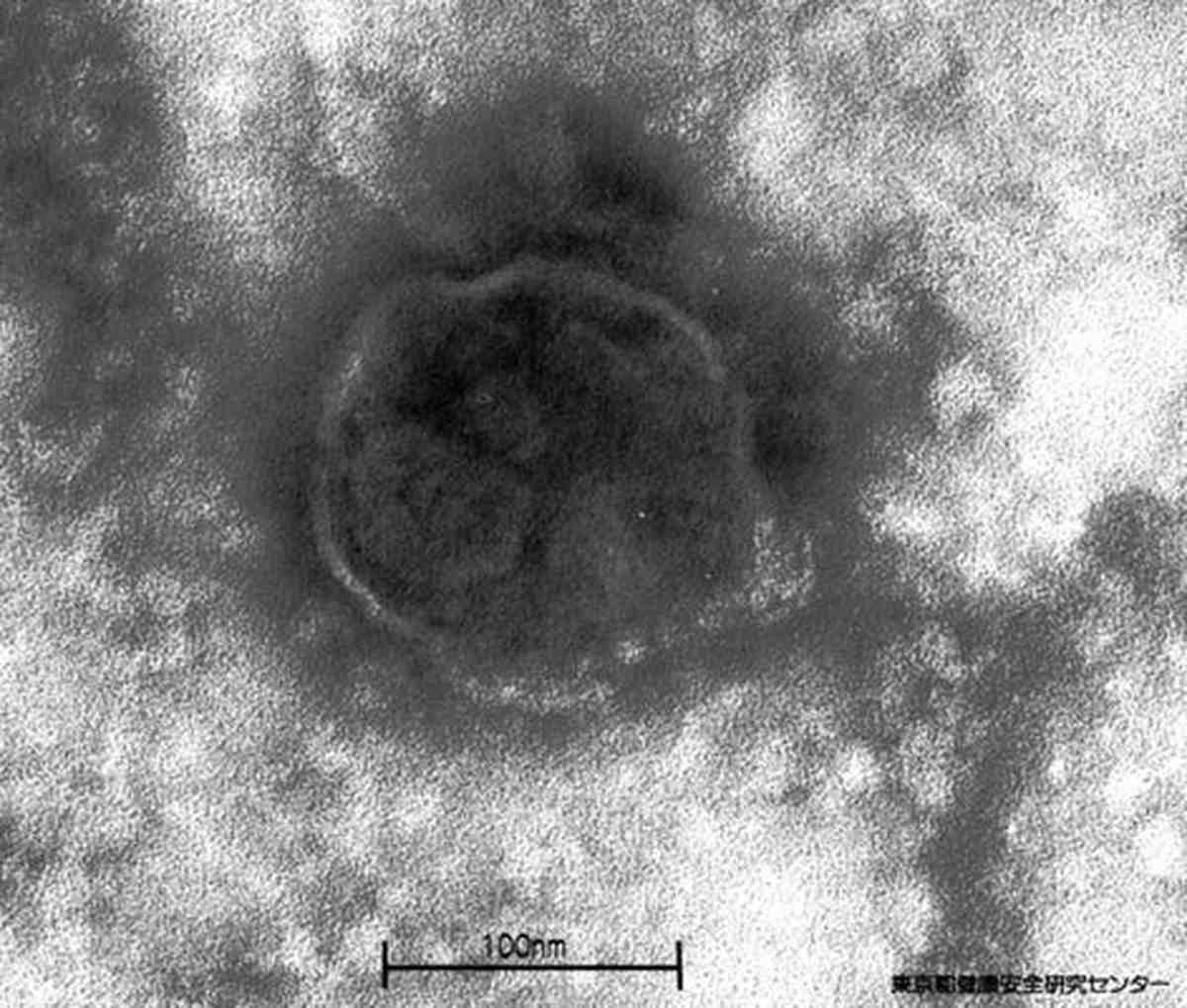

Health authorities in Japan are intensifying surveillance efforts following a rise in measles cases in Tokyo, where several recently confirmed infections have raised concerns about potential exposure in high-traffic public settings, including airports and commercial areas.
According to data released by local officials in Tokyo, the cumulative number of measles cases recorded in Japan this year has already surpassed the total reported for the previous year. This upward trend has prompted renewed attention to the highly contagious nature of the disease and the importance of rapid public health response.
Measles, caused by the measles virus, is transmitted through respiratory droplets and can remain airborne for extended periods in enclosed spaces. The World Health Organization (WHO) notes that the virus can linger in the air for up to two hours after an infected individual has left an area, significantly increasing the likelihood of transmission in crowded environments such as airports, hospitals and retail centres.
Recent cases in Tokyo, Japan involve individuals who travelled through major transport hubs, including international airports, during their infectious period. Public health officials have indicated that these individuals may have had contact with a large number of people in arrival and departure areas, as well as in other public venues across the city. Such scenarios are particularly concerning due to the high mobility of populations and the potential for cross-border spread.
In addition to air travel, exposure may have occurred in everyday urban settings, including healthcare facilities and entertainment venues. These findings underscore the challenges of containing infectious diseases in densely populated cities, where frequent interpersonal interactions are unavoidable.
Clinically, measles typically presents with symptoms such as high fever, cough, conjunctivitis and a characteristic rash. While many cases resolve without complications, the disease can lead to serious outcomes, particularly in young children, older adults and individuals with weakened immune systems. Complications may include pneumonia, encephalitis and, in severe cases, death. Research published in The Lancet Infectious Diseases highlights that measles remains a significant cause of vaccine-preventable mortality worldwide.
The recent increase in cases in Japan has also drawn attention to the critical role of vaccination. The measles vaccine, often administered as part of the measles-mumps-rubella (MMR) programme, is highly effective in preventing infection and reducing transmission. According to studies in The BMJ, maintaining high vaccination coverage is essential to achieving herd immunity and preventing outbreaks.
Public health authorities in Japan are advising individuals who may have visited affected locations during specified timeframes to monitor for symptoms and seek medical advice if necessary. Early identification of cases is crucial for limiting further spread, particularly in environments where large numbers of people converge.
The situation in Tokyo reflects a broader global pattern in which measles outbreaks can re-emerge when vaccination coverage declines or when international travel facilitates the movement of infectious individuals. As highlighted by the WHO, sustained immunisation efforts and vigilant public health monitoring remain key to controlling the disease.
In Japan, ongoing investigations aim to trace contacts and identify potential transmission chains. While the number of cases remains relatively limited, the circumstances surrounding recent infections serve as a reminder of how quickly measles can spread in interconnected and densely populated settings.