


Health authorities in Portugal have confirmed a small number of measles cases in 2026, prompting renewed attention to vaccination coverage and disease surveillance. According to official data released by the Direção-Geral da Saúde, infections have been identified in several regions, including the north, Lisbon and Tagus Valley, Alentejo, and Algarve.
Although the total number of confirmed cases remains limited, epidemiological analysis indicates that most infections occurred in individuals who had not received the measles vaccine. A proportion of cases were associated with international exposure, while a small number were linked through local transmission, including instances identified within healthcare settings.
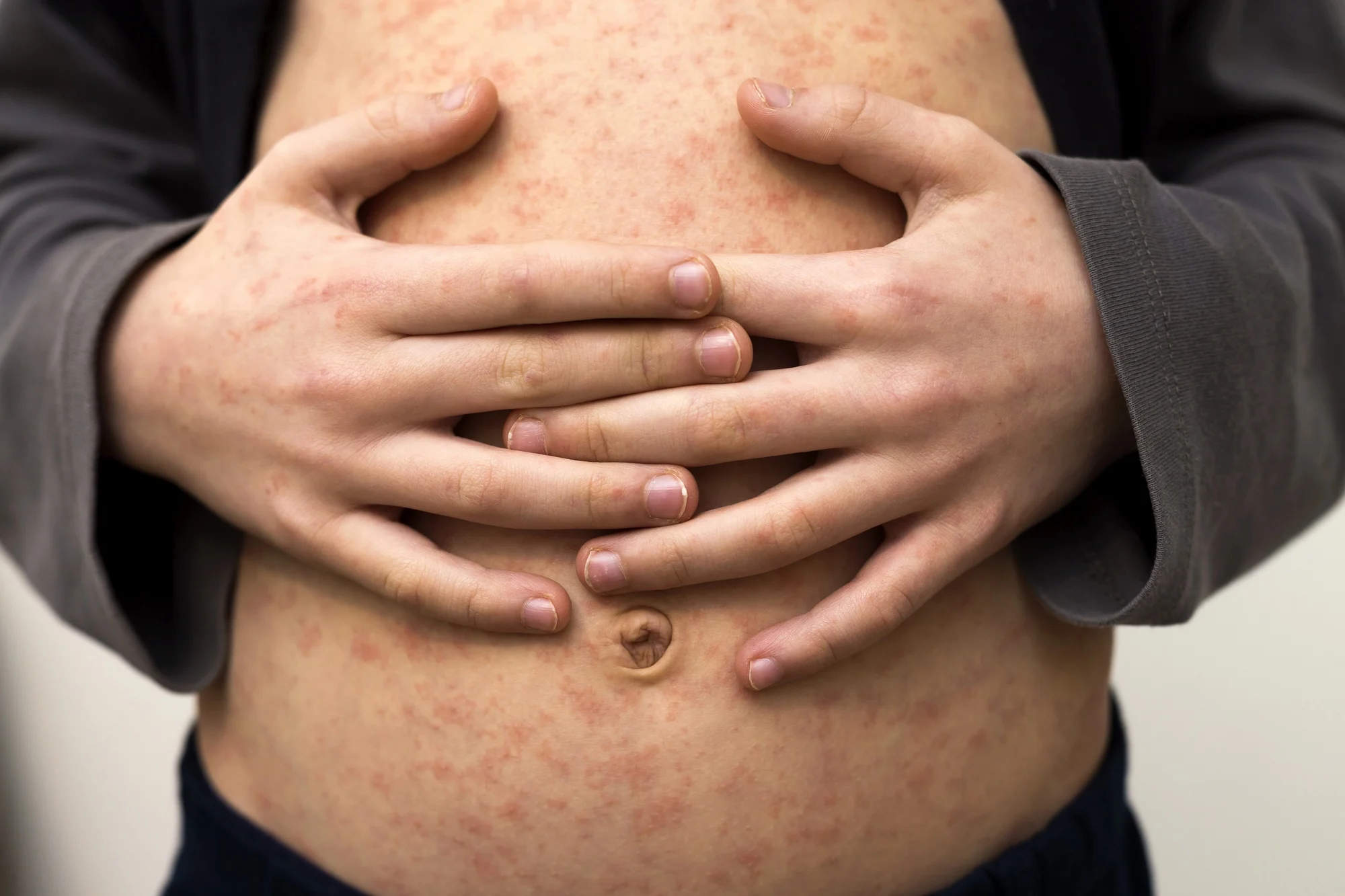
Measles is recognised as one of the most highly contagious viral diseases, spreading through respiratory droplets and aerosols. Clinical presentation typically begins with fever, cough, and inflammation of the respiratory tract, followed by a characteristic rash. While many cases resolve without complications, the disease can lead to severe outcomes, particularly in vulnerable groups such as infants and immunocompromised individuals. Research published in journals such as The Lancet Infectious Diseases has consistently highlighted the potential for complications including pneumonia, encephalitis, and long-term immune suppression.
Public health officials in Portugal have reinforced the importance of maintaining high vaccination rates as a primary strategy for preventing outbreaks. The measles vaccine, included in the national immunisation programme, has historically achieved strong uptake in the country, contributing to the interruption of endemic transmission. However, even small gaps in coverage can allow the virus to re-emerge, particularly when introduced through international travel.
The concept of herd immunity remains central to measles control. According to the World Health Organization, vaccination coverage of approximately 95% is required to prevent sustained transmission within communities. This level of protection is especially critical for individuals who cannot be vaccinated, including very young children and those with certain medical conditions.
Health authorities have advised the public to verify their immunisation status and seek vaccination where necessary. Early identification of suspected cases is also essential, with recommendations for individuals experiencing compatible symptoms to limit contact with others and seek medical guidance. Prompt reporting and isolation measures are key components of outbreak control.
In addition to routine surveillance, local health services have undertaken contact tracing efforts in response to identified cases, particularly in areas where clusters have emerged. Such interventions aim to interrupt transmission chains and minimise the risk of wider.
The recent cases in Portugal reflect a broader trend observed across Europe, where sporadic measles outbreaks continue to occur despite overall progress in disease control. Experts emphasise that sustained vigilance, combined with high vaccination uptake, remains essential to prevent resurgence.
This situation underscores the ongoing relevance of immunisation programmes in safeguarding public health. Even in countries with historically strong vaccination systems, maintaining awareness and adherence to recommended schedules is crucial to protecting both individuals and the wider community.