

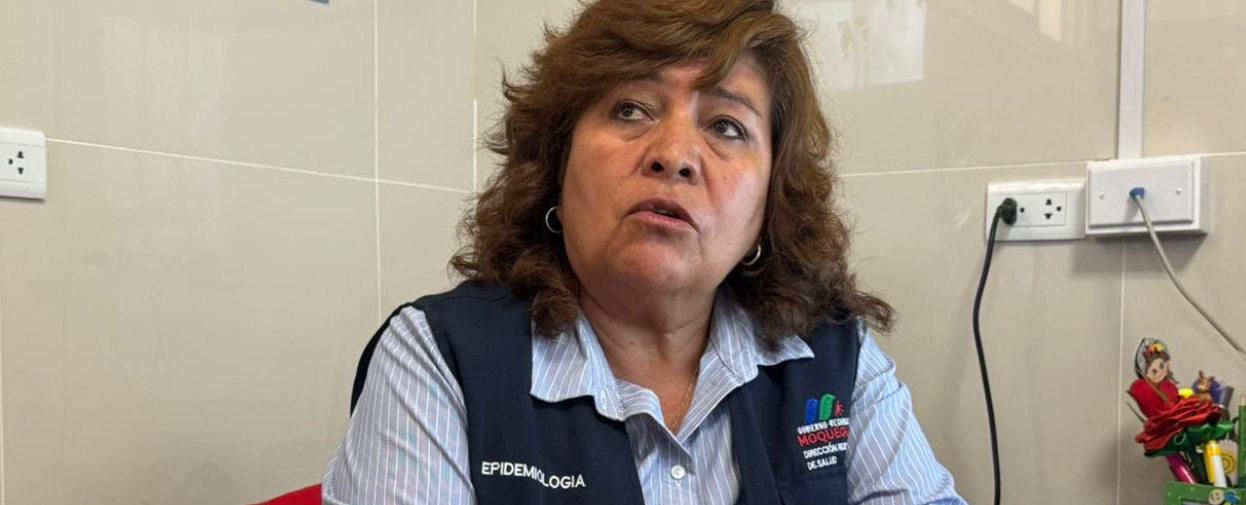

Health authorities in Peru have heightened epidemiological surveillance in the southern region of Moquegua due to concerns over a growing measles outbreak in the neighbouring region of Puno. The situation has prompted increased vigilance, particularly given the frequent movement of people between both regions, which may facilitate the spread of the virus.
According to regional health officials in Peru, Puno is currently experiencing a significant number of confirmed measles cases, affecting multiple provinces. This has placed surrounding areas, including Moquegua, on alert due to the risk of transmission linked to population mobility. Although Moquegua has reported only a single confirmed case to date, authorities consider the situation a potential public health concern.
The confirmed case in Moquegua involved a young adult who had recently travelled from Puno. The individual was promptly isolated and received appropriate medical care, later recovering without complications. Health teams also conducted contact tracing, and no additional infections were identified among close contacts, suggesting that containment measures were effective in this instance.
Despite this, healthcare services in Moquegua, Peru, remain on high alert. Suspected cases in other localities have been investigated and ruled out, but continuous monitoring is being maintained across healthcare facilities. Public health officials emphasise that early detection and rapid response are essential in preventing further spread.
Measles is a highly contagious viral disease, transmitted through respiratory droplets and capable of spreading even before symptoms become apparent. The incubation period typically ranges from 7 to 14 days, during which infected individuals may unknowingly transmit the virus. According to the World Health Organization (WHO), measles remains one of the most infectious human diseases, with outbreaks often occurring in areas where vaccination coverage is insufficient (WHO, 2023).
Vaccination continues to be the most effective method of prevention. The measles vaccine, commonly administered as part of the measles-mumps-rubella (MMR) combination, provides strong and long-lasting immunity. Public health authorities in Peru are reinforcing immunisation efforts to ensure that populations at risk are adequately protected.
The current situation highlights the importance of maintaining high vaccination coverage and robust surveillance systems, particularly in regions with high population mobility. Health officials in Peru continue to urge the public to verify their vaccination status and seek medical advice if symptoms consistent with measles—such as fever, rash, and respiratory signs—appear.
As regional health systems remain vigilant, the response in Moquegua reflects broader efforts in Peru to contain outbreaks and prevent the re-emergence of vaccine-preventable diseases.