

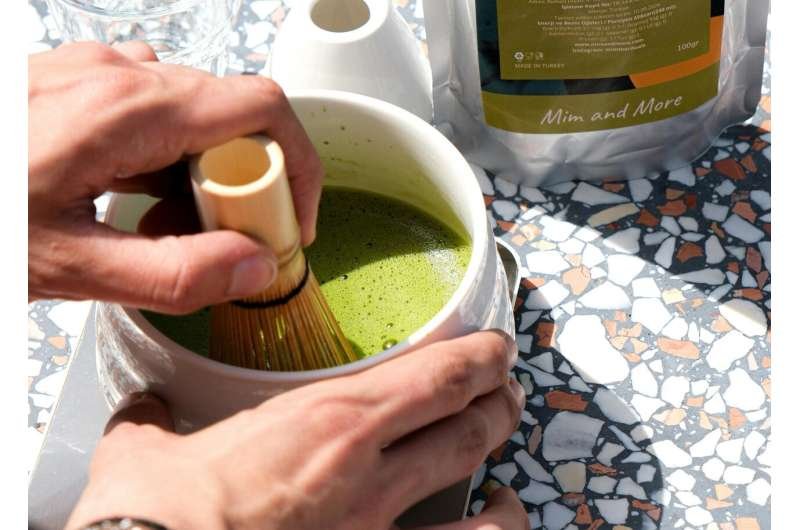
Scientists in Japan have identified potential evidence that matcha, a powdered form of green tea widely consumed in the country, may help reduce sneezing associated with allergic rhinitis, commonly known as hay fever. The findings come from a laboratory study led by researchers at Hiroshima University, who investigated how compounds present in matcha might influence the biological mechanisms involved in allergy symptoms.
Matcha is produced from specially cultivated green tea leaves that are dried and finely ground into a bright green powder. It is traditionally used in Japanese tea ceremonies and increasingly incorporated into beverages and foods worldwide. Previous scientific studies have demonstrated that green tea contains a variety of biologically active substances, including polyphenols, antioxidants and amino acids, which have been associated with potential benefits such as anti-inflammatory effects and cardiovascular support.
The research team in Japan, led by Professor Osamu Kaminuma from the Research Institute for Radiation Biology and Medicine at Hiroshima University, focused on the relationship between matcha consumption and allergic rhinitis. Although earlier human studies have suggested that green tea may help alleviate symptoms of nasal allergies, the precise biological mechanisms behind these effects have remained unclear.
To explore this question, the researchers conducted experiments using laboratory mice designed to develop symptoms similar to those experienced in hay fever. The animals were given matcha tea several times per week over a period exceeding five weeks. Shortly before exposure to an allergen capable of triggering allergic symptoms, an additional dose of matcha was administered.
The results showed a notable reduction in sneezing episodes among the mice that received matcha. Interestingly, the improvement did not appear to result from changes in key immune system components typically involved in allergic reactions. Markers associated with immunoglobulin E (IgE), mast cells and T lymphocytes—which play central roles in allergic inflammation—remained largely unchanged.
Instead, the researchers observed changes within the nervous system. The team analysed activity in a specific region of the brainstem involved in the sneezing reflex, known as the ventral spinal trigeminal nucleus caudalis. When animals were exposed to allergens, this area of the brain normally becomes highly active. However, matcha consumption appeared to reduce the activation of this neural pathway.
Further analysis focused on the c-Fos gene, which is commonly used in neuroscience research as an indicator of neuronal activation following strong stimuli. In mice experiencing allergic symptoms, the expression of this gene increased significantly. Treatment with matcha, however, reduced c-Fos expression, suggesting a suppression of neural signals associated with the sneezing response.
According to the researchers in Japan, these findings indicate that matcha may influence neurological mechanisms related to sneezing rather than directly altering the immune pathways responsible for allergic reactions. This distinction could help explain why some dietary components appear to reduce symptoms without fully modifying the underlying immune response.
Allergic rhinitis is a widespread condition affecting hundreds of millions of people globally. It is characterised by symptoms such as sneezing, nasal congestion, itching and runny nose, typically triggered by allergens like pollen, dust mites or animal dander. While medications such as antihistamines and corticosteroid nasal sprays are commonly used for treatment, interest has grown in complementary strategies that may help manage symptoms.
The researchers emphasise that further studies will be necessary to determine whether the effects observed in laboratory animals also occur in humans. Future clinical investigations may explore whether matcha-based dietary interventions could serve as a supportive option alongside conventional treatments for allergic rhinitis.
The study conducted in Japan was published in the scientific journal npj Science of Food and contributes to ongoing research exploring how natural dietary compounds may interact with neurological and immune systems in the context of allergic diseases.