

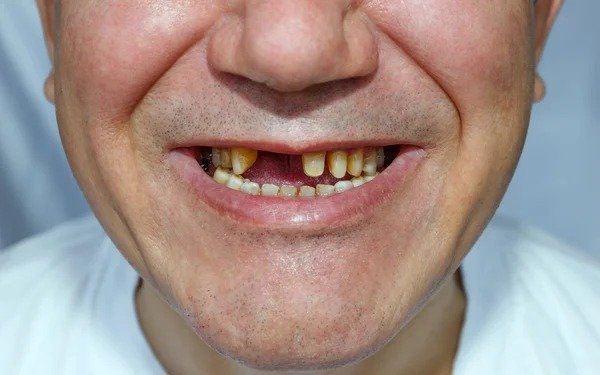
Japan — A major breakthrough in regenerative dentistry is unfolding in Japan, where researchers have begun testing a drug designed to stimulate the regrowth of natural teeth. The clinical trial, conducted by specialists at Kitano Hospital in Osaka and Kyoto University, represents a potential departure from the long-established reliance on dentures and implants for individuals who lose teeth due to age, disease or trauma.
The research project, led by Dr Katsu Takahashi of Kitano Hospital’s Department of Dentistry and Oral Surgery, has evolved from years of work investigating genes linked to dental development. In 2021, the team published findings in Scientific Reports demonstrating that blocking a protein known as USAG-1 enabled new tooth formation in mice. The protein acts as a biological brake on tooth development, and its inhibition appeared to reactivate dormant mechanisms associated with dental growth.
By 2024, promising animal results prompted researchers in Japan to progress to human experimentation. In previous interviews, Dr Takahashi suggested that if the treatment proves safe and effective, it may allow adults to regenerate lost teeth naturally—eliminating dependence on prosthetic replacements.
The regenerative principle behind the drug is rooted in human biology. As described in Dentistry Today, scientists believe that people retain the blueprint for a third set of teeth in the form of inactive dental germs. These structures are typically dormant throughout life but can spontaneously activate in individuals with hyperdontia, a condition where extra teeth develop. By inhibiting USAG-1, researchers hope to “wake” this genetic system and re-ignite tooth formation.
The trial joins a broader line of scientific advances related to dental repair. In 2018, researchers identified specialised stem cells capable of regenerating dental pulp. Two years later, studies indicated that the implantation of human stem cells might restore blood vessels and nerves inside damaged teeth. The same period also produced a bioactive hydrogel designed to enhance regeneration of tooth-supporting bone. Collectively, these studies illustrate growing momentum in regenerative oral medicine.
The current Japanese trial involves 30 men aged 30 to 64 who have lost at least one tooth. Each received the drug intravenously and will be monitored for approximately 11 months to evaluate safety and effectiveness. Animal studies to date have shown no major adverse effects, bolstering optimism among project leaders. According to Japanese media, if early results remain favourable, future phases are expected to extend treatment to children born with disorders that prevent normal tooth formation.
Researchers hope that the first approved version of the treatment could be accessible to the wider public before 2030, potentially positioning Japan as the birthplace of the world’s first pharmaceutical therapy capable of regenerating human teeth. If validated, the development could reshape global dentistry, offering a biological alternative to implants and prosthetics—methods that, although effective, require surgical intervention and do not integrate organically with the body.
The prospect of growing a tooth naturally represents a new frontier in medicine. Experts acknowledge that while scientific challenges remain, Japan’s trial signals a transformative step towards therapies that may one day replace artificial restoration with living tissue repair, redefining oral healthcare for patients worldwide.