

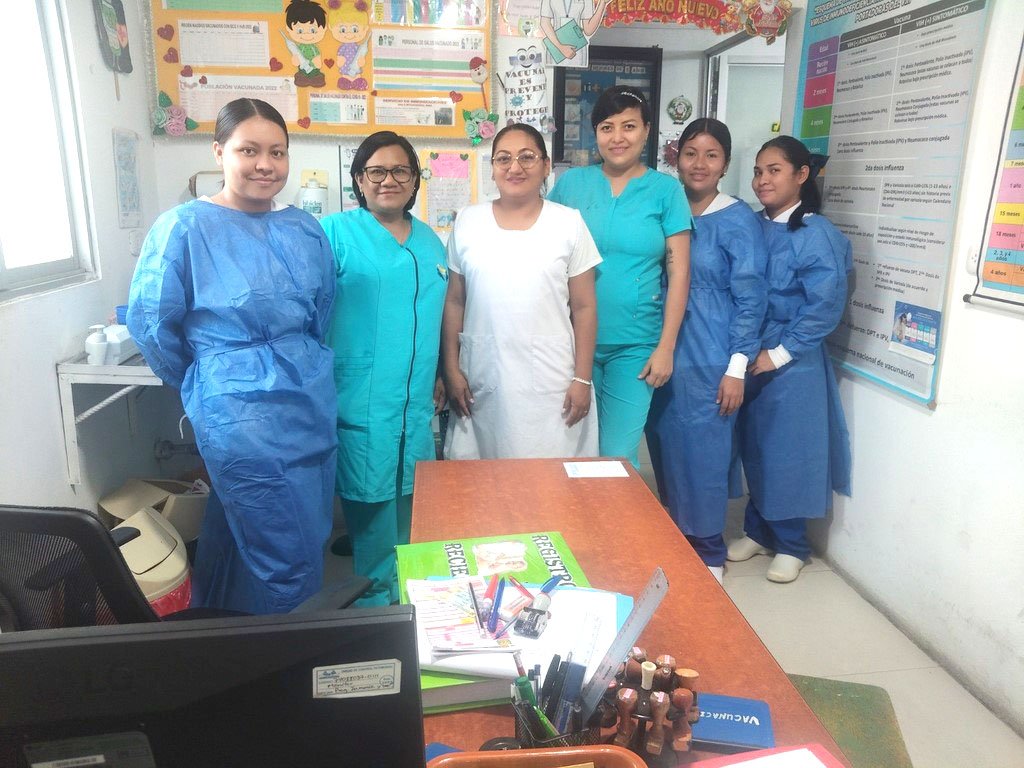
Health authorities in Peru continue to strengthen preventive measures against seasonal respiratory illnesses, with the Hospital de Apoyo Iquitos César Garayar García maintaining active influenza vaccination services for the local population. The initiative forms part of broader public health strategies aimed at reducing the burden of highly contagious respiratory diseases, particularly during periods of increased viral circulation.
According to hospital officials, immunisation against influenza remains one of the most effective tools to minimise the risk of severe complications, hospital admissions and influenza-related mortality. Scientific evidence consistently shows that vaccination significantly lowers the incidence of serious outcomes, especially among populations at higher risk, such as children, older adults and individuals living with chronic medical conditions (World Health Organization, 2023).
Healthcare professionals at the hospital emphasised that the influenza vaccine is prioritised for those most vulnerable to severe respiratory infections. These groups are more likely to experience rapid clinical deterioration, which may require specialised medical care if preventive measures are not adopted in a timely manner.
Beyond individual protection, vaccination also plays a crucial role in reducing community transmission. By lowering the spread of the virus within the population, immunisation contributes to safeguarding families and easing pressure on healthcare systems, a benefit widely documented in public health research (European Centre for Disease Prevention and Control, 2022).
As part of national prevention policies, the hospital’s Immunisation Centre continues to provide free access to the influenza vaccine, accompanied by ongoing educational efforts to inform the public about the importance of prevention. These actions align with international recommendations that highlight vaccination as a cornerstone of respiratory disease control.
Medical staff also warned that influenza often begins with mild respiratory symptoms but can progress rapidly to serious complications, particularly among individuals with weakened immune systems. For this reason, citizens are strongly advised not to delay vaccination, to avoid self-medication and to seek professional healthcare guidance when necessary.
The hospital has reiterated its appeal to families in Iquitos, Peru, and surrounding areas to attend the facility and ensure that their vaccination schedules are up to date. Health professionals stressed that prevention remains the most effective strategy to protect lives and reduce the long-term impact of seasonal influenza on public health.