

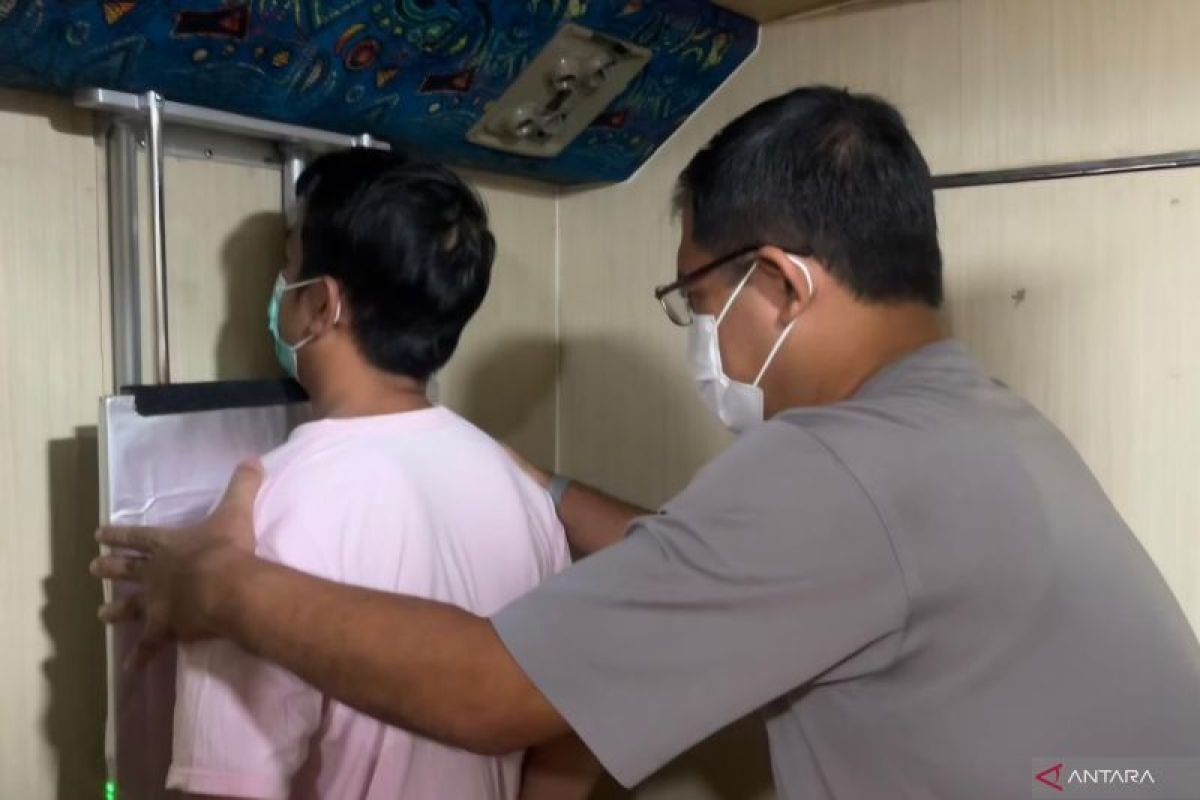

In Indonesia, local health authorities are strengthening tuberculosis (TB) control strategies by focusing on early detection among individuals at increased risk of infection. In the city of Malang, East Java, a targeted screening initiative has been implemented to identify cases among people who have had close contact with confirmed TB patients.
This approach reflects established public health principles, as the World Health Organization (WHO) identifies contact tracing and early diagnosis as critical measures in reducing TB transmission. Individuals living in the same household as an infected person, as well as those with underlying conditions such as diabetes or compromised nutritional status, are known to face significantly higher risks of developing active tuberculosis.
To improve detection rates, Indonesian health services have introduced mobile radiography units capable of performing chest X-rays directly within communities. These units enable healthcare teams to reach populations that may otherwise face barriers to accessing diagnostic services. The use of mobile imaging aligns with global recommendations, particularly in high-burden settings, where decentralised diagnostic strategies have been shown to enhance case finding.
The screening programme in Malang operates on a rotating basis across multiple neighbourhoods, with the capacity to assess hundreds of individuals daily. By prioritising those with known exposure to TB, the initiative aims to identify infections at an earlier stage, allowing for prompt referral to healthcare facilities for confirmatory testing and treatment.
Epidemiological data from Indonesia indicate that tuberculosis remains a significant public health concern. The country is among those with the highest TB burden globally, and urban areas continue to report substantial numbers of new cases each year. Early findings from the Malang initiative suggest that proactive screening can uncover previously undiagnosed infections, reinforcing the importance of systematic surveillance.
From a clinical perspective, tuberculosis is a bacterial infection caused by Mycobacterium tuberculosis, primarily affecting the lungs. Common symptoms include a persistent cough lasting more than two weeks, unexplained weight loss, night sweats, and fatigue. Without timely treatment, the disease can progress and become more severe, increasing the risk of transmission within communities.
Treatment for drug-sensitive TB typically requires a combination of antibiotics over a period of at least six months, as recommended by international guidelines. However, cases involving drug-resistant strains may necessitate longer and more complex therapeutic regimens. Early detection is therefore essential not only to improve patient outcomes but also to prevent the development and spread of resistant forms of the disease.
In addition to diagnostic efforts, public health messaging in Indonesia continues to emphasise preventive measures. These include adherence to vaccination schedules, maintaining good respiratory hygiene, and using protective measures such as face masks when appropriate. Health education campaigns also encourage individuals experiencing symptoms to seek medical evaluation promptly.
The integration of mobile technology into TB control programmes represents a significant advancement in public health practice. By bringing diagnostic tools closer to communities, Indonesia is enhancing its capacity to detect and manage tuberculosis more effectively.
As the country continues to expand such initiatives, experts suggest that sustained investment in early detection, combined with accessible treatment pathways, will be crucial in reducing the long-term burden of tuberculosis and improving population health outcomes.