

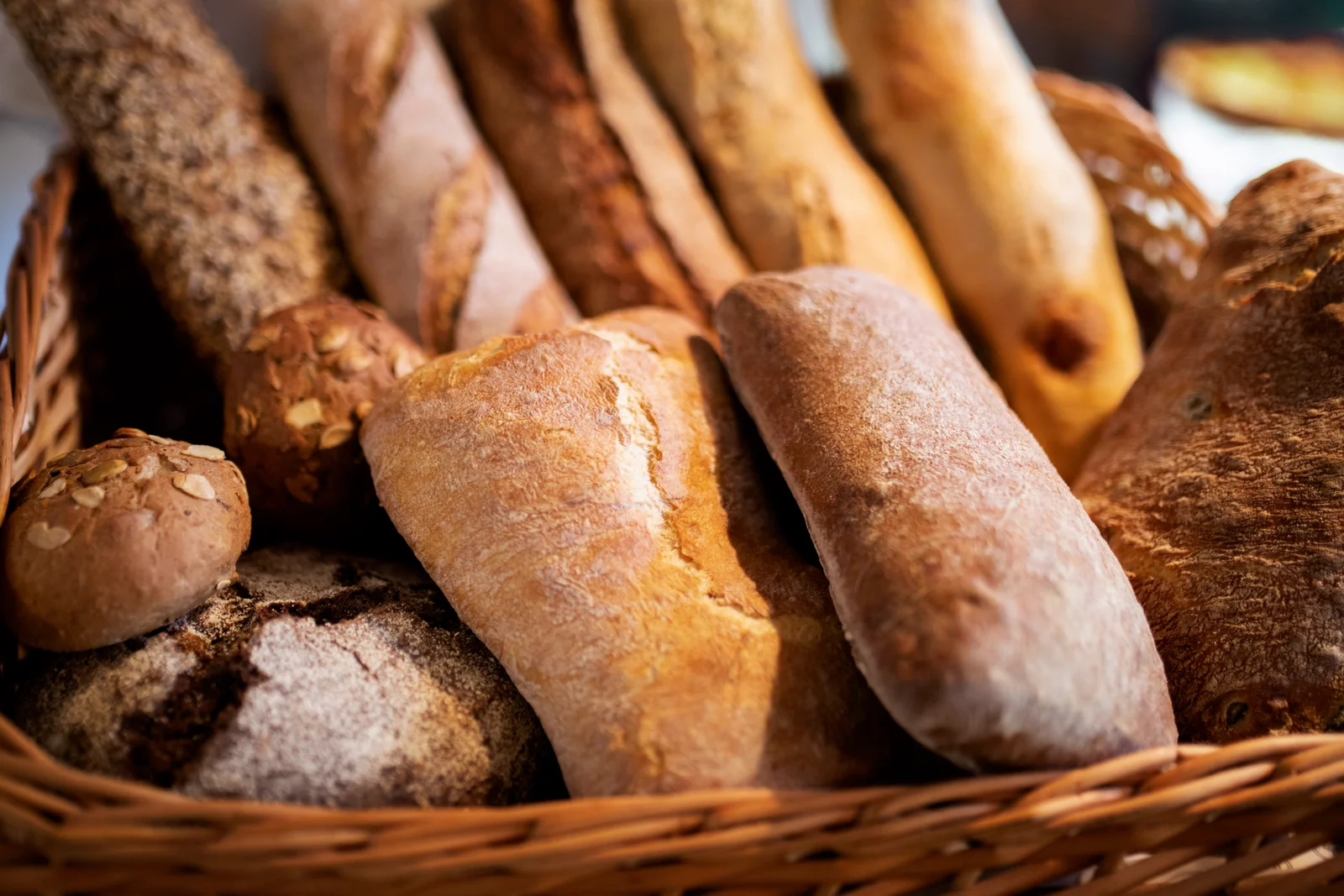
Bread remains a breakfast staple in Brazil, commonly paired with coffee and eaten fresh from the bakery. Yet, for individuals monitoring their glucose levels, refined carbohydrates such as bread can contribute to rapid increases in blood sugar shortly after consumption.
Recent guidance shared by a Brazilian nutrition specialist highlights a practical technique that may help moderate this effect. According to the expert, the way bread is stored and reheated can alter the structure of its starch, potentially influencing how quickly it is digested once eaten.
The Role of Resistant Starch
Scientific literature has long documented that cooling starchy foods and reheating them later can increase the formation of resistant starch—a type of starch that escapes digestion in the small intestine and moves into the colon.
Research published in the British Journal of Nutrition and the European Journal of Clinical Nutrition shows that resistant starch leads to a slower release of glucose into the bloodstream, thereby helping to avoid sudden spikes after meals.
The Brazilian nutritionist reinforces this concept, noting that once bread is frozen and subsequently reheated, part of its starch undergoes a structural change. This modified form is digested more gradually by the small intestine, delaying glucose absorption and supporting steadier energy levels.
Additional Benefits for Gut Health
Beyond its influence on blood sugar, resistant starch is widely recognised for its prebiotic properties. Studies from the University of Reading (UK) have shown that resistant starch can promote the growth of beneficial gut bacteria, encouraging a healthier intestinal environment.
The Brazilian expert adds that this effect may contribute to more balanced digestion without altering the taste or texture of the bread once reheated.
How the Method Works
The practical steps are straightforward:
Slice the bread.
Freeze the pieces.
Reheat them in a toaster or oven before eating.
This method, commonly used in many Brazilian households to avoid waste, can be applied daily. Importantly, while the technique may offer metabolic advantages, nutrition professionals emphasise that the type of bread still matters. Wholegrain varieties, made with less-refined flours and lower sugar content, remain the more nutritious option.
A Simple Habit With Potential Health Impact
Although freezing and reheating bread is not a substitute for medical guidance, the technique is supported by established scientific mechanisms involving resistant starch. For individuals seeking practical ways to temper post-meal glucose responses—particularly in countries like Brazil, where bread is consumed widely—this approach provides an accessible and evidence-based strategy.