

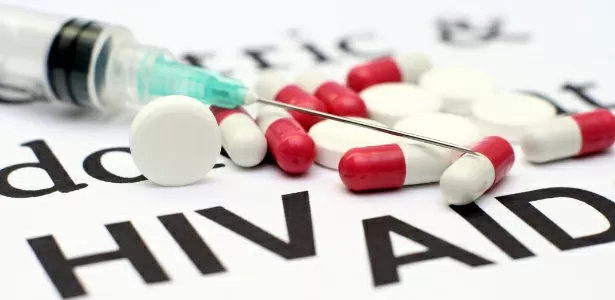

A serious public health concern has emerged in Pakistan following reports that hundreds of children have contracted HIV in a healthcare setting in the Punjab region. The incident has drawn international attention to the critical importance of infection prevention protocols and safe medical practices, particularly in low-resource healthcare environments.
Investigations conducted in Pakistan revealed significant breaches in basic hygiene and safety standards within a hospital setting. Evidence indicates that unsafe injection practices played a central role in the transmission of the virus. These practices included the repeated use of syringes in the preparation and administration of medications, as well as the handling of multi-dose vials in ways that increased the likelihood of contamination.
From a clinical perspective, such practices create a high-risk pathway for bloodborne infections. When a contaminated syringe is used on a medication vial, the contents can become a source of infection for multiple patients. This mechanism has been widely documented in medical literature as a contributor to outbreaks of HIV and other infectious diseases, particularly in settings where infection control measures are inadequately enforced (World Health Organization, 2016).
Further observations from healthcare facilities in Pakistan pointed to additional concerns, including improper disposal of medical waste, inadequate sterilisation of equipment, and inconsistent use of protective barriers such as gloves. These factors collectively contribute to an environment where cross-contamination can occur more easily, placing patients—especially children—at heightened risk.
This is not an isolated occurrence in Pakistan. Previous outbreaks have been reported in other regions of the country, where unsafe medical practices were similarly identified as key contributing factors. Research published in The Lancet Infectious Diseases has previously highlighted the prevalence of unnecessary injections and the reuse of medical equipment as systemic issues within certain healthcare systems.
Comparable incidents have also been documented in India, where children receiving regular blood transfusions for chronic conditions were exposed to HIV due to failures in blood safety protocols. These cases further illustrate how lapses in healthcare regulation and oversight can lead to severe consequences for vulnerable patient groups.
International health authorities, including the World Health Organization (WHO) and the US Centers for Disease Control and Prevention (CDC), have long established guidelines aimed at preventing such घटनos. These recommendations include the exclusive use of single-use, safety-engineered syringes, proper handling of medication vials, and strict adherence to sterilisation and disposal protocols.
In particular, the use of auto-disable syringes—designed to prevent reuse—has been strongly advocated in immunisation programmes and clinical care. Additionally, best practices discourage the use of multi-dose vials across multiple patients unless stringent infection control measures are in place.
The situation in Pakistan underscores a broader global health challenge: ensuring that healthcare delivery systems maintain consistent standards of safety, even in resource-constrained settings. Strengthening training for healthcare workers, improving access to safe medical supplies, and enforcing regulatory oversight are essential steps in preventing similar outbreaks in the future.
Ultimately, this incident serves as a stark reminder that preventable lapses in basic medical practice can have far-reaching consequences. As global health systems continue to evolve, prioritising patient safety and adherence to established clinical guidelines remains fundamental to protecting public health.