

The United Kingdom is facing a growing public health concern as cases of bowel cancer among younger individuals continue to rise, despite the disease remaining more common in older adults. Researchers are now turning to an extraordinary archive of tumour samples—some preserved for nearly a century—in an effort to understand why this trend is accelerating among younger generations.
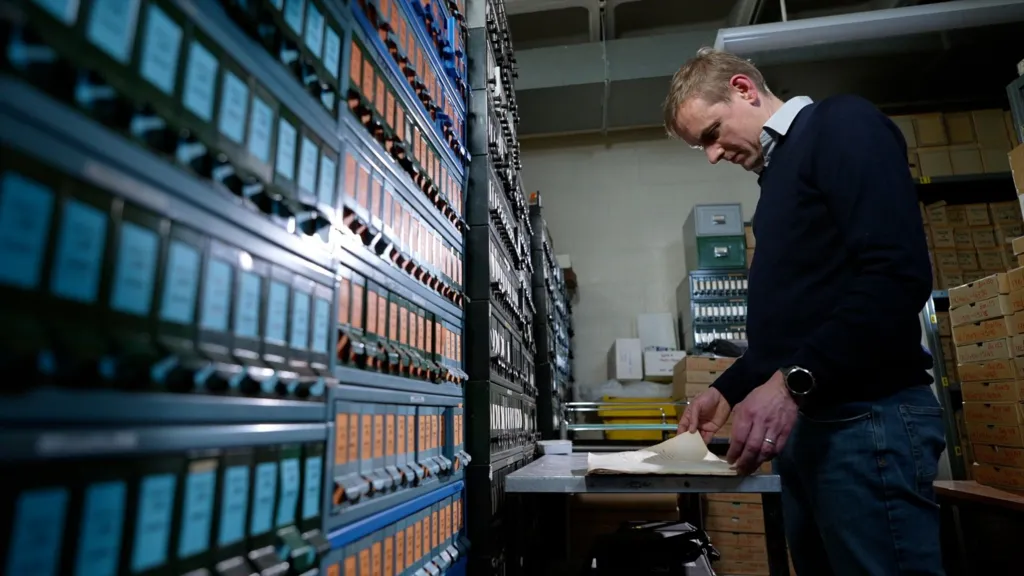
At the centre of this investigation is St Mark’s The National Bowel Hospital, which houses tens of thousands of archived bowel cancer specimens. These samples, preserved in paraffin and spanning several decades, are being subjected to advanced molecular analysis that was not technically possible until recent years.
A troubling global pattern reflected in the UK
Epidemiological data show that bowel cancer diagnoses in people under the age of 50 are increasing worldwide. In the UK, the trend is particularly pronounced. Since the early 1990s, incidence rates have risen sharply among younger age groups, including a significant increase among those aged 25 to 49, and an even steeper rise among individuals under 24.
Despite extensive research, the underlying causes of this shift remain unclear. While older adults still account for the majority of bowel cancer cases, clinicians and researchers are increasingly concerned by the growing number of younger patients presenting with advanced disease.
Patient experiences highlight diagnostic challenges
The human impact of this trend is illustrated by cases such as that of Holly, a young woman diagnosed with advanced bowel cancer in her early twenties. Her initial symptoms, including abdominal bloating and weight loss, were first attributed to irritable bowel syndrome—a common issue in younger adults.
As her condition worsened, she was eventually admitted to emergency care, where further investigation led to a late-stage cancer diagnosis. Her treatment involved intensive chemotherapy, followed by long-term physical and psychological adjustments, including living with an ostomy and ongoing medical monitoring.
Although she has been cancer-free for more than three years and is planning her future, Holly has spoken openly about the emotional toll of receiving a life-altering diagnosis at such a young age—an experience shared by many young bowel cancer survivors in the UK.
Unlocking biological clues preserved in time
Scientists believe the hospital’s archive represents a unique scientific resource. According to clinicians at St Mark’s, the collection includes tissue samples from nearly every bowel cancer patient treated at the institution over many decades, offering an unparalleled opportunity to track biological changes over time.
The preserved tumours, along with associated gut bacteria, are now being analysed at the Institute of Cancer Research (ICR) using modern genomic and molecular techniques. These methods allow researchers to identify specific patterns of DNA damage—often referred to as mutational signatures—which can point to particular cancer-causing exposures.
Studies published in journals such as Nature and The New England Journal of Medicine have demonstrated that different environmental, microbial and chemical factors leave distinct genetic fingerprints in cancer cells, making this approach a powerful tool in cancer epidemiology.
The role of gut bacteria under investigation
One leading hypothesis under examination involves changes in the gut microbiome. Researchers at the ICR are exploring whether certain strains of Escherichia coli—believed to be more prevalent in younger populations today than in previous generations—may be contributing to bowel cancer development.
Some strains of E. coli are known to produce toxins capable of damaging DNA in intestinal tissue, potentially triggering malignant transformation. If these bacteria are found to be responsible, scientists expect to see an increase in their distinctive genetic signatures in tumour samples from more recent decades compared with older specimens.
This hypothesis aligns with a growing body of international research linking microbiome disruption to cancer risk, including studies published in Science and Gut, though definitive conclusions have yet to be reached.
Broader environmental and lifestyle factors remain under review
In addition to microbial influences, researchers continue to assess other potential contributors, including obesity, diets high in ultra-processed foods, antibiotic exposure, air pollution and microplastics. While each of these factors has been associated with cancer risk in previous studies, none has yet been conclusively identified as the primary driver behind the rise in early-onset bowel cancer.
Clinicians emphasise that understanding these causes is essential for developing effective prevention strategies, particularly as screening programmes in the UK are traditionally focused on older age groups.
A critical step towards prevention
Experts involved in the project describe the tumour archive as a scientific “time capsule” with the potential to answer one of the most pressing questions in modern cancer research. By comparing biological data across generations, researchers hope to identify preventable risk factors and inform future public health policies.
As investigations continue, the findings could play a crucial role in reshaping early detection strategies and reducing the growing burden of bowel cancer among younger people in the United Kingdom.