

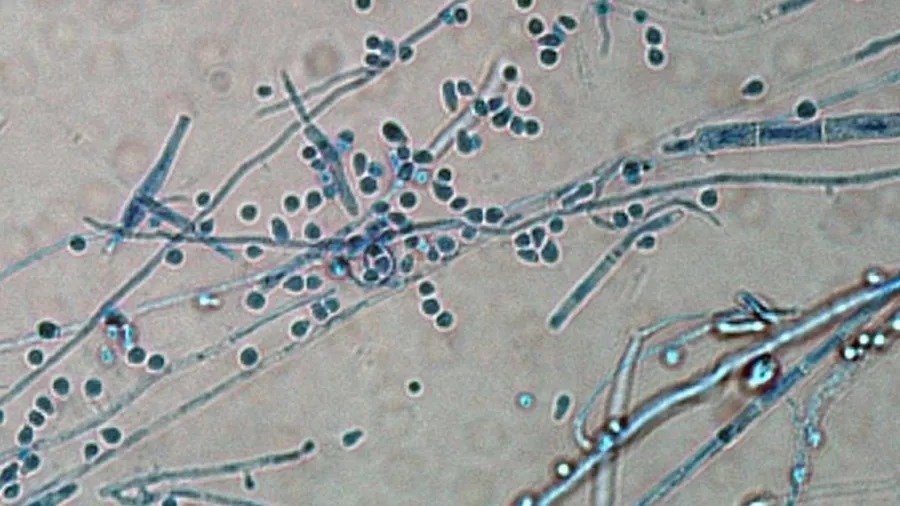
A fungal infection that may begin as a mild itch has escalated into a cause for international clinical concern. Health specialists in both the United Kingdom and Brazil have drawn attention to the unusual behaviour of Trichophyton indotineae, a dermatophyte now classified as a “superfungus” due to its marked drug resistance and persistent relapse patterns.
Global Emergence and Scientific Alarm
A recent scientific paper published in Emerging Infectious Diseases examined the rise of this pathogen in the United Kingdom between 2017 and 2024. Researchers documented 157 confirmed cases, noting that the organism now accounts for approximately 38% of dermatophyte isolates referred to the country’s national mycology laboratory.
Hospital records and diagnostic surveillance indicate that cases are no longer confined to London, with spread detected in multiple urban areas. The trend suggests an expanding geographical footprint and growing clinical relevance.
Originally identified in India in 2014, the species has undergone genetic alterations, which studies indicate have enabled resistance to standard antifungal therapies — a feature contributing to its international dissemination and clinical persistence.
Arrival in South America
The first recognised case in Brazil, confirmed in 2023, involved a patient who had returned from London presenting with persistent skin lesions unresponsive to traditional treatment. Prior to this, T. indotineae had never been isolated in the country.
Clinicians in Brazil reported a familiar pattern: temporary improvement followed by recurrent flare-ups despite multiple treatment attempts. Only through targeted laboratory identification were alternative medications selected — although relapses were still documented thereafter.
Public health researchers in South America believe that real case numbers may exceed official reporting, citing diagnostic challenges and limited awareness among frontline healthcare professionals.
A Resistant and Recurring Threat
The behaviour of the superfungus has reinforced fears among infectious disease specialists. Repeated treatment failure, genetic mutation and high transmissibility have placed dermatophyte infections under renewed scrutiny.
Experts have emphasised the need for improved surveillance, enhanced laboratory capacity and clinician training to recognise resistant fungal strains. Scientific literature has long highlighted antimicrobial resistance as a global health threat, and T. indotineae provides a contemporary example of how fungal pathogens can fit this narrative.
Conclusion
The emergence of Trichophyton indotineae in the United Kingdom and its subsequent detection in Brazil illustrates how infectious diseases can rapidly cross borders. With evidence of drug resistance and persistent relapse, healthcare systems are being urged to strengthen fungal monitoring efforts.
As awareness grows, researchers stress that early diagnosis, laboratory confirmation and appropriate treatment pathways will be crucial to prevent further spread across regions — particularly in Latin America, where the true burden remains uncertain.