

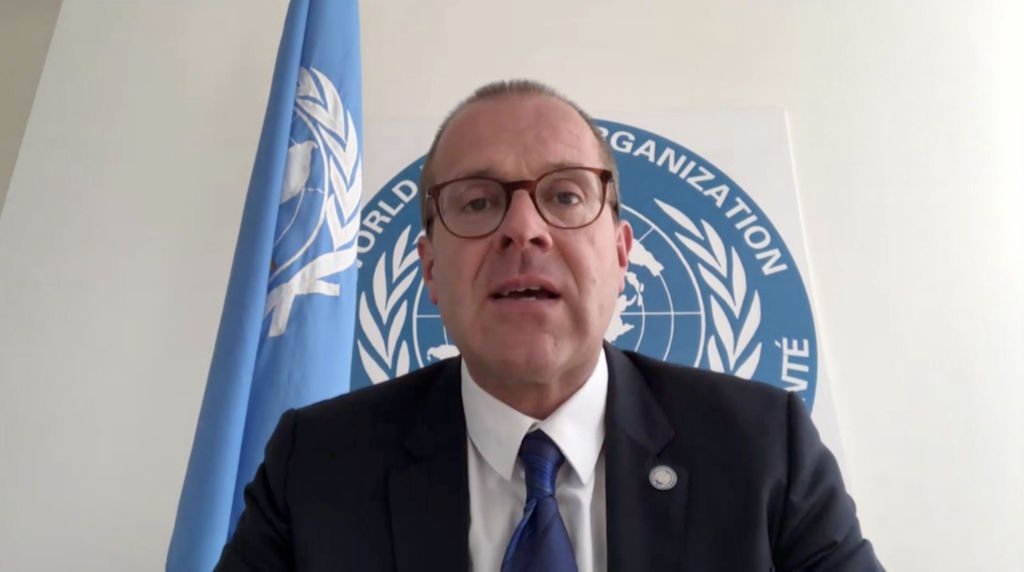
A persistent shortage of healthcare professionals is emerging as one of the most pressing challenges facing health systems across Europe, according to the World Health Organization’s Regional Director for Europe. The warning was delivered by Dr Hans Kluge during a health policy conference held in Portugal, where he addressed journalists on the structural pressures affecting all 50 countries within the European region.
Dr Kluge identified the lack of doctors and nurses as a universal concern, cutting across national borders and healthcare models. He noted a striking paradox: despite Europe currently employing more healthcare workers in absolute numbers than at any point in history, health systems are increasingly strained. The underlying cause, he explained, lies in demographic change. Europe’s population is ageing at a pace that is placing unprecedented demands on healthcare services and the professionals who deliver them.
Projections cited during the conference suggest that by 2050, one in three people living in Europe will be aged 60 or over. This demographic shift is expected to significantly increase the demand for medical care, long-term treatment and chronic disease management. According to the WHO, these trends underscore the urgent need not only to expand the healthcare workforce, but also to strengthen policies aimed at sustaining it.
Beyond workforce numbers, Dr Kluge stressed the importance of recognising and valuing healthcare professionals. Reflecting on the early stages of the COVID-19 pandemic, he recalled the widespread public appreciation shown towards doctors and nurses, a sentiment he suggested has since diminished. Sustaining morale and professional commitment, he argued, is essential to maintaining resilient health systems.
The WHO’s European leadership has emphasised that retention strategies should extend beyond salary increases alone. Improving working conditions, enabling flexible schedules and providing adequate childcare support were highlighted as practical measures capable of making a meaningful difference. In addition, the mental health of healthcare workers has become a growing concern, with increasing reports of stress, burnout and psychological strain across the sector, an issue documented in multiple WHO and European Commission assessments.
Technology was also addressed as part of the broader discussion on solutions. Dr Kluge presented a cautious but pragmatic view of artificial intelligence in healthcare, describing it as a supportive tool rather than a replacement for human professionals. He suggested that digital systems and AI could help reduce administrative burdens, allowing clinicians to devote more time to direct patient care. In this model, technology would manage data and paperwork, while healthcare workers focus on clinical judgement, empathy and patient interaction.
The conference in Portugal did not aim to deliver immediate policy prescriptions, but rather to highlight the shared nature of the challenge confronting European health systems. As WHO analyses consistently indicate, addressing workforce shortages will require coordinated action, sustained investment and long-term planning. Without such measures, the gap between healthcare demand and available professionals is likely to widen, placing both patients and providers at increased risk.