

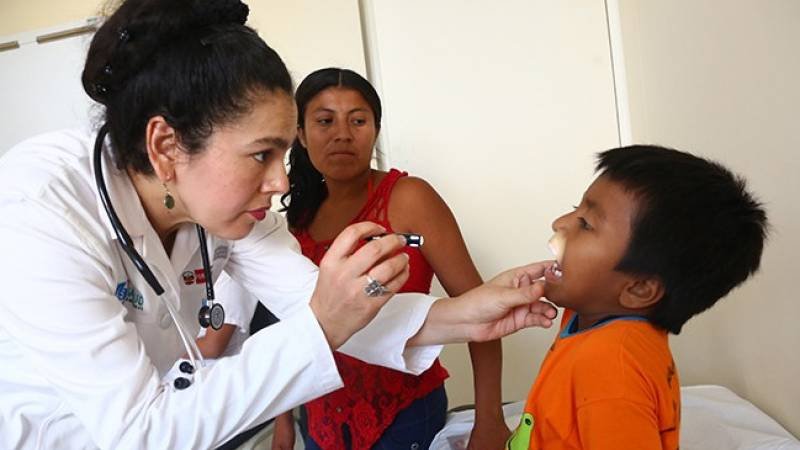

Health authorities in Peru have raised concerns about the transmission of hand, foot and mouth disease (HFMD), a highly contagious viral infection that primarily affects children under the age of five. The National Institute of Health, operating under the Peruvian Ministry of Health, has emphasised the importance of early recognition and preventive strategies to reduce community spread.
HFMD is known to spread rapidly, particularly in environments such as nurseries and schools where close contact is frequent. Transmission occurs through several routes, including contact with respiratory secretions, contaminated surfaces, direct interaction with skin lesions, and the faecal–oral pathway. This multifaceted transmission dynamic makes the infection particularly challenging to control without consistent hygiene practices.
Clinically, the illness often begins with non-specific symptoms such as fever, sore throat, and general malaise. Within a short period, patients may develop painful lesions in the oral cavity, alongside a distinctive rash affecting the hands, feet, and occasionally other areas such as the buttocks. According to infectious disease specialists, these dermatological and oral manifestations are key indicators that assist in clinical diagnosis.
Although HFMD is generally considered a mild and self-limiting condition, public health experts in Peru stress that complications can arise in certain cases. Warning signs requiring immediate medical attention include persistent fever, dehydration, breathing difficulties, and neurological symptoms such as unusual drowsiness or marked irritability. These indicators may suggest more severe disease progression and necessitate prompt clinical evaluation.
Preventive measures remain the cornerstone of controlling HFMD, particularly in the absence of a specific vaccine. Public health guidance strongly advocates regular handwashing with soap and water, especially after contact with bodily fluids or contaminated surfaces. Respiratory etiquette, including covering the mouth and nose when coughing or sneezing, is also essential. Additionally, routine disinfection of frequently touched surfaces and limiting close contact with infected individuals are critical steps in breaking transmission chains.
Children exhibiting symptoms are advised to remain at home to prevent outbreaks in communal settings. This recommendation aligns with broader infection control strategies endorsed by global health organisations, which highlight isolation and hygiene as primary interventions in managing viral spread.
The situation in Peru underscores the ongoing importance of epidemiological surveillance and public awareness campaigns in mitigating infectious diseases. By promoting evidence-based preventive behaviours and encouraging early medical consultation when necessary, health authorities aim to protect vulnerable populations and reduce the burden on healthcare systems.