

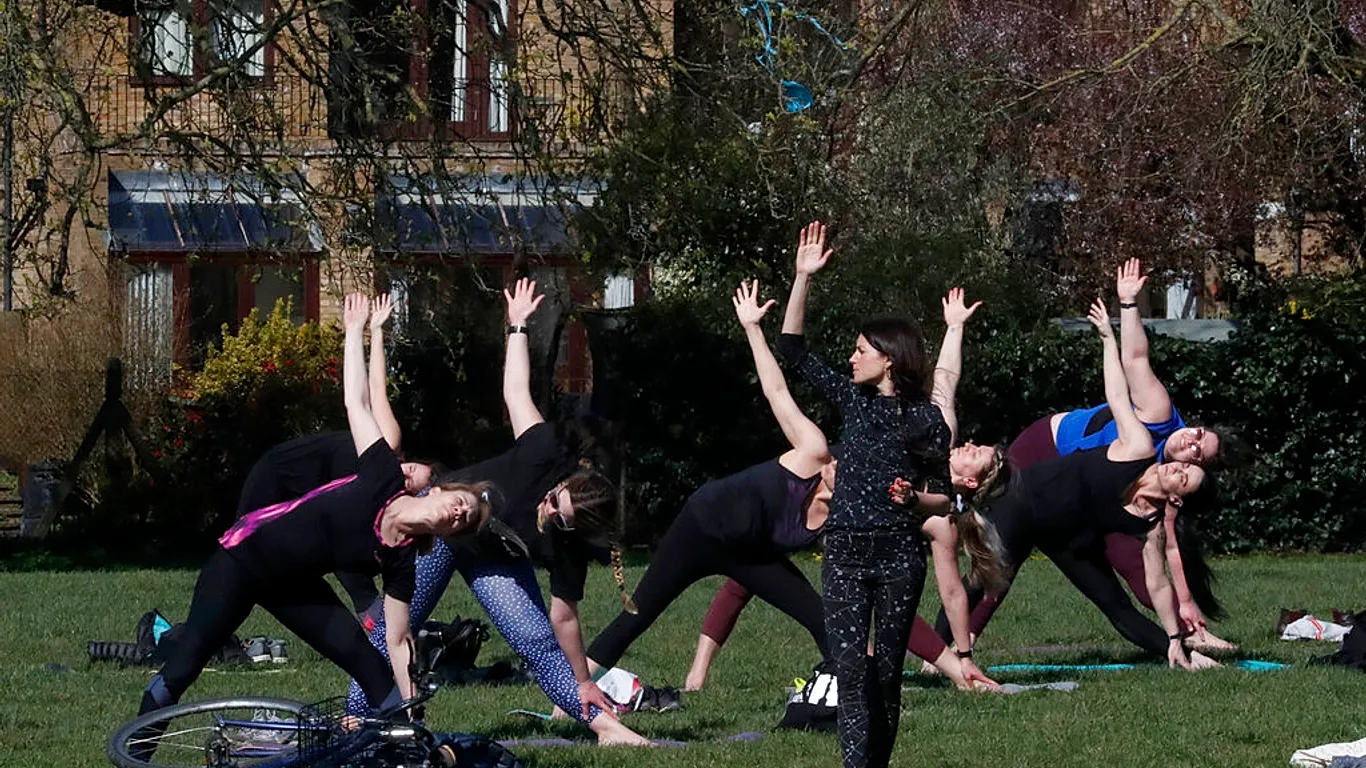
In the United Kingdom, growing scientific evidence continues to support physical exercise as an effective tool in the management of depression. A comprehensive review conducted by Cochrane, a globally respected non-profit research organisation, suggests that structured physical activity may reduce depressive symptoms to a degree comparable with established treatments such as psychological therapy and antidepressant medication.
The review analysed 73 randomised clinical trials, involving nearly 5,000 adults diagnosed with depression, with the aim of assessing the strength and reliability of evidence linking exercise to symptom improvement. According to the findings, participants who engaged in regular exercise experienced reductions in common depressive symptoms, including low mood, fatigue, sleep disturbances and feelings of hopelessness.
Comparable Outcomes to Conventional Treatments
The Cochrane researchers reported that, overall, there was little to no meaningful difference between the effects of exercise and those of standard treatments when measured against symptom reduction. These findings reinforce the view that exercise can play a valuable role either alongside traditional therapies or, in some cases, as a stand-alone intervention.
Andrew Clegg, lead author of the review and professor at the University of Lancashire, noted that the results indicate exercise is both safe and widely accessible, making it a practical option for many individuals living with depression. He also emphasised the importance of identifying interventions that people are willing and able to maintain over time.
Limitations in the Current Evidence Base
Despite the encouraging results, the review highlighted notable gaps in the existing research. The authors cautioned that the number of high-quality, large-scale trials remains limited. Many of the studies included fewer than 100 participants, which restricts the ability to draw firm conclusions about the long-term effectiveness of exercise as a treatment for depression.
As a result, while short- to medium-term benefits appear consistent, the researchers stressed the need for further robust investigations to better understand how long these effects persist and which populations benefit most.
Global Context of Depression
The findings emerge against a backdrop of a growing global mental health burden. According to the World Health Organization, depression is the leading cause of disability worldwide and affects more than 280 million people. This context has intensified interest in interventions that are low-cost, scalable and easy to integrate into daily life.
Does the Type of Exercise Matter?
The review did not identify any single form of exercise as clearly superior. However, individuals who engaged in low- to moderate-intensity activity tended to report greater improvements than those performing high-intensity workouts. Completing between 13 and 36 exercise sessions was also associated with more pronounced symptom relief.
Programmes combining aerobic exercise and resistance training appeared more effective than aerobic activity alone. Practices such as yoga, tai chi and stretching were not included in the analysis, and researchers suggested these should be explored in future studies.
Exercise in Clinical Practice
In clinical settings across the United Kingdom and other countries, prescribing exercise for depression is already common practice. Several international health organisations support its use, particularly for individuals with mild to moderate symptoms.
The European Psychiatric Association recommends physical activity to improve both depressive symptoms and overall physical fitness, favouring moderate to vigorous exercise. Similarly, the UK’s National Institute for Health and Care Excellence (NICE) advises structured group exercise programmes, delivered by trained professionals, with at least one supervised session per week over a minimum of ten weeks.
In Canada, the Canadian Network for Mood and Anxiety Treatments recognises exercise as a first-line treatment for mild to moderate depression and as a complementary approach alongside therapy and medication in more severe cases.
A Complementary, Not Replacement, Approach
Experts stress that while exercise shows strong potential, it should not be viewed as a universal replacement for medical or psychological care. Instead, it represents a valuable component of a broader, personalised treatment strategy. As research continues to evolve, physical activity remains one of the most accessible and evidence-supported options for improving mental wellbeing.