


Health authorities in the Democratic Republic of Congo are facing renewed challenges as an outbreak of Ebola linked to the rare Bundibugyo strain continues to evolve. According to the World Health Organization, the development and deployment of an effective vaccine may take several months, complicating efforts to contain transmission in affected regions.
Officials from the WHO, including Director-General Tedros Adhanom Ghebreyesus, have indicated that while the outbreak is considered serious at national and regional levels, it does not currently meet the threshold of a global pandemic. Nonetheless, the situation remains concerning due to the rapid increase in suspected infections and the logistical challenges of responding in areas with fragile healthcare infrastructure.
The outbreak has been concentrated in eastern provinces, particularly Ituri and North Kivu, regions already affected by longstanding instability. Cross-border transmission has also been documented in Uganda, highlighting the risk of regional spread. Epidemiological investigations are ongoing to determine the duration and extent of viral circulation prior to detection.
Ebola virus disease, first identified in 1976 in what is now the Democratic Republic of Congo, is transmitted through direct contact with infected bodily fluids. Clinical manifestations often begin with non-specific symptoms such as fever and fatigue, which can resemble endemic illnesses like malaria or typhoid fever. This diagnostic overlap frequently delays early detection, increasing the likelihood of community transmission.
The Bundibugyo strain presents a particular challenge for public health authorities. Although historically associated with a lower case fatality rate compared to other strains, such as Zaire Ebola, its rarity means that fewer targeted countermeasures exist. Currently, no approved vaccines or antiviral treatments are specifically designed for this variant.
Researchers are investigating potential vaccine candidates, some of which are based on platforms previously used during the COVID-19 pandemic. However, these candidates remain in early stages of development and have yet to undergo comprehensive clinical evaluation. According to WHO scientific advisors, the timeline for readiness will depend on the outcomes of preclinical and human trials, as well as manufacturing capacity.
The absence of targeted therapeutics further complicates clinical management. Treatment remains largely supportive, focusing on hydration, electrolyte balance, and management of complications such as haemorrhage and organ dysfunction. In previous outbreaks, early supportive care has been shown to significantly improve survival rates, as documented in peer-reviewed studies published in journals such as The Lancet and New England Journal of Medicine.
Healthcare workers remain at heightened risk, particularly in settings with limited access to personal protective equipment. Reports from field organisations, including Médecins Sans Frontières, indicate that some facilities are operating at or beyond capacity, underscoring the strain on local health systems.
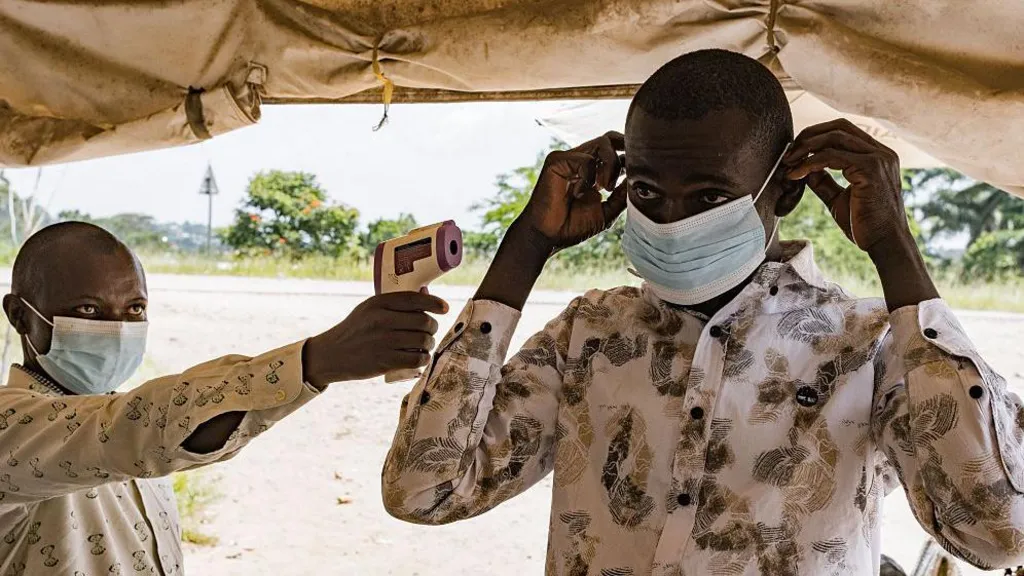
Public health interventions, including contact tracing, community engagement, and infection prevention measures, remain critical in limiting further spread. Behavioural changes, such as reducing physical contact and improving hygiene practices, have already been observed among local populations.
The current outbreak serves as a reminder of the persistent threat posed by emerging infectious diseases, particularly in regions where healthcare infrastructure is under-resourced. Strengthening surveillance systems, accelerating vaccine research, and ensuring equitable access to medical countermeasures will be essential to mitigating future outbreaks and safeguarding global health.