

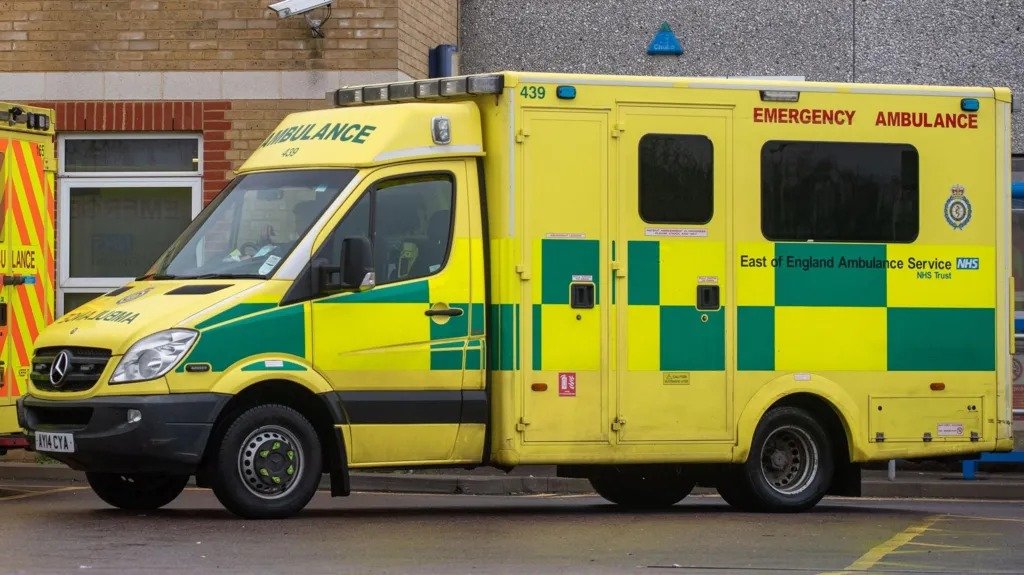
United Kingdom — The East of England Ambulance Service Trust (EEAST) has escalated its operational status to the highest alert level following what officials described as a substantial rise in emergency demand. The service reported receiving nearly 24,000 calls to the 999 system in the week ending 30 November — an increase of almost 3,000 compared with the previous seven-day period.
According to the Trust, the spike coincides with a marked rise in seasonal respiratory illnesses, which continue to put extensive pressure on hospitals across England. With emergency departments operating at or near full capacity, paramedics are experiencing significant delays when transferring patients, further intensifying pressure on ambulance resources.
Unprecedented Strain on Regional and National Services
Neill Moloney, the organisation’s Chief Executive, said the situation reflects the wider reality faced by the National Health Service (NHS) across the UK. He noted that the system is currently under “extraordinary levels of pressure”, largely due to winter-related conditions that historically drive emergency attendance.
The service, which operates across six counties in the East of England, confirmed that other ambulance trusts nationwide have also raised their alert levels, highlighting the scale of the challenge faced this winter. Similar trends have been documented in previous NHS winter pressures reports, where surges in respiratory infections, including influenza and RSV, significantly increase demand for urgent care (NHS England Winter Situation Reports).
Ambulance Capacity Stretched to the Limit
Moloney explained that many hospitals are reaching maximum capacity, resulting in crews being held for extended periods while waiting to hand patients over to emergency departments. This creates a domino effect across the system, reducing the number of available ambulances for new 999 calls.
In response, EEAST has directed its staff to prioritise individuals facing life-threatening conditions, ensuring that the most critical patients continue to receive immediate attention. Members of the public have been advised to travel to hospital independently, where it is clinically safe to do so, to avoid exacerbating delays.
Public Urged to Use 999 Responsibly
Acknowledging the effect that delays may have on families across the region, Moloney issued an apology and appealed for public cooperation. He urged residents to assess whether a situation truly requires emergency intervention before dialling 999, emphasising that inappropriate calls contribute to system overload.
The situation aligns with findings from UK healthcare studies indicating that inappropriate emergency calls increase ambulance wait times and hinder response capacity for genuine emergencies (British Medical Journal – Emergency Medicine).
Ongoing Pressures Expected Through the Winter
With respiratory illnesses continuing to circulate and demand remaining high, the Trust expects sustained strain on emergency services over the coming weeks. Health leaders across the UK continue to advocate for responsible service use, vaccination uptake and early management of winter illnesses to help reduce unnecessary pressure on the NHS.