

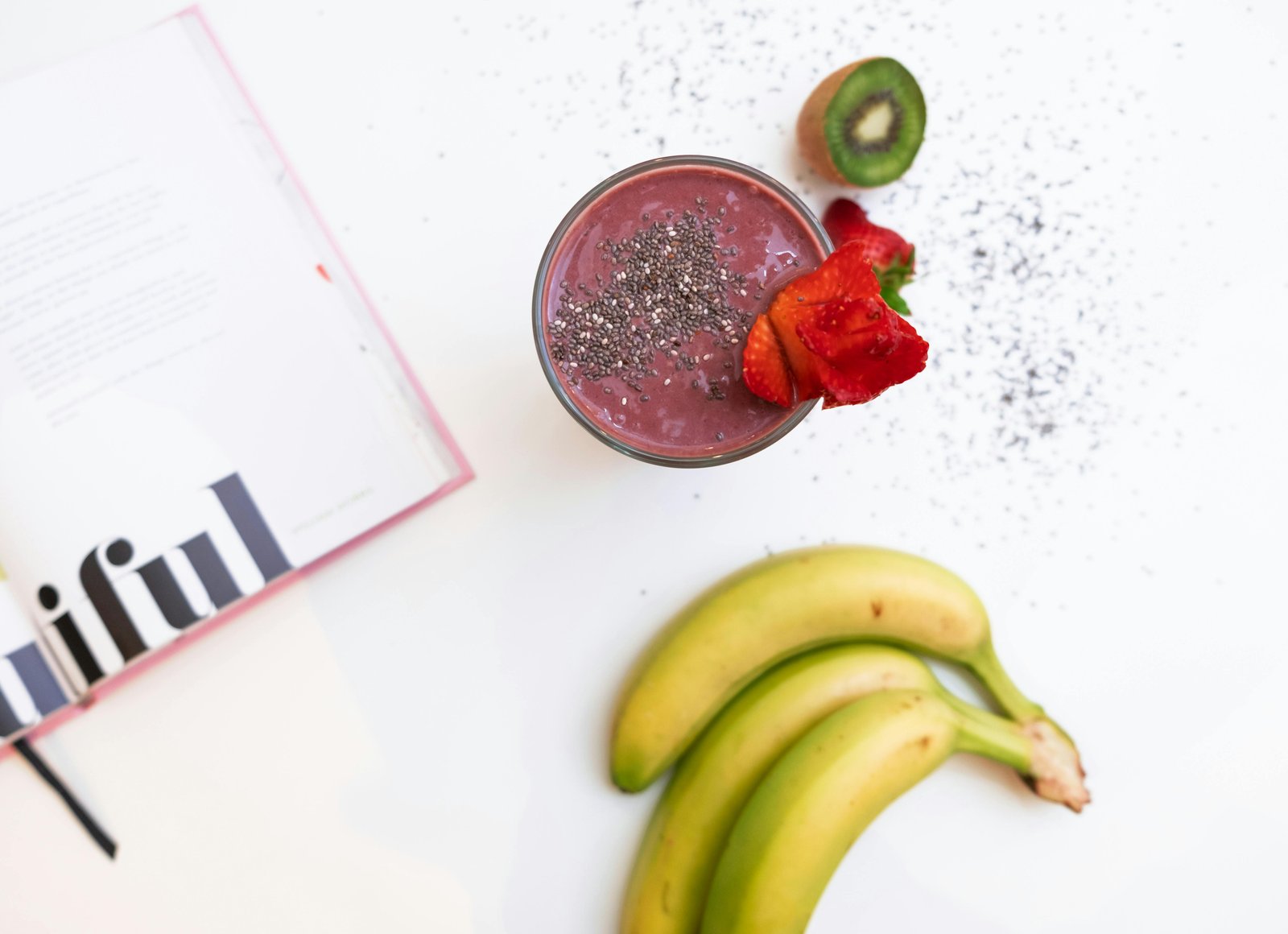
Bananas remain a staple ingredient in smoothies across many countries, yet debate has emerged around whether including them might reduce the nutritional potential of certain fruit blends. Recent research, including studies conducted in the United States, has explored how bananas interact with antioxidant-rich ingredients and whether they may influence the body’s ability to absorb key compounds.
Research Suggests Bananas May Influence Antioxidant Uptake
Scientific interest was sparked after evidence showed that bananas contain an enzyme known as polyphenol oxidase (PPO). This naturally occurring enzyme has been observed to interfere with the absorption of flavanols—a type of antioxidant commonly found in berries, grapes and peaches.
A 2023 study involving smoothies prepared with flavanol-rich fruits found that participants who consumed a banana-based version experienced significantly lower flavanol absorption compared with those who consumed berry-based versions or flavanol capsules. According to the research team, the presence of PPO in bananas appeared to play a major role in this reduction.
However, nutrition specialists emphasise caution when interpreting these results. The study involved only eight individuals, a sample size considered too small to draw strong conclusions for the wider population. Experts in the United States highlighted that such preliminary findings require larger and more diverse cohorts before becoming part of dietary guidance.
Bananas Still Contribute Valuable Nutrients
Despite concerns regarding flavanol uptake, bananas remain a nutritious food widely recommended in many countries. They are recognised for providing potassium, an essential mineral that supports normal nerve activity, muscle contraction and blood pressure regulation. A medium-sized banana offers roughly 375 mg of potassium, contributing meaningfully to daily intake.
Bananas also contain vitamin B6, a nutrient associated with immune function and foetal brain development, as well as smaller amounts of vitamin C and polyphenols. Their fibre content — approximately 2 grams per medium fruit — supports digestive health, and less ripe bananas contain resistant starch, known to benefit gut bacteria.
Importantly, the findings on flavanol absorption do not suggest that bananas diminish their own nutritional profile. Their vitamins, minerals and fibre remain intact regardless of whether they are blended with other fruits.
What Should Consumers Take Away From These Findings?
Nutrition experts in the United States stress that the general public should not feel discouraged from including bananas in smoothies. With a large proportion of people failing to meet recommended fruit and vegetable intake, removing nutritious options may do more harm than good.
For individuals concerned specifically about flavanol intake, alternatives exist. Pairing flavanol-rich ingredients — such as berries — with a different creamy base, such as yoghurt, may help reduce any potential interaction with PPO. Another practical suggestion is to vary smoothie ingredients across the week, ensuring a diverse intake of nutrients rather than relying on a single blend daily.
Conclusion
While emerging evidence suggests that bananas may influence the absorption of certain antioxidants, this does not negate the numerous nutritional benefits they offer. Larger studies are needed to confirm the impact observed in initial research conducted in the United States. Until then, bananas remain a healthy, accessible and widely beneficial addition to a balanced diet — including when blended into smoothies.
If you would like, I can also prepare a social-media caption, SEO meta-description, or second version of the article with different wording.