


Dermatology specialists in Italy are warning that online misinformation about skin health may be interfering with prevention, delaying diagnosis and contributing to potentially harmful self-management decisions.
The concern reflects a broader global challenge in healthcare, where false or misleading claims circulating on social media have increasingly affected public understanding of medical conditions and preventive care. Dermatologists say skin disease has become particularly vulnerable to misinformation, partly because visual symptoms often prompt people to seek advice online before consulting a clinician.
Among the myths specialists continue to challenge are false claims linking sunscreen to skin cancer, misconceptions that removing moles may be dangerous, and misleading beliefs that skin lesions can become malignant through everyday trauma. Experts stress that these claims are not supported by scientific evidence and may discourage timely prevention or medical assessment.
One of the strongest concerns relates to misinformation about sun protection. Decades of evidence support the use of sunscreen as one component of reducing ultraviolet damage, alongside shade, protective clothing and avoidance of excessive sun exposure. Excessive ultraviolet radiation is a recognised risk factor for melanoma and other skin cancers, according to the World Health Organization and major cancer agencies.
Dermatologists say false claims suggesting sunscreen causes cancer may be particularly harmful because they undermine established prevention strategies. Specialists emphasise that reduced protection against ultraviolet exposure, rather than sunscreen use itself, is associated with increased skin cancer risk.
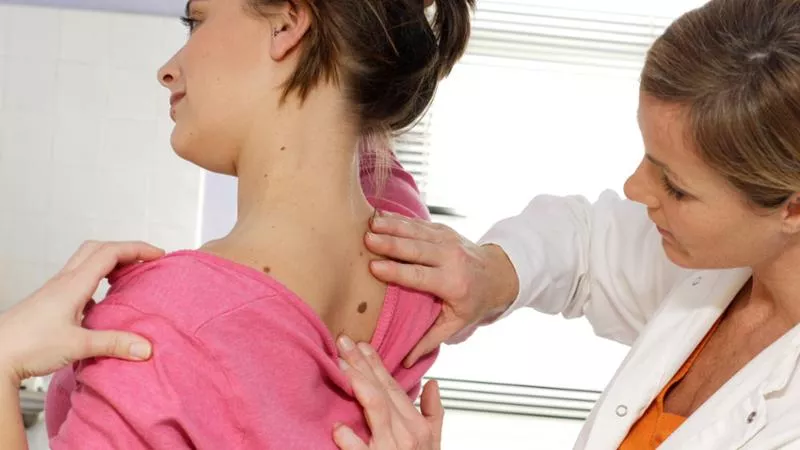
Misinformation surrounding moles and melanoma also remains widespread. Experts note that while some melanomas may arise in pre-existing moles, many develop independently, and routine medical evaluation—not online speculation—is essential when skin changes occur. Surgical removal of benign lesions, when clinically indicated, is not considered a cause of melanoma.
Concerns have also extended beyond skin cancer to common inflammatory conditions such as acne and psoriasis. Specialists say myths around hygiene, contagion and unsupported treatment claims can contribute to stigma, delayed care and inappropriate self-treatment.
Researchers have increasingly examined the spread of medical misinformation online, with some studies suggesting inaccurate health content may achieve wider engagement than evidence-based information. This has intensified calls from clinicians for clearer public education and stronger digital health literacy.
Experts say the challenge is not only correcting myths, but helping people distinguish reliable medical guidance from unsupported claims. Professional societies increasingly encourage patients to rely on qualified clinicians, peer-reviewed evidence and trusted health organisations when seeking information.
The issue also intersects with growing concerns about self-diagnosis through digital tools, image filters and artificial intelligence applications used without medical oversight. While technology may support awareness, specialists caution that it cannot replace clinical evaluation, particularly where skin cancer or other serious conditions may be involved.
Dermatologists argue that combating misinformation is itself becoming part of preventive medicine. Clear communication, evidence-based education and timely specialist consultation are being viewed as essential tools in protecting public health.
As skin cancer incidence continues to rise in many countries, specialists say accurate information remains a crucial part of prevention. The message emerging from experts in Italy is clear: scientific evidence—not viral myths—should guide decisions about skin health, sun safety and cancer prevention.