


Health authorities in Peru have intensified surveillance and mosquito-control measures following a significant rise in dengue cases in the Piura region, particularly in the province of Morropón. The increase has raised concern among public health officials, as transmission patterns point to a combination of environmental and household-related factors contributing to the outbreak.
According to regional health monitoring, dengue activity in northern Peru has escalated in recent weeks, with some localities recording sharp increases in incidence. Morropón has emerged as a focal point of concern, prompting expanded interventions aimed at reducing mosquito breeding sites and limiting further spread.
Dengue is a mosquito-borne viral disease transmitted primarily by Aedes aegypti, a vector well adapted to urban environments. The World Health Organization has repeatedly highlighted that warm temperatures, standing water and inadequate vector control can accelerate mosquito reproduction and increase transmission risk (World Health Organization, 2024).
Health teams in Peru have linked part of the increase to domestic water storage practices, which can unintentionally create breeding habitats for mosquitoes. Inspections in affected communities have identified eggs, larvae and immature mosquito stages in household water containers, reinforcing evidence that vector proliferation is playing a central role in the outbreak.
Specialists note that climatic conditions may also be amplifying transmission. Higher temperatures can shorten the mosquito life cycle and accelerate viral replication within the vector, increasing the likelihood of infection spread. This relationship between climate variability and dengue incidence has been widely documented in epidemiological research across tropical regions.
In response, authorities in Peru have strengthened control measures focused on source reduction—the elimination of mosquito breeding sites. Current interventions include household inspections, sanitation campaigns and public education on proper water container maintenance. Experts emphasise that while fumigation may help reduce adult mosquito populations, it is insufficient as a standalone measure if breeding sites persist.
Community cooperation has also been identified as a critical factor in outbreak control. Public health officials have stressed the importance of allowing inspection teams access to homes, as even small pockets of untreated breeding sites can sustain local transmission. Community participation is widely regarded as a cornerstone of effective dengue prevention strategies.
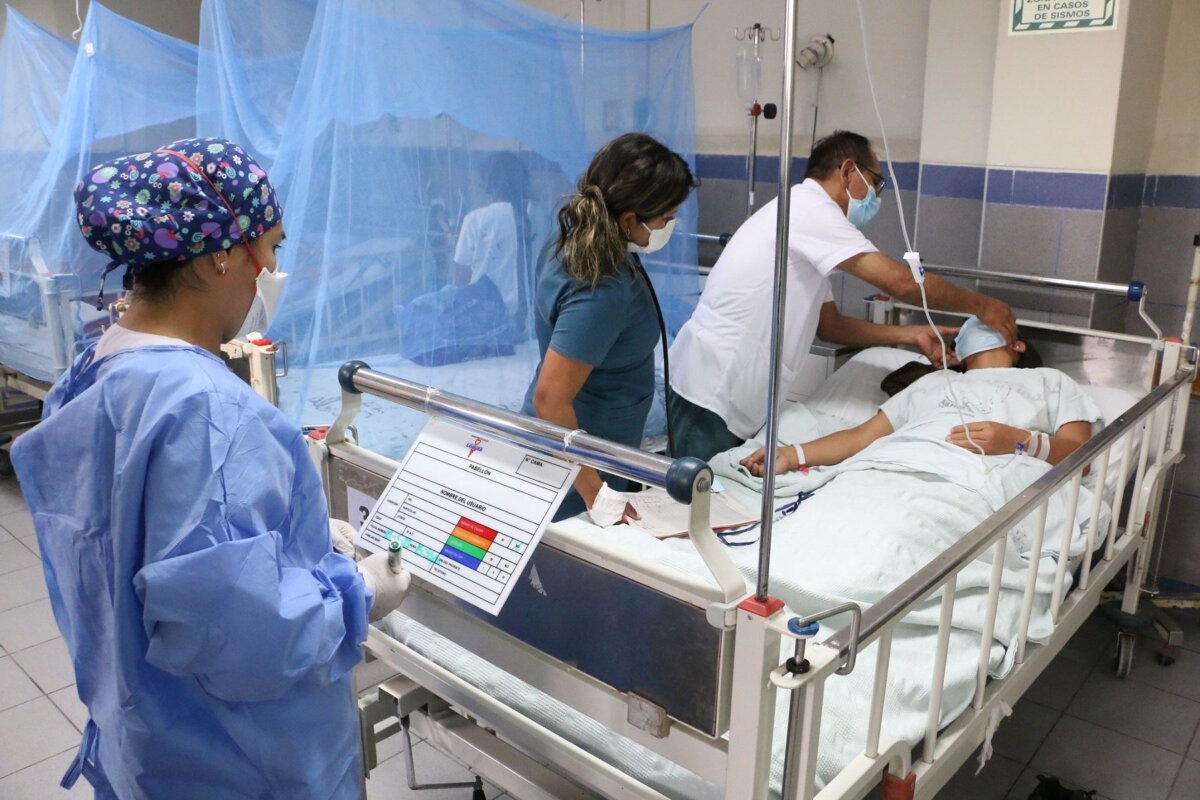
Hospitals and clinical surveillance units in affected areas have also been reinforcing preparedness to manage confirmed cases, particularly in regions experiencing increased hospital admissions. While most dengue infections are mild, severe forms of the disease can lead to complications requiring urgent medical care, making early diagnosis and monitoring essential.
The outbreak in Peru also occurs amid broader regional concerns over vector-borne diseases in Latin America, where dengue cases have risen in several countries in recent years. Public health experts continue to advocate integrated control strategies combining surveillance, environmental management and community engagement.
Researchers have long emphasised that dengue prevention depends not solely on emergency response but on sustained control measures. Urban sanitation, water management and public awareness remain central to reducing long-term transmission risk.
As Peru strengthens its response in Piura, the situation highlights the persistent challenge dengue poses in endemic areas and the importance of coordinated prevention strategies to protect vulnerable communities. With climate and urban factors continuing to influence transmission patterns, controlling the disease remains a major priority for regional public health systems.